
Community Events
Medicare Fraud Expert Warns Seniors About Scams at TRIAD Expo
A packed room of local seniors at the Front Royal/Warren County TRIAD Senior Expo listened closely as Shawn Smith, State Director of the Virginia Senior Medicare Patrol (SMP), delivered a sobering and engaging presentation on the rise in health care-related scams targeting older adults.
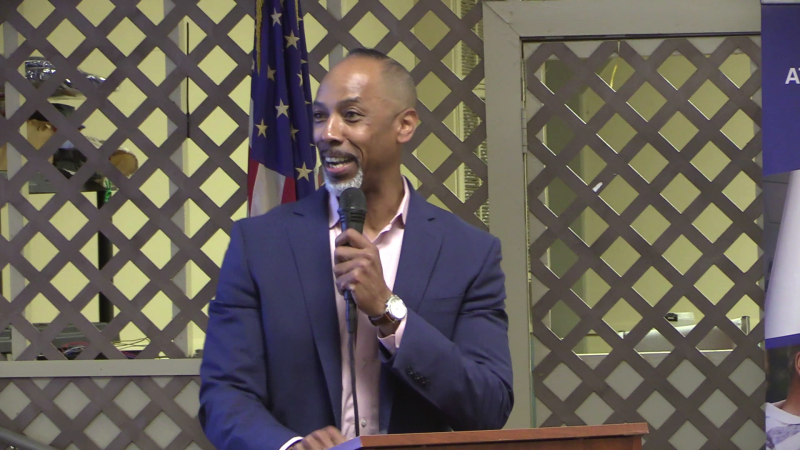
Shawn Smith, State Director of the Virginia Senior Medicare Patrol (SMP)
With a blend of practical advice and light humor, Smith guided attendees through the top three scams affecting Medicare beneficiaries: government impostors, durable medical equipment (DME) fraud, and genetic testing scams — all of which have cost Medicare billions of dollars annually.
“We know the government spends about $800 billion a year on Medicare,” said Smith. “But they lose $60 to $80 billion of that to fraud — and unfortunately, seniors are often the unknowing helpers.”
Common Scams: Familiar Voices, High Costs
One major red flag Smith highlighted: phone calls from people claiming to be from Medicare, offering “new” cards or “free” medical devices.
“Medicare is not issuing new cards. If someone says they’re from Medicare and asks for your number, hang up,” Smith warned. “That number is as valuable as your credit card. If scammers get it, they can bill Medicare in your name — and you may not find out until it’s too late.”
Smith explained that DME scams often start with a friendly phone call offering braces for joint pain. The problem? Seniors who say yes often receive boxes of unnecessary equipment, and Medicare is billed thousands of dollars for items that may never be used or are medically inappropriate.
Genetic testing scams, he said, are a newer trend. Seniors are told the test could help diagnose conditions that might affect their children or grandchildren. “Sounds helpful. But if Medicare doesn’t approve it, you could be left with a bill for $800 to $12,000, and law enforcement can’t help you if you signed the paperwork.”
Prevent, Detect, Report
Smith offered clear strategies for seniors to protect themselves:
- Don’t answer unsolicited phone calls — let them go to voicemail.
- Never disclose your Medicare number to anyone who calls unexpectedly.
- Be wary of offers for “free” equipment or tests — nothing is free when Medicare is involved.
- Check your Explanation of Benefits (EOB) or Medicare Summary Notices for suspicious charges.
“You check your bank statements, you check your credit card statements — you also need to check your Medicare statements,” Smith said. “If scammers bill Medicare for a wheelchair, and you actually need one later, you might be denied — because Medicare thinks you already got one.”
Help Is Available
Smith reminded attendees that the Senior Medicare Patrol offers free assistance through a 1-800 hotline, where trained staff can review documents, make calls on behalf of seniors, and report suspicious activity directly to Medicare and the Office of the Inspector General.
“We take your concerns seriously,” he said. “When you report scams, you’re not just helping yourself — you’re helping us build a case against fraudsters targeting seniors across the country.”
‘Don’t Talk to Strangers — Especially on the Phone’
Smith closed with a modern twist on timeless advice:
“My mom used to tell me, ‘Don’t talk to strangers and don’t take candy from strangers.’ Now I tell her — don’t take medical equipment from strangers, either.”
The crowd applauded the informative session, and many lingered afterward to ask questions or share their own experiences.
To report suspected Medicare fraud or get free help, contact the Virginia Senior Medicare Patrol at 1-800-938-8885 or visit www.virginiasmp.com.
Here is a similar presentation by Shawn Smith on medicare scams.

Working Part-Time After Retirement: For the Paycheck — and the Fun

Compressed Air Safety: Why 30 PSI Is the Limit for Cleaning

ORDER OF PUBLICATION: In the Circuit Court for Warren County, Virginia

Local NAACP Recalls Segregated Criser High/Elementary School During ‘Learn From the Past for a Better Future’ Event

Virginia Revenues Top Forecast, But Economic Concerns Remain

Governor Clarifies: Proposed Tax Changes Never Became Law

Driver Runs After Crash, Caught by Police Moments Later

Debate Continues Over Tax Rate as Supervisor Offers New Option

POLICE: 7 Day FRPD Arrest Report 4/13/2026

Spanberger Joins Other Governors in Push for PJM to Prioritize Ratepayer Protections

Cannabis Testing Challenges Persist as Virginia Retail Market Nears

Quick Quiz on Tooth Decay

The Fat Facts: Busting Common Food Myths

Importance of Chiles v. Salazar and the Protection of Free Speech

MAGA Suicide?

Warnick Posts Natural Hat Trick as Shenandoah Downs Opens Spring Meet

Youngkin Returns to Campaign Trail, Calls for Court to Strike Redistricting Vote

‘We Have To Do Something’: Former U.S. Attorney General Eric Holder Supports Virginia Redistricting

3 Ways to Extend the Life of Your Electric Vehicle Battery

Serious Charges Highlight Warren County Grand Jury Indictments

Ducks, Flowers, and Fun: Redbud Festival Returns to Browntown

Potato-Crust Quiche Makes a Lovely Brunch

Faye Barr Vance (1930 – 2026)

James Christopher “Chris” Sain (1948 – 2026)