
Health
November is National COPD Awareness Month
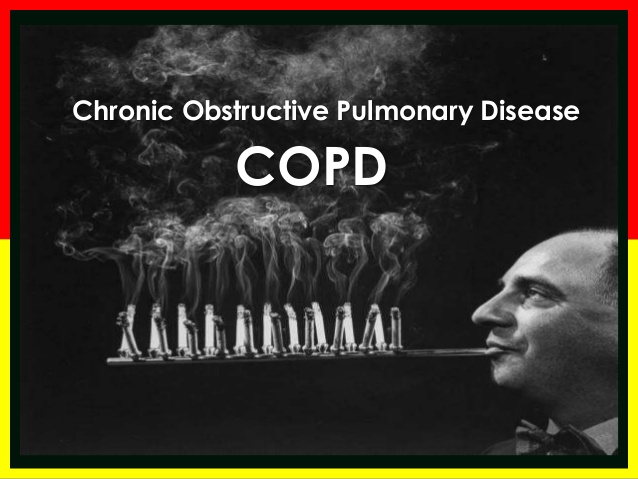 Chronic obstructive pulmonary disease is an inflammatory lung disease that constricts the airways and partially blocks the passage of air to and from your lungs.
It’s progressive and incurable and shortens your lifespan.
COPD is the third leading cause of death in the United States and a major cause of long-term disability. Over 120,000 lives end each year. More than 12 million people have been diagnosed with the disease, but far more than double that number remain undiagnosed.
You may be one of these statistics, if you smoke.

Most people who have COPD smoke cigarettes or used to smoke. This remains the leading cause and accounts for as many as nine out of ten COPD-related deaths. However, as many as one out of six never smoked, but breathed in the secondhand smoke of their spouse, a parent, or coworkers if their workplace allowed it before bans took place.
Women smokers are more vulnerable than men; their deaths are higher than in men and nearly 22 times higher compared to women who have never smoked.
Yes, the inhalation of pipe, cigar, and other types of tobacco smoke can also cause COPD, as can long-term exposure to air pollution, chemical fumes, or dust.
If you haven’t seen a doctor for years or mentioned your symptoms during an appointment for something you think is unrelated, it may help to recognized the signs of COPD. Do you have an ongoing cough that produces lots of mucus (smoker’s cough), wheezing when you breathe, shortness of breath when you do anything physical (climb a stairway, push a grocery cart to your car, carry in the groceries), or chest tightness?

Most people diagnosed with COPD have both emphysema and chronic bronchitis. In bronchitis, the lining of your airways is always irritated and inflamed and becomes thicker. Mucus sticks in the airways and makes it harder to breathe. In emphysema, the walls between air sacs in your lungs are damaged so the sacs lose their shape, become floppy and enlarge and this causes fewer air sacs instead of many tiny ones.
Use the entire month of November to talk about COPD. See your doctor if you recognize symptoms in yourself or a loved one. The best way to prevent COPD is to not start smoking or to quit smoking now.




Why Wait Till November? Mid-Term Election Early Voting Processes in Place Now

US Senate Leaves Nation’s Capital in Advance of Midterms With Much Still Undone

Business Growth Series: If You Don’t Control Your Day, It Controls Your Business

The End of a 20-Year Monopoly on the Credit Score

Voltron and Immigration

States OK Solar Panels for Balconies. Safety Guidelines Haven’t Caught Up

Trump TV Ads Paid for with $20M in Homeland Security Funds, Dems Find

Blue Ridge Wildlife Center Patient of the Week: Gray Treefrog

Birthday Twins: See Which Famous Face Shares Your Big Day

Meet-and-Greet Set Sunday for Republican-Endorsed Front Royal Candidates

Barbara Ann Mathews Smelser (1943 – 2026)

Kathleen Frances Elar (1956 – 2026)

Happy Creek Crossing to Hold Vendor Interest Meeting Oct. 8 in Front Royal

If the Car Name Fits, Drive It

Front Royal Begins Smoke Testing Sewer System; Residents May See Smoke Around Homes

Trump Orders Federal Agencies to Replace ‘Artificial Intelligence’ With ‘Super Intelligence’

Town-Wide Weed Spraying Underway in Front Royal Through Oct. 6

Southbound I-81 Lane Closure Near Strasburg Expected to Cause Significant Weekend Delays

Virginia Democrats Warn More Healthcare Strains Loom After November Election

Legislation to Force Virginia Traffic Camera Fine Payments Will Make ‘Nightmarish’ Court Workloads

CDC’s Latest Youth Behavior Report Offers a Narrower Look at Teen Health

News Organizations Banned from White House Accuse Trump of First Amendment Violation

Virginia Education Board Approves New Rules for Local Student Assessments

FCC Halts Automatic Approval of Verizon Plan to End Legacy Landline Service in Virginia
