
Opinion
The Reviews are in: Virginians applaud Governor McAuliffe’s action to reduce carbon emissions
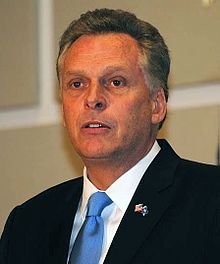 RICHMOND – Since announcing his executive action directing the Department of Environmental Quality to develop a new, first-of-its-kind in Virginia, regulation to reduce carbon dioxide emissions from Virginia’s power plants, Governor McAuliffe has received an outpouring of support from Virginians across the Commonwealth. Below is a round up from publications applauding the Governor’s efforts to protect the Commonwealth’s assets and to capitalize on the growing renewable industry:
Is cleaner energy Virginia’s future?
Bristol Herald Courier
Obviously, an initial question over job creation will more or less determine public opinion in our economically depressed region. The construction of the Atlantic Coast Pipeline alone is projected to introduce over 17,000 jobs. Electricity generation from nonhydroelectric renewables also presents untapped potential for us, considering the state currently ranks 20th in the nation for the availability of solar jobs.
Clean energy investment would also make Virginia more self-reliant. The EIA reported that Virginia used more electricity than it generated, and after natural gas and gasoline, interstate electricity was the third highest source of energy in 2014. In other words, the state had to buy and import energy from other states to meet our electrical demands.
Indeed, energy development in Virginia opens a door to opportunity that we shouldn’t ignore. Clean, green energy might just put us back on the map.
Editorial: McAuliffe presses for clean energy
The Free-Lance Star
The governor’s action last week stands in sharp contrast with President Donald Trump’s executive orders to roll back the Clean Power Plan and other regulations instituted by former President Barack Obama, and by appointing Cabinet members who will redirect their departments’ priorities away from climate change action.
McAuliffe says he thinks time is of the essence given, in particular, the impact that rising sea levels are already having on Hampton Roads and its many military installations. He understands the crucial economic importance of that military presence, and what it would mean if it departed for higher ground in another state.
For leaders such as Gov. McAuliffe, who promote jobs and economic development, these are good reasons to embrace the opportunities that cleaner, renewable energy can offer to Virginia.
Thankfully, Virginia and D.C. are taking climate policy into their own hands
The Washington Post
Economists have known how to do this for decades: Put a steadily rising price on carbon emissions. Consumers and businesses would respond over time by wasting less energy and favoring low-carbon products and services. Private economic activity would naturally sort out how much to rely on renewables, energy efficiency and other emissions-cutting measures, maximizing freedom, minimizing costs and cutting greenhouse gases.
Virginia Gov. Terry McAuliffe (D) embraced this approach, announcing this month that his administration will seek to price the state’s emissions by placing a cap on them and demanding that utilities turn in permits in order to emit greenhouse gases under that cap. The permits would be buyable and sellable, creating an effective price on carbon pollution. Better yet, the governor would seek to link Virginia’s program with carbon-trading markets in other states, creating a larger and more efficient market for permits.
Energy order will foster local growth
Column by: Larry Cummings | District Marketing and Strategic Partnerships Leader for Virginia Trane – Bristol Herald Courier
Programs like VirginiaSAVES and initiatives like Clean Energy Virginia are why I am proud of this Governor. He is committed to improving the economy and the environment in Southwest Virginia by attracting and growing new industries to the region and the state.
What is needed in Southwest Virginia is a meaningful plan for economic strength and a leader who is willing to work for the citizens to make it a reality.
Governor McAuliffe has that plan and works every day to make it a reality.
Obama’s Clean Power Plan Might Be Dead In D.C., But States Are Rebuilding It Themselves
Fast Company
Following his signing of the Virginia executive directive, McAuliffe told the Associated Press that “the news out of this White House is alarming,” adding that “the citizens of our commonwealth want and expect us to confront this issue.”
But as Fast Company has written before, the emissions reductions laid out under the Clean Power Plan are already underway, and the directive from Virginia, says Jordan Stutt, a policy analyst at the clean-energy research nonprofit Acadia Center, “is the first domino in what will be a series of states moving to adopt clean energy policies.”
In issuing the directive to Virginia’s DEQ, McAuliffe instructed that his state’s proposal to limit energy-sector emissions should fall in line with those already in place across the country, and is looking specifically to California and a coalition of nine East Coast states united under the Regional Greenhouse Gas Initiative (RGGI), both of which have successfully implemented cap-and-trade policies to curb carbon dioxide emissions. Stutt says that while cap-and-trade policy implementation has been slow to spread beyond California and the RGGI (pronounced “Reggie”) states, and now Virginia, “the conversation is getting louder.” Following Obama’s introduction of the Clean Power Plan two years ago, “the whole country began preparing to comply with the standards, and most states were looking at how a RGGI model–a cap-and-trade model–might work in their state,” Stutt says.

From Crime Scenes to K9 Units: Citizens Academy Opens in May

Weekly Yard Waste Pickup Begins April 8 in Front Royal

Town Council Reviews Goals at Retreat in Advance of Work Session

New Virginia Laws Target School Construction and Classroom Cellphone Use

Clear Horizons Brings Fresh Approach to Mental Health

Funding Cuts, State Error Strain Virginia’s HIV Care System

Virginia Hospitals Filed More Than 1 Million Medical Debt Lawsuits Since 2010, a New Report Finds

Spanberger Signs Bipartisan Bills Tied to Billions in Business Investment Across Virginia

Birthright Case Forces US Supreme Court to Confront Prospect of Americans Losing Citizenship

Caleb Benton McKinstry (2010 – 2026)

Ideas for Nurturing — or Rediscovering — Your Inner Child

Protein Takes Center Stage in Updated U.S. Dietary Guidelines

Blue Ridge Wildlife Center Acknowledges a Quarter of a Century of Work in Wildlife Preservation & Human Education

What Does A ‘Fair Share’ Really Mean?

South Warren Ruritan Club Hosts 20th Annual Spaghetti Dinner Fuels Scholarships for Local Teens

Trees Take Root as Virginia’s Frontline Defense Against Urban Heat

Virginia Set to Rejoin RGGI as Utilities Prepare to Pass the Cost Back to Ratepayers

Virginia Joins Multi-State Lawsuit Challenging Trump’s Election Order

Trump Budget Seeks 43% Boost in Defense Spending, Cuts in Many Domestic Programs

Virginia Sees 33,000 ACA Enrollment Drop Since Subsidies Expired, More Likely on the Way

Annual Dental Checkups and Cleanings: Essential Appointments

4 Stimulating Activities for a Healthy Brain After 50
The First Amendment: America’s Unique Foundation of Freedom

How to Tackle Credit Card Debt
