
Local News
UPDATE: Front Royal poised to join National Park fee hike critics
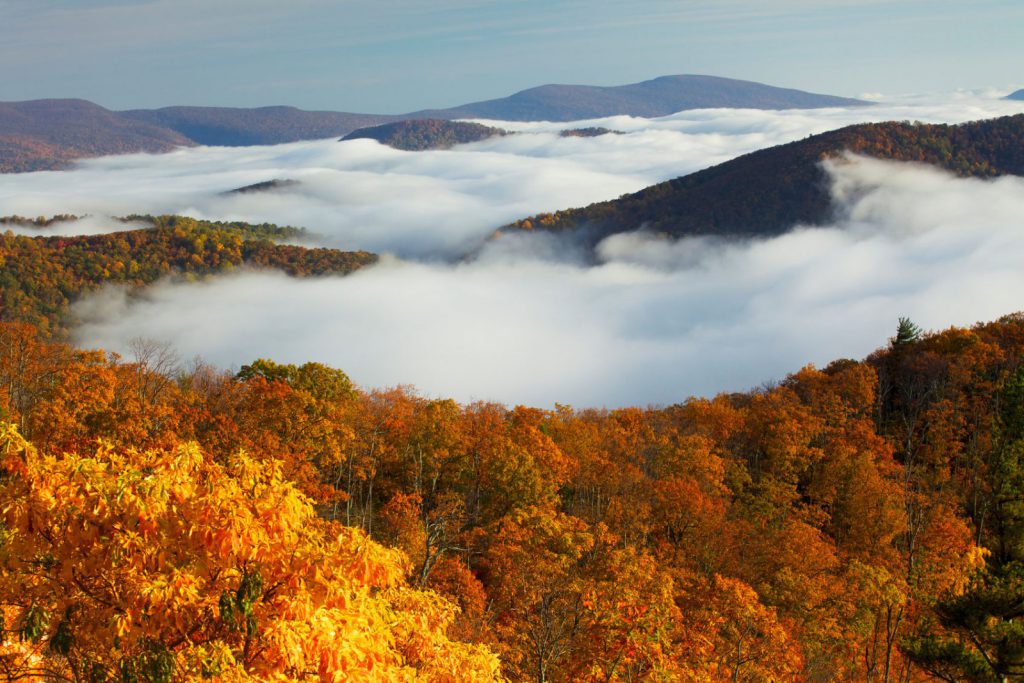
Shenandoah National Park – reaching it affordably in the future is getting a little cloudy … Photos National Park Service
A Trump Administration plan to raise weekly entrance fees in 17 national parks, including Shenandoah National Park, by 150 to 200-percent is drawing a cloud of criticism from at least one national park watchdog group, as well as Virginia Senators Mark Warner and Tim Kaine.
Following work session discussion on Monday, November 6, it appears the Front Royal Town Council is poised to join in that criticism. A vote on a resolution critical of the proposed fee increase’s potential negative impact on Shenandoah National Park visitation was placed on the agenda of the November 13 council meeting.
That resolution cites the large percentage of park visitors who also stop at the town visitor center. While there, the resolution points out of the 116,000 vehicles entering Shenandoah National Park at Front Royal’s “Mile 0” north entrance in 2016, they are informed of amenities the town has to offer in the way of dining, shopping and overnight stays.
“… the proposed significant increase in entrance fees during the peak season for visitors to Shenandoah National Park could jeopardize tourism and much anticipated revenue to the Town of Front Royal,” the resolution states in alerting the National Park Service of the mayor and council’s concern over the proposal.
We asked Town Attorney Doug Napier about his perception of the fee hike proposal. Napier questioned both the logic and impact of the plan. He observed that while Shenandoah National Park is one of 17 parks targeted for huge fee increases, Great Smokey Mountain National Park one state to our south is not. And that North Carolina park gets even more visitors than Shenandoah, the town attorney observed.
“There’s no logic to it – and it’s mean, it’s just mean spirited,” Napier said, adding, “National parks are places where relatively non-affluent people can get away to wonderful destinations … And a lot of those trips are for one day – how many people can afford $70 just to get into the park for one day; or if they do pay the fee what does that leave them to spend for a meal or souvenir they might buy in town?” As illustrated in the chart below, at Shenandoah the proposal would raise the weekly pass, which is for 1 to 7 days, for vehicles from $25 to $70.
According to the Trump Administration, which is charged with administering the National Park Service (NPS) through the Department of the Interior, the fee hikes will serve to address an $11.3 billion maintenance backlog. However, as National Parks Conservation Association President and CEO Theresa Pierno, Warner and Kaine point out, the plan places undue responsibility for infrastructure improvements on the shoulder of those who visit national parks.
“We should not increase fees to such a degree as to make these places – protected for all Americans to experience – unaffordable for some families to visit,” Pierno said of the plan.
Pierno pointed to the Trump Administration’s budget proposal that includes a major cut to the National Park Service. “The solution to our parks’ repair needs cannot and should not be largely shouldered by its visitors. The administration just proposed a major cut to the National Park Service budget even as parks struggle with billions of dollars in needed repairs. If the administration wants to support national parks, it needs to walk the walk and work with Congress to address the maintenance backlog,” she said in a release.
Senators Warner and Kaine, both former governors of the commonwealth, issued a statement stating, “These fee increases, many of which are two-to-three times that of current levels, could price out many of our constituents and other individuals and families across the country from visiting these national treasures …we do not believe that shifting the burden to our park visitors in the form of significant fee increases is an appropriate or practical way to reduce the deferred maintenance backlog.”
Parks targeted in the fee hike proposal include Shenandoah, Yellowstone, Yosemite, Arches, Glacier, Grand Teton, and Rocky Mountain.
Current passes at Shenandoah National Park (SNP) are priced:
- Weekly (which serves one to seven days):
- $25 vehicle (private);
- $20 motorcycle;
- $10 bike or walking;
- Annual, $50;
- Lifetime (62 or older), $80.
At other parks the current 7-day entrance fees vary from $30 at Yellowstone and Yosemite; $25 at Glacier and as little as $10 at Arches National Park.
Proposed fees during peak season at the selected parks are:
- Weekly passes:
- $70 vehicle (private) (180% increase at SNP);
- $50 motorcycle (150% hike at SNP);
- $30 bike or walking (200% hike at SNP);
- Annual pass $75 (50% hike at SNP).
Warner and Kaine pointed to alternative bipartisan legislation introduced earlier this year as a counter-solution to deal with the long-time national park maintenance backlog, as stated above now estimated at $11.3 billion.
“The National Park Service Legacy Act would help eradicate the maintenance backlog at the Park Service by directing existing revenues from mineral royalties toward high-priority deferred maintenance needs of the National Park Service, including investing in critical NPS infrastructure like Arlington Memorial Bridge.
“This bipartisan legislation would help repair and restore the aging and deteriorating infrastructure of our national parks and ensure that these treasure are preserved for future generations to enjoy. It would allow the Park Service to reduce its maintenance backlog without having to significantly increase the cost of admittance for visitors of our national parks,” Virginia’s senators said.
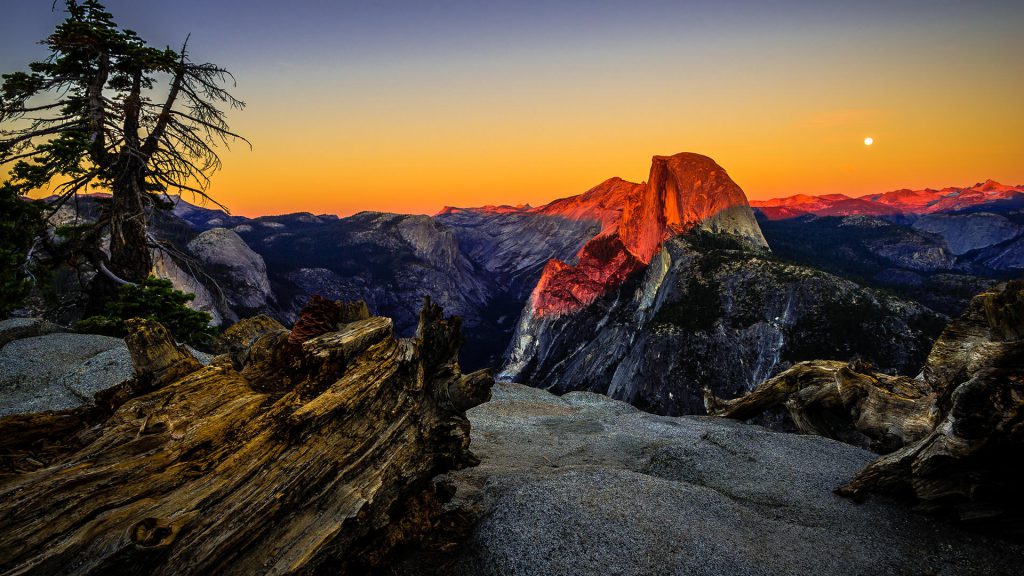
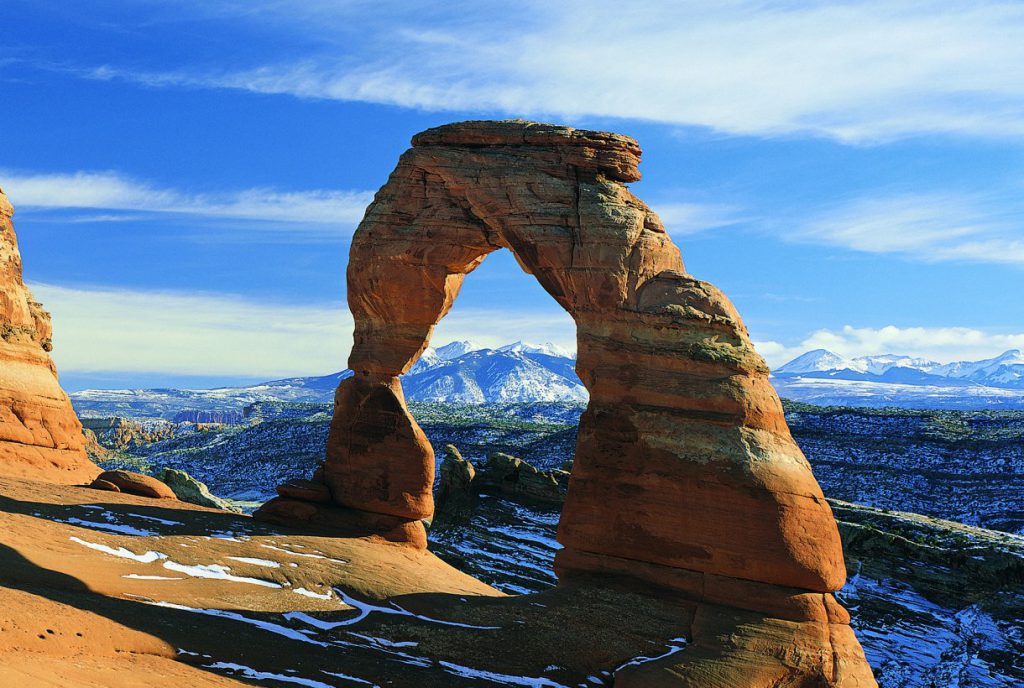
Above, Yosemite National Park; below, Arches
If the Trump budget cuts and new fee structure for the national park system are approved, Trump Secretary of the Interior Ryan Zinke would oversee implementation. As a Montana delegate to the U.S. House of Representatives, Zinke was known for his support of the transfer of federal lands to individual states, as well as opposition to many environmental regulations. Under state control, individual state legislatures would have further authority to disperse former federal land into the private sector for profit-generating endeavors.
One is left to wonder at the endgame of the proposed National Park System restoration plan – budget cuts and user fee hikes. One might ask if that endgame is designed to fix a maintenance backlog or begin a dismantling of the National Park System.
Right man for the job?
Interior Secretary Zinke recently found himself at the center of controversy over a $300-million contract granted to Montana company Whitefish Energy Holdings on October 19. That contract for the restoration of power lines in Puerto Rico in the wake of Hurricane Maria’s devastation of that island’s infrastructure was given to a two-year-old company based in Zinke’s hometown of Whitefish, Montana.
Not to worry, right? – Other than according to multiple media sources, including Fox News, it is a company that had just two full-time employees when Maria hit Puerto Rico on September 20.
Zinke has denied exerting any influence in the contract, awarded by the Puerto Rico Electric Power Authority (Prepa). The interior secretary released a statement denying his or anyone in his office’s advocacy for the company, adding of one e-mail he received from Whitefish Energy after the contract was awarded, “I received a single email from the company, on which I took no action.”
However, there was a bipartisan call for an investigation into the contract once details emerged. On October 29, just hours after Puerto Rico’s Governor Ricardo Rosselló, initially a defender of the Whitefish contract, called for its cancellation, it was after 10 days of intense scrutiny, cancelled.
In covering that cancellation The New York Times noted that, “… government officials in Washington and San Juan have argued over how a company from Whitefish, Montana, with connections to the secretary of the interior but only two full-time employees secured an emergency contract that requires the work of thousands of people …”
Maria hit Puerto Rico – an island surrounded by lots of water as President Trump has pointed out in explaining delays in federal assistance to the American territory – on September 20 as a Category 4 hurricane. Maria’s direct hit knocked out electricity to the entire island. Six weeks later less than a third of the island has power restored.
Whitefish had contracted outside workers for the job and according to The Wall Street Journal had put about 300 people on the island in an effort to accomplish the power grid restoration. The company expressed disappointment at the cancellation of its contract.
However, that contract remains the focus of bipartisan federal scrutiny. Bloomberg News reported that on October 31 (trick or treat) FEMA Administrator Brock Long testified to the Senate Committee on Homeland Security & Governmental Affairs that his agency “didn’t know about a $300 million no-bid contract to rebuild Puerto Rico’s electrical grid until after it was awarded, and likely wouldn’t have approved it.”
Long also told the Senate committee, “There’s no lawyer inside FEMA that would have ever agreed to the language that was in that contract.”
Bipartisan investigations, hmm – maybe we can get a bipartisan investigation of this National Park System fee structure and budget cut plan …
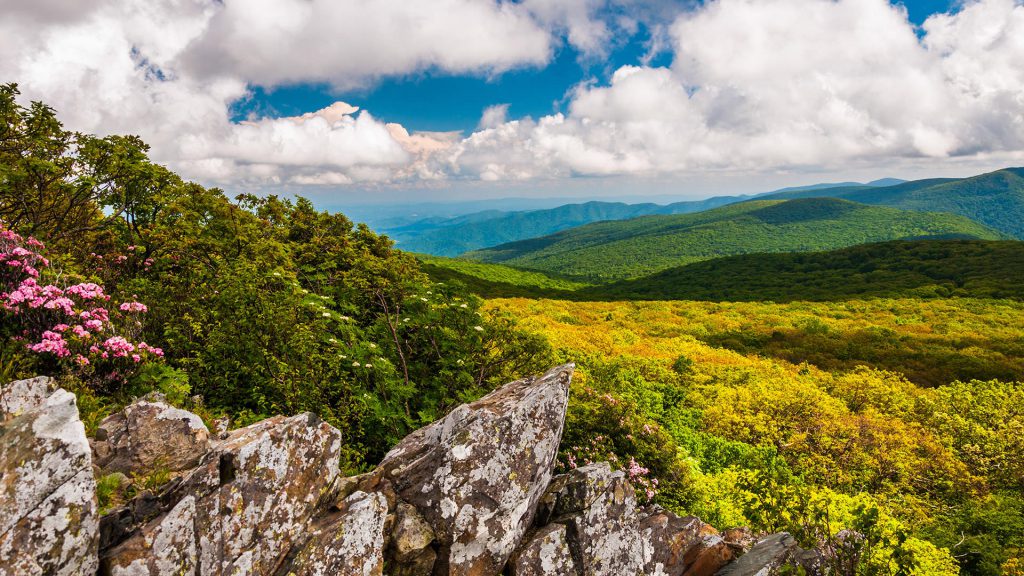
Shenandoah National Park – Hey, at least it’s not ‘surrounded by water, lots of water’ – Well, there is that river down there somewhere …

Assistant Chief and Fire Marshal Gerry Maiatico Highlights Staffing Needs and Volunteer Opportunities

Data Center Bills Dominated This Year’s General Assembly. Here’s What Passed.

Housing Bills to Boost Supply, Protect Tenants On The Way to Spanberger’s Desk

4 Ideas for Keeping Fit While Babysitting Your Grandchildren

Do You Know Your Grains?

Tips for Staying Safe Around Unfamiliar Dogs

Skyline FFA Students Promote Agriculture at South River Community Forum

Warren Coalition Works to Build Resilience and Prevent Substance Abuse

Warner Files for Reelection, Launching Bid for Fourth U.S. Senate Term

Registrar Urges Residents to Stay Informed and Participate in Upcoming Elections

South River Forum Brings Residents and Leaders Together at Skyline

CHEO Garden Expands Mission of Food, Learning and Community

Sharing a Room: How to Avoid Sibling Conflicts

Laurel Ridge to Host Week of the Young Child Art Exhibit

Free $1,000 ‘Trump Accounts’ Draw 1 Million Families

‘The Revenant: A Novel of Revenge’

Virginia Lawmakers Close 2026 Session With Focus on Lowering Costs

The 10 Most Important Things That Happened in Virginia’s 2026 Legislative Session

Electric Vehicle Market Adjusts as Industry Rethinks the Road Ahead

Cultures Around the World Mark the Spring Equinox With Unique Traditions

Laurel Ridge to Host 46th Annual Spring Follies: “Back to the ’90s”

Love Revival to Host Free Community Easter Celebration in Front Royal

Salvation Army of Front Royal Plans Annual Dinner and Raffle Fundraiser

Stephen Paul Sill (1955 – 2026)
