
Local News
Unlicensed, ignorant hunters poison environment with lead ammo
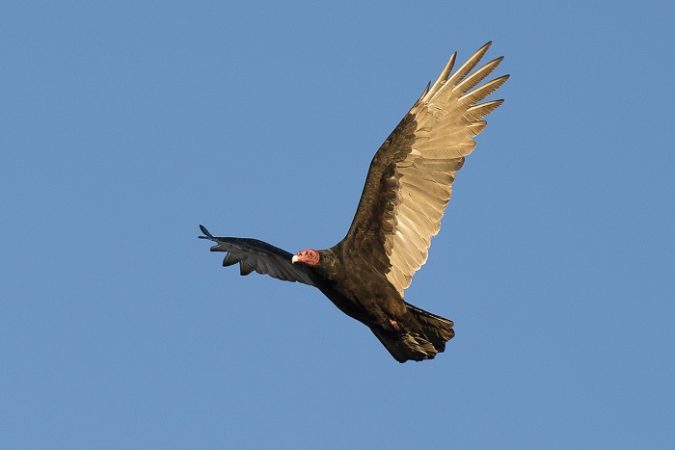
Lead ammunition most often used by illegal hunters has brought a dramatic spike in wildlife injuries locally, spiraling into the destruction of prey animals which feed on the carcasses of lead-infected hunter victims, like hawks and vultures.
According to Dr. Jennifer Riley, who treats up to 2,000 mostly indigenous animals a year at the Blue Ridge Wildlife Center (BRWC) in Boyce, the number of animals – hawks, falcons, eagles, for example – taken in to date with gunshot wounds have increased ten-fold over any previous years.
In an article in “Wildlife News,” the BRWC newsletter, Riley recommends among other things against the use of lead ammunition – there is an alternative, though slightly more expensive – which ultimately leads to poisoning the environment. Scavengers prey on shot animals, ingesting poisonous lead and themselves dying horrible deaths from lead toxicity.
“To be clear,” Riley wrote, “we do not believe that licensed hunters are the cause of our increased illegal gunshot cases. Licensed hunters are frequently ardent conservationists and closely follow hunting regulations.
“They know better than to risk their license by shooting game animals out of season, or by hunting animals that are never legal to shoot at any time. We suspect that the illegal shooting issue is caused by individuals who are not licensed and do not know the laws. We would encourage law-abiding hunters and all wildlife lovers to report these wildlife crimes.”
In Virginia, the Department of Game and Inland Fisheries (DGIF) regulates hunting and enforces the associated regulations, Riley advises. On its website, DGIF admonishes: “Don’t allow the actions of a few outlaws to tarnish the reputation of Virginia’s sportsmen and sportswomen!”
Despite the above, wildlife gunshot victims have fluctuated from 7% to 12% above previous years and due to the severity of gunshot wounds, less than 15% of the victims will ever be released back into the wild, or even survive.
Which led this wildlife veterinarian to mention three of her concerns when thinking about shot wildlife:
- Criminality. The majority of the animals were shot illegally.
- Cruelty. The animals… were dying slowly with horrific,painful wounds… before being delivered to the center.
- Non-target effect. The overwhelming majority of the animals are being shot with lead ammunition. This means that had the animal not been delivered to BRWC for care, scavengers would have found it, ingested it, and died a horrible death from lead toxicity.
Riley poses the question: Why are these animals being shot? In many cases, the hawks that are shot are Red-Tailed or Cooper’s Hawks, two species that will kill unprotected chickens.
“Though we love the thought of chickens wandering freely over rolling pastures, they must be protected by their owners to prevent attacks from raptors and other wildlife.” She points out also that if a hawk attacks a chicken, it is nevertheless illegal to shoot the hawk!
It turns out that the familiar Black and Turkey vultures that keep our roads and byways somewhat free of decaying wildlife – they commonly appear to get to the dead animal before the county – are the most commonly shot species, despite providing a community service. Also, however, they are often accused of killing livestock such as lambs, kids and calves. Mostly, however, they are scavengers and rarely kill for food.
Neighborhood residents who commonly attempt to relocate nuisance animals (ground hogs, for example) should be aware that relocating is illegal in Virginia as it often causes starvation and death of the relocated animal. “Encouraging the animals to move on naturally is the preferred method,” Riley wrote.
How to help?
- Report wildlife crimes to the appropriate wildlife agency. In Virginia call 1-800-237-5712 or email WildCrime@dgif.virginia.gov
- Switch to non-lead ammunition (and fishing tackle).
- Bury carcass remains.
Riley concludes: “We hope our alarming rates of gunshot victims and lead toxicity decrease over time but this will only be possible if humans change the way we (they) are treating the environment. Lead has long been accepted as a dangerous material… sadly, we’ve been slow to make the changes to protect our wildlife. If you use lead ammunition, please consider making the change today… please familiarize yourself with the laws and contact BRWC to discuss other options (540-837-9000) before resorting to lethal methods.”

South Warren Ruritan Club Hosts 20th Annual Spaghetti Dinner Fuels Scholarships for Local Teens

Trees Take Root as Virginia’s Frontline Defense Against Urban Heat

Virginia Set to Rejoin RGGI as Utilities Prepare to Pass the Cost Back to Ratepayers

Virginia Joins Multi-State Lawsuit Challenging Trump’s Election Order

Trump Budget Seeks 43% Boost in Defense Spending, Cuts in Many Domestic Programs

Virginia Sees 33,000 ACA Enrollment Drop Since Subsidies Expired, More Likely on the Way

Annual Dental Checkups and Cleanings: Essential Appointments

4 Stimulating Activities for a Healthy Brain After 50

The First Amendment: America’s Unique Foundation of Freedom

How to Tackle Credit Card Debt

Summer Enrichment Camp Gives Teens Hands-On Learning Opportunities

VDOT: Warren County Traffic Alert for April 6 – 10, 2026

David Silek to Remain in Chairman’s Seat of WC Republican Committee Pending 6th District Appeal Decision

Sales Set to Bloom Like Daffodils This Spring

America 250: The Bookseller Who Helped Save the Revolution

Business Growth Series: Why Good Businesses Still Struggle to Grow

Brownies with Mini Chocolate Easter Eggs

Shenandoah Downs Opens 11th Season April 11 with Tribute to Roger Hammer

We Don’t Know Everything About DNA

How PAAS Came to Dominate the Easter Egg Dye Tradition

Spanberger Signs Bipartisan School-Safety, Student Support Bills Into Law

Melanie J. Pomeroy (1958 – 2026)

David Benjamin Heller (1990 – 2026)
1776 Wasn’t Just About Independence
