
Local News
Wildlife Center Marks 20th Anniversary, Admits Its 35,000th Patient!
Blue Ridge Wildlife Center’s hospital in Boyce, in its 2023 annual report, notes a sharp increase in patients last year – 3,645 – and a substantial increase in staff to care for them.
Mammals, including opossums, cottontails, grey squirrels, foxes, bats, raccoons and others, accounted for almost 46% of hospital treatments, closely followed by 42% of birds – raptors, songbirds, doves, waterbirds and game birds. Another almost 13% of reptiles and amphibians including 337 turtles and almost 100 snakes received medical and other treatments. Similar to previous years, those mammals, birds, and reptiles had a survival rate of 72%.
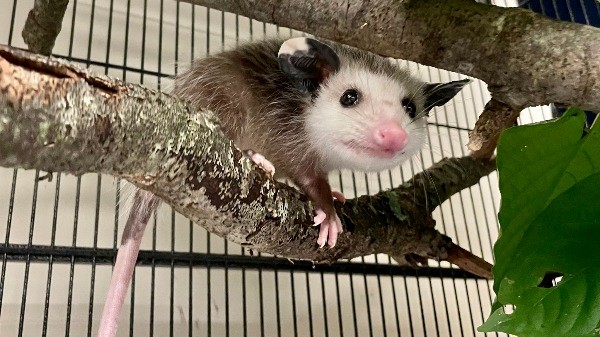
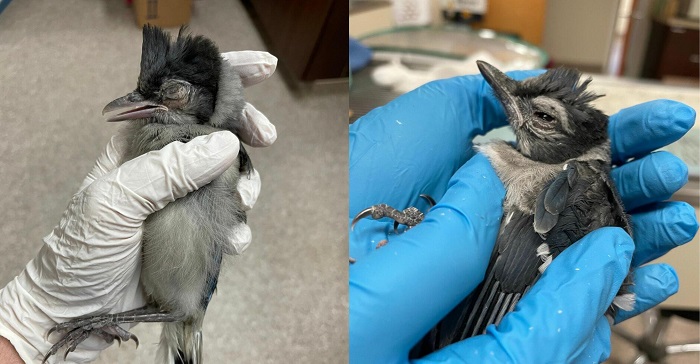
An Opposum peaking, and below a Blue Jay on the mend. – File Courtesy Photos Blue Ridge Wildlife Center
Animals came into the Clarke County hospital from some 47 counties and towns with May being the busiest month last year, admitting 656 patients, a representative report on one treated animal per week being featured in the Royal Examiner. Those animals that cannot be released back into the wilderness due to their injuries are kept at the shelter for display and most are dubbed “ambassadors” and help with educational programs presented by shelter personnel.
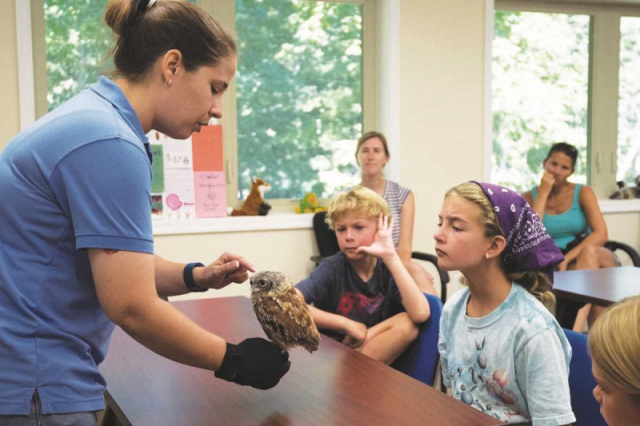
Education is a big part of the Blue Ridge Wildlife Center – here, Heather Sparks shows young visitors an Eastern Screech Owl.
Commented Wildlife Center Executive Director Annie Bradfield: “It’s amazing to reflect on the journey that began with a wildlife hotline in 2000, now transformed into a pivotal force for positive change in wildlife conservation.”
Blue Ridge Wildlife Center receives no local or any other governmental funding, relying on public contributions amounting last year to $2.5 million with expenses totaling just over $1 million. Bradfield reported adding five new staff members to her hospital team, not including a second full-time veterinarian who joined the staff earlier. In addition, 13 volunteer rehabilitation interns and 14 veterinary “externs” contributed more than 8,000 hours, mainly during the busy “baby season” from April through August. Another 7,000 free hours came from a clutch of 45 volunteers who assisted in the wildlife hospital and education department.

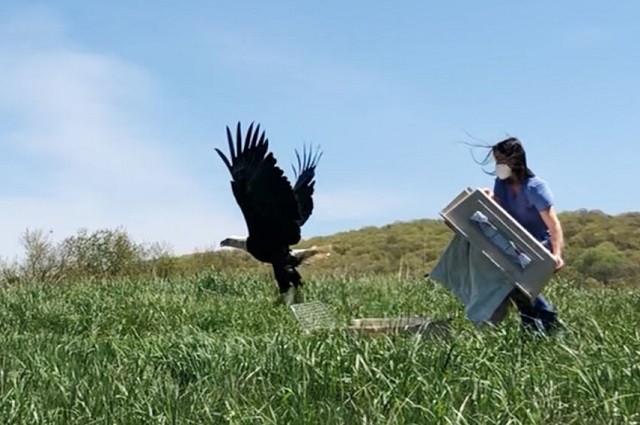
A Red-Shouldered Hawk peers at freedom after mending at the Blue Ridge Wildlife Center. As soon as this hawk gets its bearings, it’s likely to imitate the recuperated Eagle below, heading back to its home skies and grounds. – 3a BRWC Courtesy Photo/Zep Greenfelder
The team saw 160 species of wildlife, 12 of which were native species seen for the first time at the Boyce facility. These 12 included three Eastern Wormsnakes, a Northern Parula bird, a Gadwell Wintering Duck, a blue-gray Gnatcatcher, a Night Heron and a Northern Cricket Frog.
Bradfield encouraged persons interested in Virginia’s wildlife to “get involved” by volunteering for various jobs ranging from animal care, administration, maintenance and education. For this, go to blueridgewildlifectr.org
“As a non-profit organization, volunteers are the lifeblood of our hospital,” Bradfield remarked. “They allow us to extend our limited resources, help feed babies every 15-30 minutes to every two hours or more, keep our enclosures clean and safe for new patients, help get our recovered patients “back home” (to their original habitat), and so much more,” Bradfield said in the report.
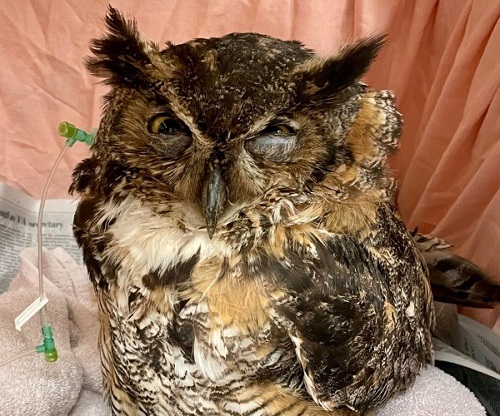
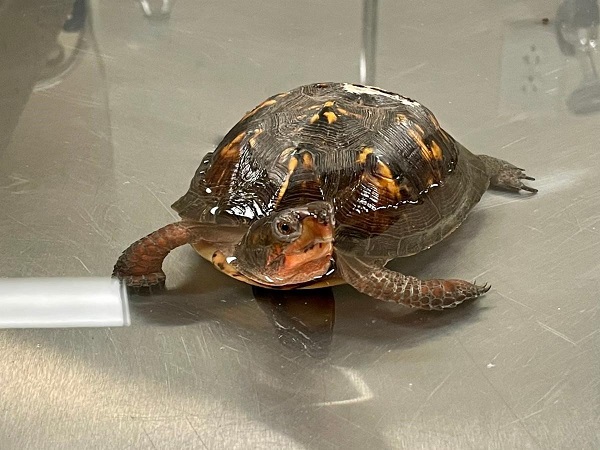
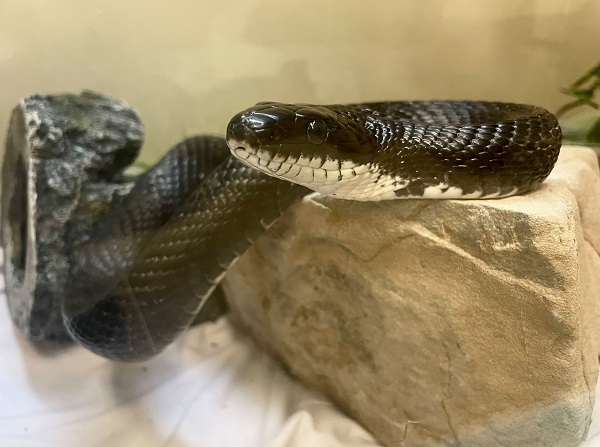
Other patients on the mend over the course of the year included a Great Horned Owl, a Woodland Box Turtle, and a grateful Rat Snake.

‘The Revenant: A Novel of Revenge’

Virginia Lawmakers Close 2026 Session With Focus on Lowering Costs

The 10 Most Important Things That Happened in Virginia’s 2026 Legislative Session

Electric Vehicle Market Adjusts as Industry Rethinks the Road Ahead

Cultures Around the World Mark the Spring Equinox With Unique Traditions

Laurel Ridge to Host 46th Annual Spring Follies: “Back to the ’90s”

Love Revival to Host Free Community Easter Celebration in Front Royal

Salvation Army of Front Royal Plans Annual Dinner and Raffle Fundraiser

Stephen Paul Sill (1955 – 2026)

Virginia Seeks Public Input for 2026 Statewide Rail Plan

Front Royal Craftsmen Revive Centuries-Old Timber Framing Tradition

VDOT: Warren County Traffic Alert for March 16 – 20, 2026

Virginia Lawmakers End Session Without Final Budget

Your Personal Mission Statement: A Guide to Getting What You Want Out of Life
Disappointed In Our Olympic Spirit

How St. Patrick’s Day Became America’s Biggest Irish Party

Virginia State Police Urge Sober Plans for Saint Patrick’s Day Celebrations

In a One-Party County, Internal Party Decisions Affect Us All

Virginia State Police Seize Nearly 100 Pounds of Narcotics, Recover Firearms in Weekly Crime Suppression Effort

Barton Charles “Bart” Haller (1940 – 2026)

Dawn Lee Dodson (1970 – 2026)

Mary Helen “Nanny” Spires Johnt (1954 – 2026)

Another Round of ‘Momnibus’ Bills Are Headed Towards the Governor This Year

Virginia Joins States Challenging Trump Admin Regulations That Limit Free Birth Control Access
