
Automotive
A history of roads in Virginia: Persistent pressures on the infrastructure

Smart traffic centers play a major role in managing congestion and incidents on highways.
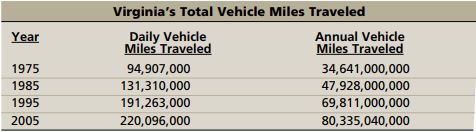
Relentless pressures mounted on the transportation system in the new century. Motorists’ use of Virginia highways continued to grow rapidly — from 165 million miles traveled daily in 1990 to 220 million by 2005, an increase of 33 percent. Traffic congestion intensified accordingly. Virginia’s transportation infrastructure also was aging, needing repairs and sometimes reconstruction. Because funding for improvements and maintenance was stretched thin, innovative measures were taken to get more out of the network and the dollars appropriated for it.
There also was a new emphasis on operating highways more efficiently, moving traffic smoothly and clearing up traffic incidents swiftly. Smart traffic centers were built in Staunton and Salem similar to those in Northern Virginia, Hampton Roads and metroRichmond. The state also was divided into five operational regions in which traffic controllers and engineers facilitated traffic flow along major corridors. For motorists who called 511 or visited the Internet site at 511va.org, real-time traffic information was available, enabling them to modify travel plans and avoid backups. And by 2005, motorists with Smart Tag or E-ZPass transponders could travel seamlessly along the East Coast without having to stop to pay tolls.

Registrar Urges Residents to Stay Informed and Participate in Upcoming Elections

South River Forum Brings Residents and Leaders Together at Skyline

CHEO Garden Expands Mission of Food, Learning and Community

Sharing a Room: How to Avoid Sibling Conflicts

Laurel Ridge to Host Week of the Young Child Art Exhibit

Free $1,000 ‘Trump Accounts’ Draw 1 Million Families

‘The Revenant: A Novel of Revenge’

Virginia Lawmakers Close 2026 Session With Focus on Lowering Costs

The 10 Most Important Things That Happened in Virginia’s 2026 Legislative Session

Electric Vehicle Market Adjusts as Industry Rethinks the Road Ahead

Cultures Around the World Mark the Spring Equinox With Unique Traditions

Laurel Ridge to Host 46th Annual Spring Follies: “Back to the ’90s”

Love Revival to Host Free Community Easter Celebration in Front Royal

Salvation Army of Front Royal Plans Annual Dinner and Raffle Fundraiser

Stephen Paul Sill (1955 – 2026)

Virginia Seeks Public Input for 2026 Statewide Rail Plan

Front Royal Craftsmen Revive Centuries-Old Timber Framing Tradition

VDOT: Warren County Traffic Alert for March 16 – 20, 2026

Virginia Lawmakers End Session Without Final Budget

Your Personal Mission Statement: A Guide to Getting What You Want Out of Life
Disappointed In Our Olympic Spirit

How St. Patrick’s Day Became America’s Biggest Irish Party

Virginia State Police Urge Sober Plans for Saint Patrick’s Day Celebrations

In a One-Party County, Internal Party Decisions Affect Us All
