
Local News
Analysis, recommendations to fix the Shenandoah River
The Environmental Integrity Project (EIP) analyzed pollution management plans for 675 factory farms in Augusta, Page, Rockingham, and Shenandoah counties, and 448 inspection reports from the Virginia Department of Environmental Quality, as well as other state and federal records, and reached the following conclusions about Shenandoah Valley’s livestock pollution problem:

Playing in the river should be fun AND safe – and could be again. Pho-tos/Environmental Integrity Project
- More than two-thirds of all chickens grown in Virginia, and 90 percent of the state’s turkeys, are raised in the valley’s Shenandoah, Augusta, Page, and Rockingham counties, along with more than a half million cows. These animals produce 1.15 billion gallons of liquid cow manure and 820 million pounds of poultry litter a year, which is far more than local crops can absorb as fertilizer.
- Most of the manure is spread on local farm fields. But only 12.5 percent of the 539,955 acres of farmland in these four counties are covered by “nutrient management plans” designed to discourage farmers from over-applying manure.
- Over half of the farm acres that are covered by plans do not need any more phosphorus from manure in their soil, because they already have enough. But on 82 percent of these saturated acres, the plans authorize the spreading of still more waste. This adds yet more phosphorus every year onto fields that do not need it.
- A lack of streamside fencing on farms with cattle is also a problem, with 80 percent of the 841 farms with livestock in the valley’s biggest agricultural county – Rockingham – failing to fence their animals out of streams.
- The result of the manure overload and the lack of fencing is waste fouling waterways. In 2014 through 2016, coli bacteria concentrations exceeded the state’s standards for safe water contact recreation at 91 percent of state monitoring locations (at 53 of 58 regularly samples sites) in the Shenandoah River and its tributaries, according to state data.
The EIP report makes the following recommendations for improvements to Virginia’s method of managing livestock waste:
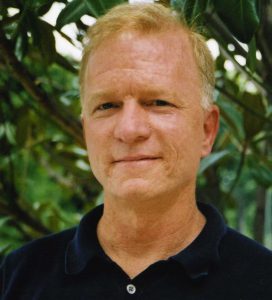
Environmental Integrity Project Executive Director Eric Schaeffer is a former Director of Civil Enforcement at the Environmental Protection Agency.
- Virginia needs to establish a better system for collecting and disposing of surplus livestock manure. The funding for that system should be provided at least in part by the large poultry and beef processors that profit from the farm operations.
- The state should require nutrient management plans for all farms that spread manure, not just a few of them. And these plans should be strengthened by requiring farmers to file annual reports that include their manure application rates as well as actual crop yields.
- Inspections of industrial-scale poultry and cattle operations by state officials today are limited and enforcement is rare. Virginia needs to tighten up inspections and enforcement, and require all cattle operations to fence their cattle out of streams.
- State officials should increase the frequency of bacteria monitoring in the valley’s waterways. And when bacteria levels are too high, the state should post signs warning the public to stay out of the Shenandoah’s waters, as the state does on Virginia’s ocean beaches.
“While health warnings for the public are important, the bigger picture is that the Shenandoah watershed is more than just a drainage system for the livestock industry. With more effective controls on agricultural pollution, Virginia can keep its waterways clean enough for all citizens to enjoy,” EIP’s Eric Schaeffer said.
(From a release by the Environmental Integrity Project)
Click here to read the following story:
Is the Shenandoah River safe for recreational use?

How Sleep and Stress Affect Cancer Risk

Spanberger Signs Sweeping Public Safety and Gun Violence Bills

Horses, Fans Return as Shenandoah Downs Season Begins

Skill Games Halted Again as Spanberger Issues Veto

VDOT: Warren County Traffic Alert for April 13 – 17, 2026

The Cat Who Outlasted Six Prime Ministers

Front Royal, Virginia. Vacation Destination?

Virginia State Police Report Major Drug Seizures in Weekly Crime Suppression Effort

Virginia Secures Birth Control Access as Other Southern States Eye Abortion Pill Manufacturers

SCC Approves Loudoun Transmission Line, Nixes Undergrounding; Final Route to be Determined

Slate of New Virginia Laws Address Health Care and Housing Affordability

James J. Coverston Sr. (1942 – 2026)

Business Growth Series: Your Biggest Problem Isn’t Competition — It’s Being Overlooked

Why Many Experts Say a Concussion Should Be Called a Brain Injury

Missouri Man Arrested in Undercover Operation Targeting Online Crimes Against Children

Trump Tax Plan Credited With Higher Refunds, Lower Taxes

Spanberger Vetoes Fairfax Casino Bill, Citing Local Opposition

Blue Ridge Point-to-Point Races Return Saturday at Woodley Farm

Legislative Effort to Buy Monroe’s Loudoun Estate on Pause, Budget Effort Underway

US House Democrats Call for Congress to Come Back Into Session for Iran War Debate

Virginia to Raise Minimum Wage to $15 by 2028 Under New Law

Spanberger Signs Bills to Aid Low-Income Utility Customers, Manage Power Demand

FTC Wants to Hear from Renters About ‘Unfair and Deceptive Housing Fees’

As Redistricting Referendum Nears, Spanberger Balances Governing and Campaigning
