
Local News
Blue Ridge Wildlife Center Patient of the Week: Bald Eagle
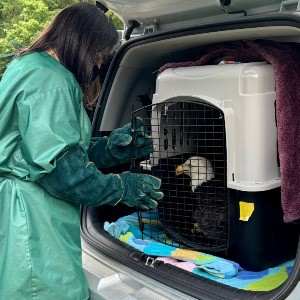
This eagle was rescued on July 2nd after being found down and weak at a Stafford County landfill.

Given the level of weakness and disorientation with no signs of trauma, we immediately tested for lead and discovered that this eagle was suffering from lead poisoning.
Over 90% of our adult eagle patients have lead in their blood on intake with over 20% being truly toxic levels, as in this case.
We routinely find that eagles and other primary or opportunistic scavengers (vultures, opossums, etc.) have high levels of lead with over 80% of these patients being positive for lead when tested. This poisoning is from ingested lead, typically from ammunition fragments left in carcasses and gut piles or from eating fish that have swallowed lead sinkers.
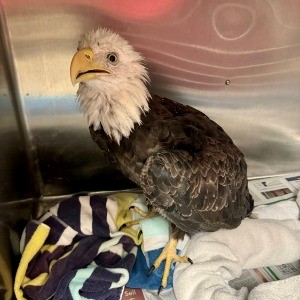
There is no safe level of lead in the body. Lead poisoning can cause multiple problems in wildlife (and humans!), including neurological issues, respiratory issues, organ failure, and even death.
We provided chelation therapy to remove the lead from the body.
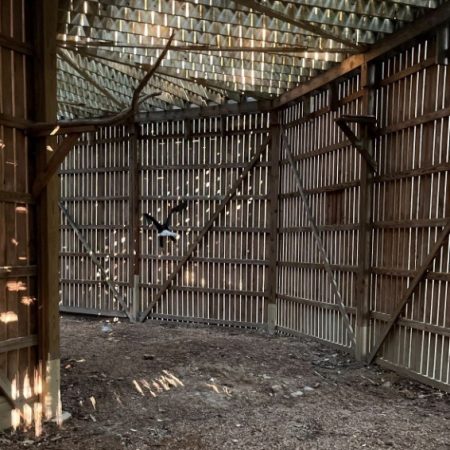
Despite being depressed on intake and for multiple days, this bird made excellent progress and was moved outside to our large circular flight enclosure.
These outdoor rehabilitation shelters are a crucial part of our patient’s recovery process. It allows them to rebuild muscles that were weakened while recovering from surgery and adjust to the elements while being monitored.
Our flight enclosure is shaped like a donut which allows large raptors, like this patient, to fly continuously. Not only is this great exercise for the patient, it also allows our rehab team a chance to see how the patient is perching, flying, and landing.
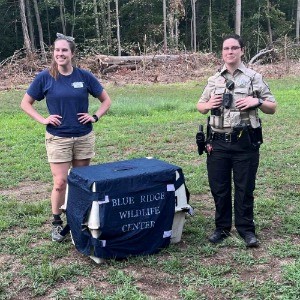
And after 21 days in care, it’s time for release! Click here to watch the release video of this patient.
Thank you Office of Stafford County Sheriff – David “DP” Decatur, Sheriff for rescuing this adult Bald Eagle and to our amazing transporter for getting the bird to us for care!
Want to help keep eagles, vultures, and other wildlife safe this upcoming hunting season? Switch to non-lead ammunition! As lead hits a target, it expands and fragments a significant distance, meaning that even carcasses that are field dressed often still have fragments in them.
It only takes a piece of lead the size of a grain of rice to kill a Bald Eagle.
Copper, bismuth, tungsten, steel, and other non-lead ammunition doesn’t fragment in the same way, making it less of a risk to our wildlife. Make the switch today and help #GettheLeadOut

Business Growth Series: Your Biggest Problem Isn’t Competition — It’s Being Overlooked

Why Many Experts Say a Concussion Should Be Called a Brain Injury

Missouri Man Arrested in Undercover Operation Targeting Online Crimes Against Children

Trump Tax Plan Credited With Higher Refunds, Lower Taxes

Spanberger Vetoes Fairfax Casino Bill, Citing Local Opposition

Blue Ridge Point-to-Point Races Return Saturday at Woodley Farm

Legislative Effort to Buy Monroe’s Loudoun Estate on Pause, Budget Effort Underway

US House Democrats Call for Congress to Come Back Into Session for Iran War Debate

Virginia to Raise Minimum Wage to $15 by 2028 Under New Law

Spanberger Signs Bills to Aid Low-Income Utility Customers, Manage Power Demand

FTC Wants to Hear from Renters About ‘Unfair and Deceptive Housing Fees’

As Redistricting Referendum Nears, Spanberger Balances Governing and Campaigning

Drive for More Housing Sparks Rare Bipartisanship in Statehouses, Including in Virginia

Community Breakfast at Riverton Church Serves More Than Just Pancakes

Proposed Electric Substation Declared Compliant with Comprehensive Plan at County Planning Commission Meeting

Christopher Todd Thomas (1975 – 2026)

Constitution 101: The Commerce Clause

What Factors Are Most Likely to Affect the Cost of a Funeral?

Learn to Spot Scams: Free Workshop Set for June 2

Smart Ways to Use Your Tax Refund This Year

Supervisors Revisit Cross-County Chester Gap F&R Service, See Member-Staff Confrontation After Numbers Apology Offered

Get Your Equipment Ready Before the Start of Fishing Season

Landscaping Careers Offer Outdoor Work and Creative Opportunities

Blue Ridge Wildlife Center Patient of the Week: Virginia Opossum
