
Local News
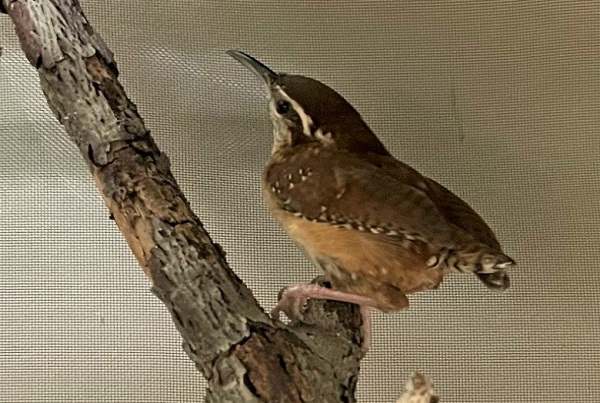
Blue Ridge Wildlife Center Patient of the Week: Carolina Wren
Help wildlife by keeping your cat indoors.
This Carolina Wren has been in care at the Center since early January after suffering a right radius (bone in the “forearm” of the wing) fracture as the result of a cat attack.
As with all confirmed cat interactions (finder saw the bird in the cat’s mouth), this patient immediately received antibiotics. Needle-like feline teeth pierce through the skin and when they pull out the skin tissue closes quickly, trapping bacteria from the cat’s saliva and increasing the chance of developing a fatal infection.
After more than three weeks in care, this patient is doing well on antibiotics but is still not fully healed or flying. With continued care, we are hopeful that they will be fully flighted and ready for release in the next week.
What kind of impact do domestic cats have on wildlife?
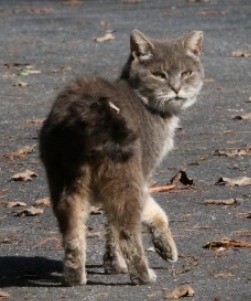 You may be surprised to learn that over a billion birds are killed by cats EACH YEAR in the United States (some studies estimate that that number is closer to 4 billion).
And between 6-22 billion mammals and hundreds of millions of reptiles are also killed annually by cats in the U.S.
In Virginia, it’s estimated there are 2.1 million free-roaming cats, and over 40% of them have an owner.
What is the solution?
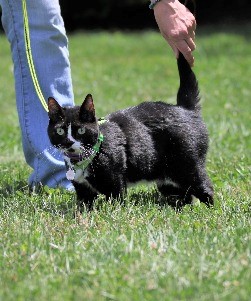 There is no single solution to the free-roaming cat issue, though nearly everyone agrees that the population of free-roaming cats must decrease.
Along with other experts in wildlife conservation, veterinary medicine, public health and safety, we are honored to have been selected as part of a Virginia General Assembly workgroup to study problems associated with free-roaming cats.
The workgroup, appointed in 2021, has just released a comprehensive report detailing the impact of cats on wildlife and public health, as well as recommendations for reducing free-roaming cat populations in our state. (Read the full report here)
Help us help wildlife by committing to keeping your pet cats indoors and encourage other cat owners to do the same!
Looking for an easy way to help native wildlife? Become a monthly BRWC donor! For as little as $5/month, you can provide year-round, sustainable support that helps us fulfill our mission.

French Earl Tolliver, Jr. (1960 – 2026)

5 Tips to Prevent Sports Injuries

Standardbred Owners Ainspan, McDonald Each Score Thoroughbred Wins at Colonial Downs’ Virginia Derby Meet

Most Dangerous Cycling Scenarios Involving Cars

VDOT: Warren County Traffic Alert for March 23 – 27, 2026

Virginia State Police Seize $22.4 Million in Drugs, Recover Firearms in Weeklong Operation

Virginia Home Sales Rise in February as Inventory Grows, Spring Outlook Uncertain

Bing Crosby Stadium Hosts Warren County–Skyline Baseball Battle Tonight

Warren Supervisors Address Audit Contract, Permits, and Property Sale at March 17 Meeting

Here’s How Virginia Lawmakers Suggest the Next State Budget Handle Federal Health Care Funding Fallout

Spring Essentials Checklist: Prepare Your Home for Summer

Virginia Joins National Push for Refunds After US Supreme Court Voids Trump Tariffs

Four Reasons to Consider Hiring a Professional Cleaning Company

Ask the Expert : We Are Applying for a Mortgage Soon. What Kind of Documents Will We Need?

Charles Michael “Rusty” “Chuck” Fischbein (1944 – 2026)

Jerrold E. “Jerry” Groves (1931 – 2026)

Town Planning Commission Moves Forward with Industrial Zoning, Holds Preliminary Discussion of Urban Agriculture

Schools Push for Budget Flexibility, Consistent Funding as Needs Grow

Skyline High Teams, Athletes Successful Seasons and Performances Acknowledged – Oh, and Those Roosters

School Board Seeks to Restore Meals Tax Funding for School Facilities

Wasting Drinking Water: 3 Habits to Eliminate From Your Daily Routine

Medicare Launches TEAM Program to Improve Recovery After Surgery

Izaak Walton League Promotes Conservation and Outdoor Programs at Community Forum

POLICE: 7 Day FRPD Arrest Report 3/16/2026
