
Local News
Blue Ridge Wildlife Center Patient of the Week: Woodland Box Turtle
What happens when wildlife encounters the chemicals we put on our lawns?
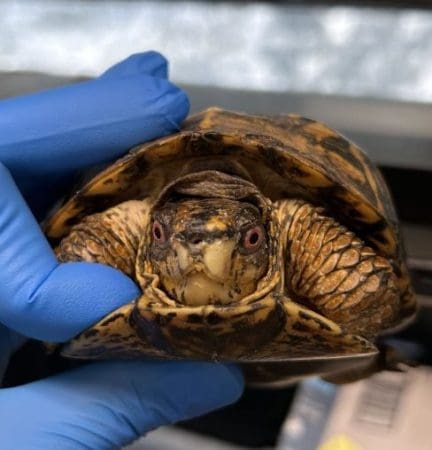
This Woodland Box Turtle arrived at the Center with severely irritated eyes, discharge from his eyes and nose, and ulcerations inside his mouth. These are all signs we commonly see with upper respiratory infections in turtles, and initially, this appeared to be a fairly typical case.
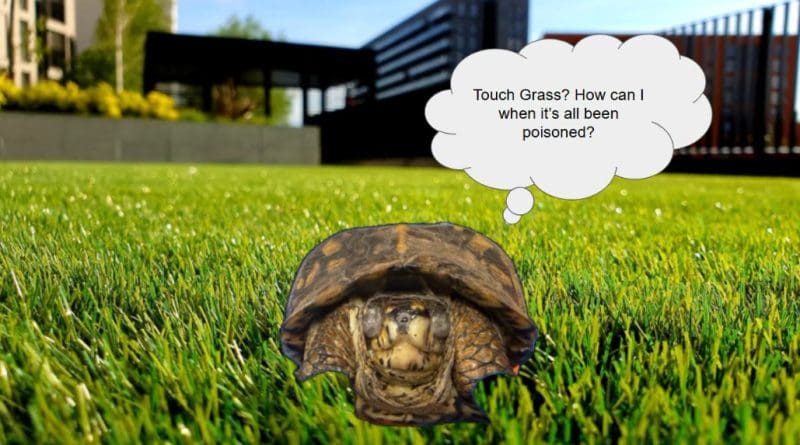
But then the finders shared a critical piece of information: they had recently applied Moss Out Granules to the lawn where the turtle was found.
The product’s own safety data sheet warns that it can cause serious eye irritation, skin irritation, and harm if swallowed. It even recommends protective clothing, gloves, and eye protection when handling the product.
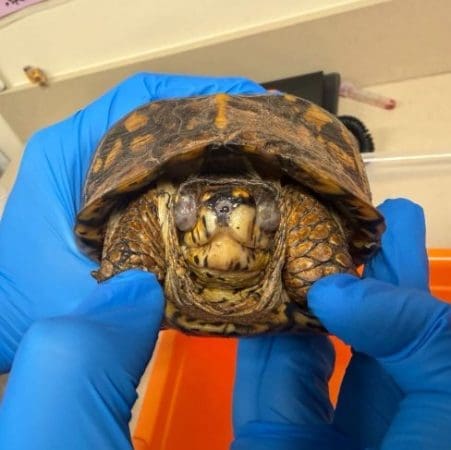
Unfortunately, this turtle wasn’t issued safety goggles before wandering through someone’s lawn.
His symptoms were consistent with chemical exposure rather than a typical respiratory infection, and that information made all the difference in his treatment.
With extensive flushing, water soaks, and anti-inflammatory medications, this turtle made a full recovery in just a few days!
That’s considerably faster than the recovery we’d expect from many of the respiratory infections we routinely treat.
While we strongly discourage using chemical lawn treatments in areas shared with wildlife, we’re incredibly grateful to the people who rescued this turtle.
They recognized something was wrong, got him help, and, most importantly, told us about the recent chemical application. That information allowed our veterinary team to provide appropriate care quickly.
But this case raises a bigger question: Why are we working so hard to maintain lawns that offer so little to wildlife?

Traditional turfgrass lawns are essentially biodiversity deserts.
Unlike native plant communities, these monocultures provide very little of the food, shelter, and habitat our native wildlife need to survive. And to maintain that perfectly manicured appearance, many homeowners apply fertilizers, herbicides, mossicides, and other chemicals that can harm wildlife and contaminate our waterways.
Think about that. We remove the native plants that support wildlife, replace them with grass that offers little ecological value, and then apply chemicals to keep that grass looking the way we want.
At what cost?
If your lawn requires constant maintenance, chemical treatments, and the removal of native vegetation to thrive, perhaps that patch of land was never meant to be a traditional lawn in the first place.
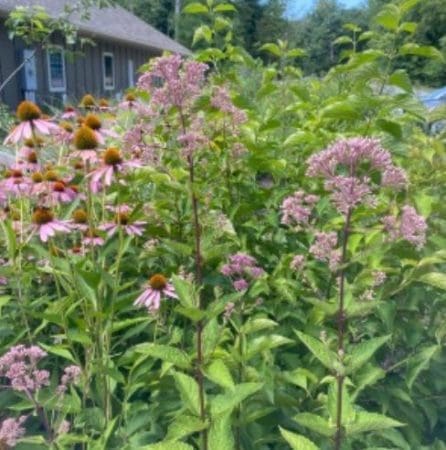
We encourage homeowners to replace turfgrass with native plants wherever possible. Native plant landscapes can require less maintenance once established, reduce the need for chemical treatments, and provide essential habitat for birds, pollinators, turtles, and countless other species.
And if replacing your lawn isn’t an option, simply reducing chemical use is a meaningful step toward protecting the wildlife that shares your property.
Keeping wildlife alive and healthy should always be a higher priority than keeping your grass a specific shade of green.
Looking for an easy way to help native wildlife? Become a monthly BRWC donor! For as little as $5/month, you can provide year-round, sustainable support that helps us fulfill our mission.




Blue Ridge Wildlife Center Patient of the Week: Woodland Box Turtle

A Clear Alternative

County Supervisors Fill 3 Vacancies on the FR/WC EDA Board of Directors

Adrian Douglas Burt (1946 – 2026)

POLICE: 7 Day FRPD Arrest Report 10/26/2026

If Virginians Approve Reproductive Rights Amendment, A Hearing Is Set for Nov. 13 To Challenge It

Virginia Proposes Shifting Construction Funds to Tackle $1.7 Billion Highway Maintenance Gap

What To Do When You See a Dangerous Driver

Candy Season Lasts Longer Than Halloween Night

Art Meets Cinema as Melissa Ichiuji Studio Gallery Launches “Wet Wednesdays” Film Series in Front Royal

Town Council Makes Prohibition on Data Centers Effective with Unanimous Vote

Virginia War Memorial to Host 70th Annual Veterans Day Ceremony November 11
We Are Better Than This

As Living Costs Rise, More People Need Assistance to Obtain Abortions, Virginia Fund Reports

Virginia Lawmakers Approve Plan to Advance New K-12 School Funding Formula

‘We Don’t Want It’: Voter Backlash Against Data Centers Consumes Midterm Elections

The Property Tax Bill You Can Fight Is Not The One In Your Hand Now

Orcas Have Fads. One Of Them Is Wrecking Boat Rudders

Martha Lou Didawick (1948 – 2026)

Samuels Public Library Announces November Programs, Holiday Activities and Annual Friends Book Sale

Warren County Wildcats Host Brentsville Tigers Under Friday Night Lights – October 30

Warren County Wildcats Host James Wood in Girls Volleyball Tuesday, October 27

The Bed Switcheroo: One Couple’s Simple Experiment in Better Sleep and a Little Nighttime Adventure

Law Enforcement Agencies’ Use of License Plate Reader Data Faces Fresh Scrutiny
