
Interesting Things to Know
Google Glass finds space in industry
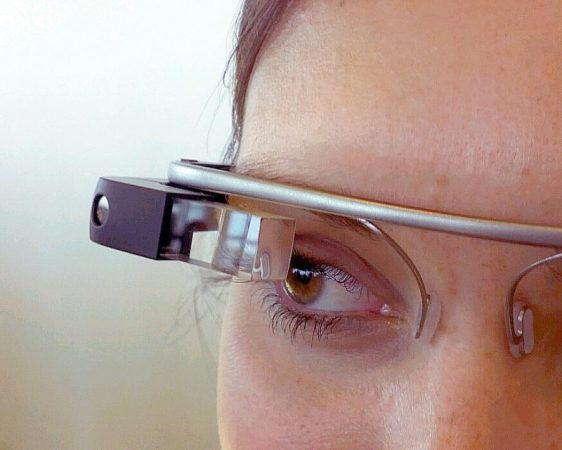
Technicians in aerospace, warehousing and even training, often need both hands free while they reference printed materials or communicate with others.
And that’s where Google’s augmented reality glasses (equipped with custom software) are finding a niche in industry, according to Computer World.
DHL warehouse
It’s easy to see how augmented reality works in a warehouse at Deutsche Post DHL, for example. A DHL video demonstrates how manual item pickers move a trolley through an enormous warehouse to find an exact item. Then they check their papers, pick up an item, scan it with a scanning gun, and load it onto the trolley. With customized Google Glass, the same pickers move the trolley, while accessing their lists on screens on their glasses. When they find the item, they scan it using the glasses. Thus, they eliminate paper and the scanning gun, saving time and error.
Boeing technology
According to Boeing, technicians who perform detailed work with their hands often need to refer to complex documentation. What if instead of getting the book and searching for the right page, they could leave their hands in place and just glance up to a screen floating in their glasses? That is the vision that Boeing is building.
Industry adoption of customized Google Glass is expected to increase, according to software maker Plataine. The glasses will increasingly aid production and warehouses with identifying objects, finding and solving problems during production, and getting help in real time.
Consumer delays
Google first tried marketing the glasses to consumers but stopped that effort in 2017. Studies showed consumers mainly used Glass for taking pictures, an activity that doesn’t really need another gadget.
That doesn’t mean there will never be a consumer space for augmented reality glass, according to Computer World. Apple has taken out patents on aspects of their own famous research on glasses.
Facebook reality labs have also been working on augmented reality glasses for years.
But, according to Computer World, these efforts won’t bear real consumer fruit for perhaps a decade.

‘The Revenant: A Novel of Revenge’

Virginia Lawmakers Close 2026 Session With Focus on Lowering Costs

The 10 Most Important Things That Happened in Virginia’s 2026 Legislative Session

Electric Vehicle Market Adjusts as Industry Rethinks the Road Ahead

Cultures Around the World Mark the Spring Equinox With Unique Traditions

Laurel Ridge to Host 46th Annual Spring Follies: “Back to the ’90s”

Love Revival to Host Free Community Easter Celebration in Front Royal

Salvation Army of Front Royal Plans Annual Dinner and Raffle Fundraiser

Stephen Paul Sill (1955 – 2026)

Virginia Seeks Public Input for 2026 Statewide Rail Plan

Front Royal Craftsmen Revive Centuries-Old Timber Framing Tradition

VDOT: Warren County Traffic Alert for March 16 – 20, 2026

Virginia Lawmakers End Session Without Final Budget

Your Personal Mission Statement: A Guide to Getting What You Want Out of Life
Disappointed In Our Olympic Spirit

How St. Patrick’s Day Became America’s Biggest Irish Party

Virginia State Police Urge Sober Plans for Saint Patrick’s Day Celebrations

In a One-Party County, Internal Party Decisions Affect Us All

Virginia State Police Seize Nearly 100 Pounds of Narcotics, Recover Firearms in Weekly Crime Suppression Effort

Barton Charles “Bart” Haller (1940 – 2026)

Dawn Lee Dodson (1970 – 2026)

Mary Helen “Nanny” Spires Johnt (1954 – 2026)

Another Round of ‘Momnibus’ Bills Are Headed Towards the Governor This Year

Virginia Joins States Challenging Trump Admin Regulations That Limit Free Birth Control Access
