
Health
Low blood pressure can be risky for the heart
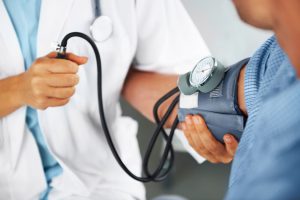
Everyone knows that high blood pressure is dangerous for the heart, but so is low pressure.
A recent study in the Journal of the American College of Cardiology focused on what happens as the systolic blood pressure (SBP), and diastolic blood pressure (DBP) change.
For instance, most experts agree that if these numbers should go above 140 mmHg or 90 mmHg (hypertension), respectively, then they should be treated with medication. On the other end of the spectrum, levels that are too low, less than 60 mmHg (hypotension), could result in the heart muscles not receiving enough oxygen and eventually becoming damaged. These levels indicate an increased risk for heart disease and even death. Taking medication for high blood pressure could lead to a situation in which pressure becomes too low as well as highlighting the fact that doctors must monitor these cases closely.
Symptoms of low blood pressure can come in many forms, and The American Heart Association highlights dizziness, nausea, fainting, dehydration, blurred vision, clammy skin, and fatigue as possibilities. There isn’t a specific level of blood pressure that causes these symptoms and each person will measure slightly differently. Noticing any of these symptoms, regardless of whether or not they are related to blood pressure, is an excellent time to seek the advice of a medical professional.
Pregnancy is one of the most common causes of low blood pressure as a woman’s circulatory system expands for the growing child.

Underlying heart problems, endocrine issues, diabetes, blood loss, anemia, and certain types of infections and allergies can also be the culprit.
Age, as well, can lead to one form of low blood pressure called orthostatic hypotension that causes big drops after standing or eating.



Front Royal Remains Under Mandatory Water Conservation As Shenandoah River Flow Drops

Front Royal Women’s Resource Center Opens 2027 Dare to Dream Grant Applications

Warner, Mizusawa Outline Competing Approaches to Disability Policy

Fable Greenhouse and Gardens Breathes New Life into Former Horton’s Nursery

Louise Virginia “Mom” Messer (1936 – 2026)

Business Growth Series: Doing Everything Yourself Is Slowing You Down

The Mystery of the Purple Seal

Front Royal Outdoors Founder Don Roberts Named 2026 Protector of the Shenandoah

Front Royal Man Held Without Bond Following Child Sexual Abuse Material Investigation

Performing Arts Center Pointing to 2027 Opening as Local Entertainment, Business, and Educational Partner

Town Planning Commission Continues to Prepare for the Arrival of Cannabis on the Local Market

Warren County Schools Improve, But Federal Rules Lower Seven Ratings

Spanberger Announces $1.3 Million in Scholarships and Incentives for Nursing Students

The First Long-Distance Phone Call Came With Receipts

Middletown Man Killed In I-81 Crash In Frederick County

Cline Backs Veteran Cancer Screening Effort, Highlights Sixth District Programs

Sheriff Cline Details Flock Safeguards, Uses and Limits at Warren County Work Session

Flock Safety: A Tool for the Common Good

Melissa Ichiuji Studio Gallery Reopens With Two Fall Exhibitions

Just Hours Away: Festival Of Leaves Returns To Downtown Front Royal Saturday

Sheriff’s Office Addresses Use of ‘ALPR’ Cameras – Health Insurance, 4-H Week, and Parks & Rec Events Also Presented

Before Relying on a Model, Look at the Assumptions

The Question Is Not Which Apple Tastes Best

Brian Anthony Lamb (1980 – 2026)
