
Automotive
What affects an EV’s range?
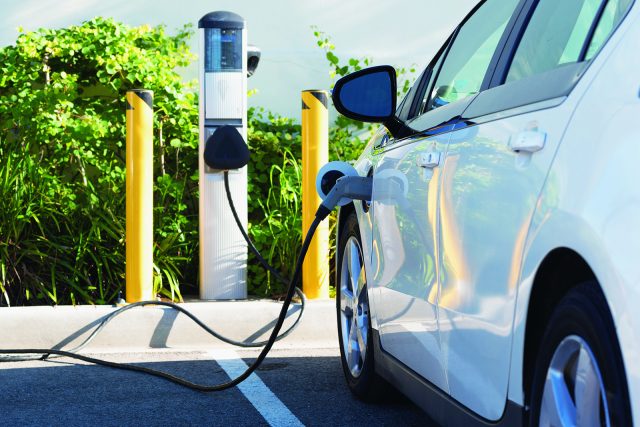
If you purchase an electric vehicle (EV) with a 125-mile range, can you reasonably expect to drive that distance between each charge? Unfortunately, the answer is no. This is because the battery does more than powering the engine. In fact, there are many factors that contribute to the battery’s range, including the following:
• The electrical system. An EV’s battery is responsible for all the systems in the car. As a result, running the fan or entertainment unit will require some of the battery’s power.
• The weather. Cold or windy weather can reduce an EV’s range by up to 30 percent. This is largely due to the need to heat the car’s cabin and engine. Hot weather also affects range, but not to the same extent.
• Where you’re driving. Because many EVs use the power generated while braking to recharge the battery, driving in the city increases a car’s range while driving at a steady pace on the highway reduces it.
• The load you’re carrying. As with any car, heavy loads are less economical to carry. In order to optimize your car’s range, don’t stow unnecessary items in the trunk.
If you’re worried about running out of juice, your car’s information system will warn you when the battery’s charge is low. However, it’s important to plan ahead to be safe. Always know how far you’re going and make sure that your battery is sufficiently charged to get you there and back.

Court Ruling Voids Prince William Data Center Rezoning, Raising Stakes for Local Debate

Spanberger Signs First Bills Targeting Healthcare, Housing and Energy Costs

Blue Ridge Singers Spring Concerts to Showcase Powerful Blend of Voices and Brass

What Counts as “Good Policy” Depends on Who’s in Power

Planned Parenthood Presses Virginia to Restore State Funding for Contraception Program

Weapon Offenses Rise on Virginia University Campuses

Trump Steps In to Pay TSA Workers as Congress Remains Stalled

Escaping the ‘Captivity of Activity’ by Making Time to Rest

Why Wearing a Bike Helmet Matters

Wilma J. Martin (1927 – 2026)

Michael Fanning (1957 – 2026)

Spanberger Order, RNC Lawsuit Highlight Divide Over Virginia Voter Roll Maintenance

DNC Kicks Off Voter Registration Blitz, Unveils New Campaign Playbook Ahead of Midterms

Republican State Lawmakers Propose Three-Month Gas Tax Holiday in Virginia

April Star Birthdays: Famous Faces Celebrating This Month

Time to Strengthen Those Hips Again

Supervisors Discuss Evolving FY-26/27 Budget Priorities and Revenue Sources, Including Real Estate Tax Hike & Cigarette Tax

From Students to Leaders: Mountain Vista Governor’s School Hall of Fame Honors Two Graduates

Hundreds Gather in Front Royal for “No Kings Day” Rally

How Public EV Charging Stations Work

A Social Network Just for AI? Bots Chat About Life, Love and More

Out of Closed Session FR-WC EDA Approves Resolutions Regarding Evolving Property Sales and Brokerage Services

Driver Dies After Crash While Fleeing Police on I-81

Laurel Ridge Honors Cynthia Schneider as Distinguished Alumna of the Year
