
Automotive
9 tips for driving safely at night
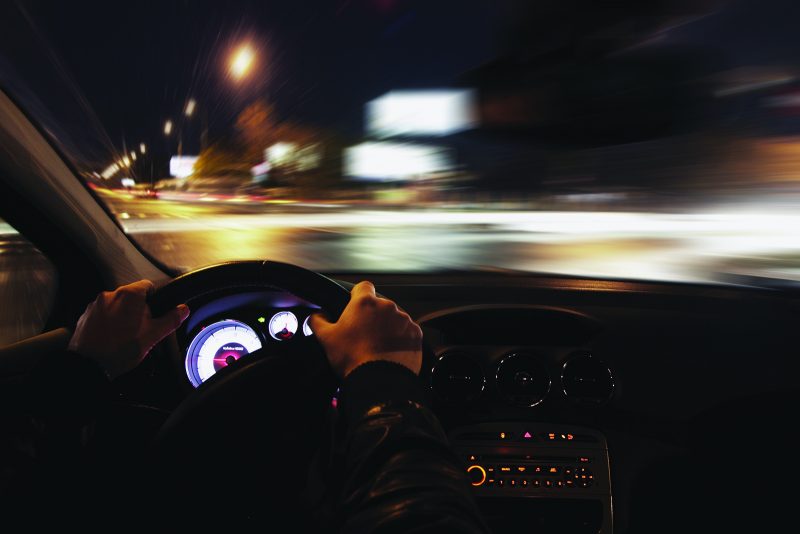
Nighttime driving is considered more challenging than daytime driving. This is because darkness reduces your field of vision, attenuates contrasts, alters depth perception and makes movements harder to perceive. For everyone’s safety, it’s important that you adapt your driving when getting behind the wheel at night. Here are nine things you should do.
1. Slow down and increase your following distance. Driving slower gives you more time to react and avoid sudden obstacles such as animals, who tend to be more active at night.
2. Only pass other cars if you’re certain you have enough time. Oncoming cars will appear further away than they actually are at night.
3. Keep your windshield clean. A clean windshield maximizes visibility. It also prevents glare, thereby minimizing eye strain.
4. Keep your headlights and taillights in good condition. Not only will you see better, you’ll also be more visible to other drivers.
5. Avert your eyes when traffic is coming towards you. Look towards the white line on your right side to avoid being blinded by the headlights of oncoming cars.
6. Turn off your interior lights. They can turn your windshield into a mirror and prevent you from seeing the road clearly.
7. Adjust your dashboard’s brightness. Dim it when driving on poorly lit roads to reduce eye strain and allow you to better see the road.
8. Take a break every two hours. Stretching your legs every couple of hours will help you fight fatigue, especially during long drives.
9. If you’re tired, stop. As soon as you notice signs of fatigue, find somewhere safe you can stop and stretch your legs or take a brief nap.

James Christopher “Chris” Sain (1948 – 2026)
Alice “Maybelle” Henson (1938 – 2026)

How Sleep and Stress Affect Cancer Risk

Spanberger Signs Sweeping Public Safety and Gun Violence Bills

Horses, Fans Return as Shenandoah Downs Season Begins

Skill Games Halted Again as Spanberger Issues Veto

VDOT: Warren County Traffic Alert for April 13 – 17, 2026

The Cat Who Outlasted Six Prime Ministers

Front Royal, Virginia. Vacation Destination?

Virginia State Police Report Major Drug Seizures in Weekly Crime Suppression Effort

Virginia Secures Birth Control Access as Other Southern States Eye Abortion Pill Manufacturers

SCC Approves Loudoun Transmission Line, Nixes Undergrounding; Final Route to be Determined

Slate of New Virginia Laws Address Health Care and Housing Affordability
James J. Coverston Sr. (1942 – 2026)

Business Growth Series: Your Biggest Problem Isn’t Competition — It’s Being Overlooked

Why Many Experts Say a Concussion Should Be Called a Brain Injury

Missouri Man Arrested in Undercover Operation Targeting Online Crimes Against Children

Trump Tax Plan Credited With Higher Refunds, Lower Taxes

Spanberger Vetoes Fairfax Casino Bill, Citing Local Opposition

Blue Ridge Point-to-Point Races Return Saturday at Woodley Farm

Legislative Effort to Buy Monroe’s Loudoun Estate on Pause, Budget Effort Underway

US House Democrats Call for Congress to Come Back Into Session for Iran War Debate

Virginia to Raise Minimum Wage to $15 by 2028 Under New Law

Spanberger Signs Bills to Aid Low-Income Utility Customers, Manage Power Demand
