
Business
Which is more admired: Contributing time or money?
Suppose there are two very charitable brothers who are doctors: Bill and Jeff.
Both care deeply for the poor. Bill’s big city practices gives him a six-figure income. Bill donates $50,000 a year to Doctor’s Without Borders and, because of his donation, he saves 500 lives.
His brother, Jeff, works for Doctor’s Without Borders. He makes $23,000, sacrificing what could be a six-figure income, and every year saves 200 lives.
Bill’s donation saves more lives than Jeff’s, but which brother leads the more admirable life?

The Wall Street Journal, in a scientific survey, asked that question to its social media followers. The study found 92 percent of respondents believed Jeff was leading the more admirable life and 60 percent believed he helped more people than his brother Bill, even though Bill’s donations saved more lives.
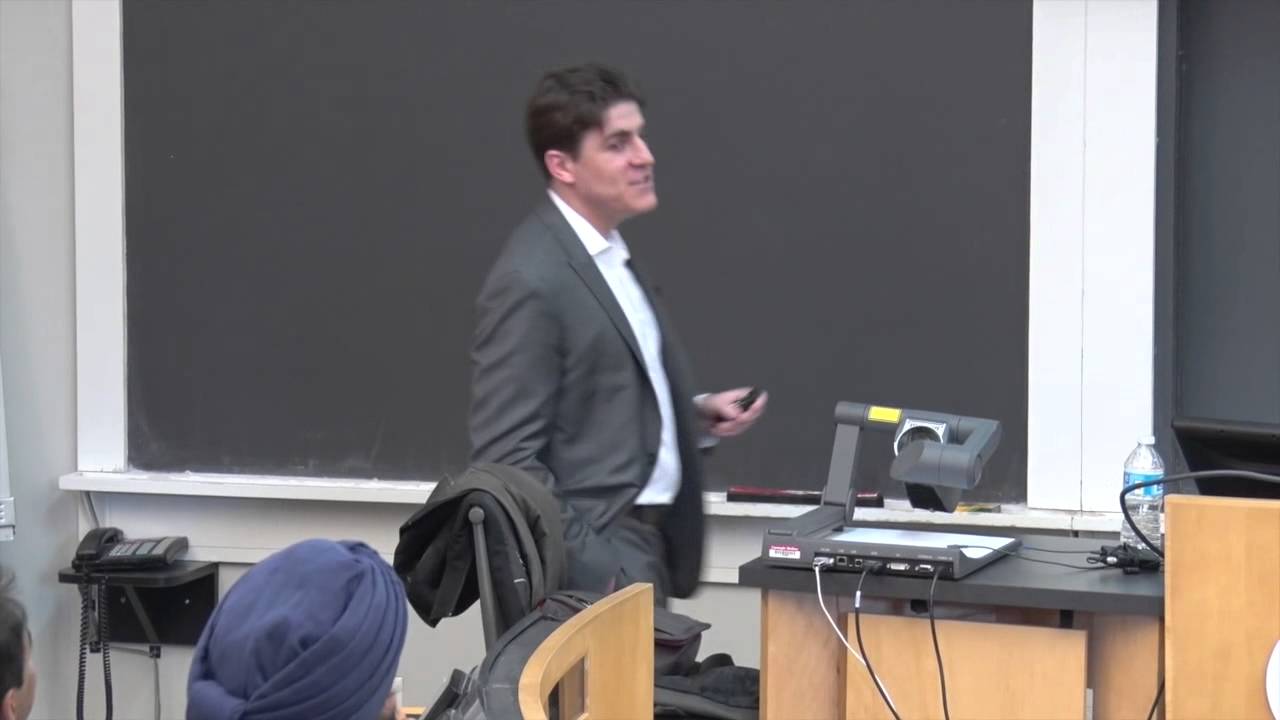 According to a series of studies by Christopher Olivola, assistant professor of marketing at the Carnegie Mellon University Tepper School of Business, found that contributing time was valued more than contributing money, even when a monetary contribution objectively did more good.
Called The Martyrdom Effect, personal sacrifice for charity is valued more than monetary donations.
Olivola’s experiments, published in The Journal of Behavioral Decision Making, also found that suffering for a cause increases altruism.
Case in point: The recent ALS Association’s ice bucket challenge where participants dumped ice water over their head and donated more than $115 million in an eight-week period. The fund-raiser was successful because it connected with people’s respect for suffering in the name of a good cause that reduced human suffering. However, Olivola also found that people weren’t as ready to endure something painful like ice water if the cause was unrelated to human suffering.





Trump Administration Touts May Job Growth, New Investments in Weekly Briefing

Front Royal’s Monthly Through November ‘Vintage Market’ Event Attracts Shoppers Despite Light Rain Intrusion

Does Your Teen or College Student Need to File Taxes?

Building a Rental Property Can Offer Investors More Control and Long-Term Value

Fair Estate Planning Can Help Prevent Family Disputes

Chelsea Academy Announces Summer Sports, Academic, and Activity Camps

VA250 Mobile Museum Experience Coming to Front Royal June 18-21

Trump Touts Farm Policies, Trade, and Rural Priorities During Wisconsin Visit

US Senate Blocks Trump’s SAVE America Act, Thwarting Restrictions on Voting

The Ocean Is Fighting Back

Simple Ways to Personalize a Father’s Day Card

Careful Planning Helps Keep Livestock Safe During Transport

The People’s Power Begins with the Ballot

Front Royal Cardinals Host Woodstock River Bandits, Sunday – June 7

New Economic Development Director Shares Modus Operandi At Joint Town Council and Board of Supervisors Work Session

Topography Complicates Automobile Graveyard Application at Town Planning Commission Work Session

VDOT: Warren County Traffic Alert for June 8 – 12, 2026

Virginia State Police Report Firearms, Narcotics Seizures in Weekly Crime Suppression Operations

Warren County APS Urges Residents to Watch for Elder Abuse, Financial Scams

Business Growth Series: No Clear Goal? No Growth.

After Ashland Dam Removal, Freshwater Mussel Species Reintroduced to South Anna River

Commentary: What Virginians’ and Americans’ D-Day Sacrifices Teach Us About Our Country Now

FOIA Friday: Richmond City and Schools Face Scrutiny

Johnnie Otis Kaufman Jr. (1946 – 2026)
