
Local News
Blue Ridge Wildlife Center Patient of the Week: American Toad
This large female American toad was admitted to our hospital on October 16, 2025, after being found with significant trauma, including oral injuries, fractures to the leg and foot, and traumatic changes to the eye on the same side of her body.
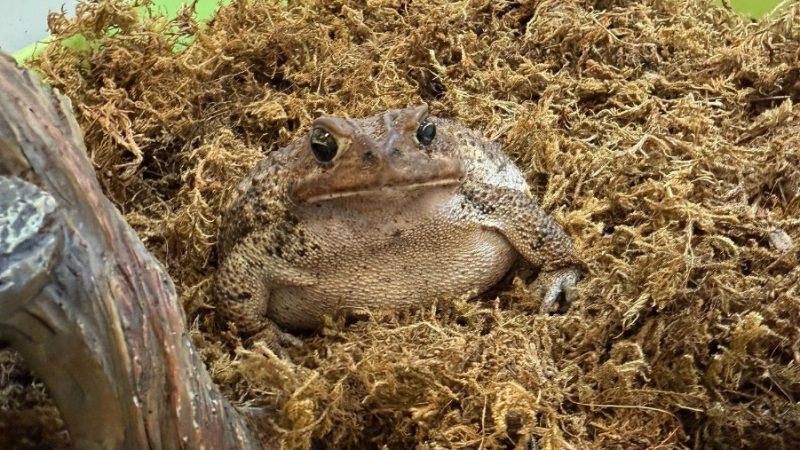
Fortunately, her injuries healed well.
However, because she arrived so late in the season, she was unable to be released before temperatures dropped too low.
In the wild, American toads burrow into soft soil below the frost line to brumate (the amphibian and reptile equivalent of hibernation). To do this successfully, they need sufficient time and appropriate conditions before nighttime temperatures fall below freezing.
As a result, this toad is spending the winter with us, with plans for release this spring.
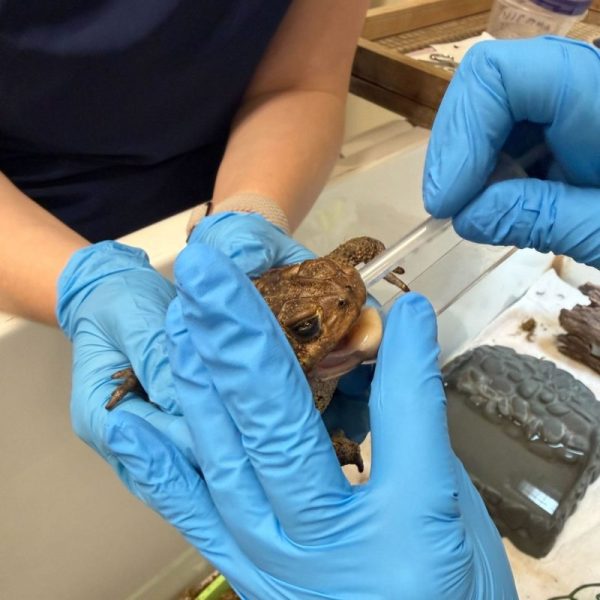
Overwintering wildlife in a controlled environment presents unique challenges.
Despite our efforts to recreate summer conditions using extended daylight (12–14 hours of artificial light) and elevated temperatures, many animals still perceive subtle seasonal cues. In rehabilitation, this can lead to slowed metabolisms or altered behaviors, even when environmental conditions appear optimal.
In some cases, this can result in secondary health issues that require medical attention, such as constipation.
In this patient’s case, our veterinary team used an ultrasound probe with amphibian-safe, water-based gel to diagnose an impacted colon and fluid accumulation in the coelom (the main body cavity).
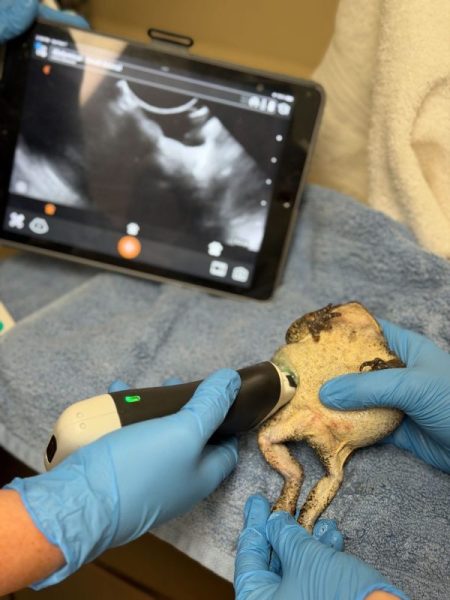
These findings can have several causes, including gastrointestinal parasites.
Once she is able to defecate, a fecal sample will be collected for parasite testing. In the meantime, treatment includes stool softener medication, warm dechlorinated water soaks, and enemas as needed.
While the overwhelming majority of our patients are admitted for trauma, their care doesn’t end once bones mend and wounds heal.
For many of the species we treat (especially amphibians) meticulous husbandry and close monitoring are just as critical as medical intervention in getting patients from intake all the way to a successful release.
Looking for an easy way to help native wildlife? Become a monthly BRWC donor! For as little as $5/month, you can provide year-round, sustainable support that helps us fulfill our mission.

Uptick in Continued Virginia General Assembly Legislation Reflects Varied Motivations

Mini Quiches with Ham and Swiss Cheese

Tips to Help Employers Sort Job Applications More Efficiently

Town Council Finishes Retreat, Considers Memorandum of Understanding with Smithsonian for Water Conservation

Spanberger Amends, Signs Sweeping Gun Legislation Reshaping Virginia’s Firearm Laws

Governor Pitches Amendments to Prescription Drug Affordability Board Bill That Some Say ‘Nullify’ It

Debate Continues Over Tax Rate as Supervisor Offers New Option

Blue Ridge Wildlife Center Patient of the Week: Eastern Fence Lizard

Joyce Henderson Banks (1941 – 2026)
Accountability Before Adjustment

Supreme Court Ruling Revives Debate Over Conversion Therapy Bans, Including in Virginia

Growing Pains: Rising Diesel, Fertilizer Costs Spurred by Iran War Impact Virginia Farmers

Virginia, Other States Make It Easier for Physician Assistants to Practice

Working Part-Time After Retirement: For the Paycheck — and the Fun

Compressed Air Safety: Why 30 PSI Is the Limit for Cleaning

ORDER OF PUBLICATION: In the Circuit Court for Warren County, Virginia

Local NAACP Recalls Segregated Criser High/Elementary School During ‘Learn From the Past for a Better Future’ Event

Virginia Revenues Top Forecast, But Economic Concerns Remain

Governor Clarifies: Proposed Tax Changes Never Became Law

Driver Runs After Crash, Caught by Police Moments Later

Debate Continues Over Tax Rate as Supervisor Offers New Option

POLICE: 7 Day FRPD Arrest Report 4/13/2026

Spanberger Joins Other Governors in Push for PJM to Prioritize Ratepayer Protections

Cannabis Testing Challenges Persist as Virginia Retail Market Nears
