
Local News
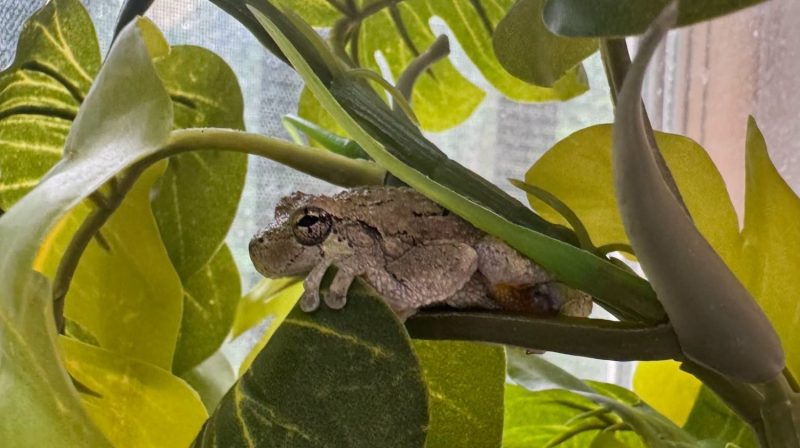
Blue Ridge Wildlife Center Patient of the Week: Gray Treefrog
The October 1st Deadline:
Amphibians heal quickly, and this Gray Treefrog was released just in time for the October 1 deadline!
In Virginia, reptiles and amphibians in rehabilitation must be released prior to October 1. Otherwise, they are required to overwinter in captivity and wait until May 1 of the following year for release. For any wild animal, our goal is always to minimize time in care and return them to the wild as soon as they are healthy and able to thrive on their own.
This little frog came to us with an injury severe enough that part of the foot needed to be amputated.
Less than a month later, the surgical site is completely healed, the frog is moving and climbing normally, and is ready to head home!


Gray Treefrogs are excellent climbers thanks to specialized toe pads that help them grip bark, leaves, and other surfaces.
Fortunately, losing part of a foot does not necessarily prevent a frog from successfully navigating its environment. Before release, our team makes sure patients like this one can move, climb, feed, and otherwise behave normally despite their injury.
Getting this patient back into the wild before cold weather arrives is especially important.
As temperatures drop, Gray Treefrogs begin preparing for winter, eventually settling beneath leaf litter, logs, bark, or other protected areas.


Amazingly, these frogs can survive freezing temperatures during the winter by producing compounds that help protect their cells while portions of their bodies freeze.
After a foot amputation and a remarkably speedy recovery, this frog gets to spend the winter exactly where a wild frog belongs: in the wild.
Good luck out there, little guy!
Looking for an easy way to help native wildlife? Become a monthly BRWC donor! For as little as $5/month, you can provide year-round, sustainable support that helps us fulfill our mission.





Blue Ridge Wildlife Center Patient of the Week: Gray Treefrog

Birthday Twins: See Which Famous Face Shares Your Big Day

Meet-and-Greet Set Sunday for Republican-Endorsed Front Royal Candidates

Barbara Ann Mathews Smelser (1943 – 2026)

Kathleen Frances Elar (1956 – 2026)

Happy Creek Crossing to Hold Vendor Interest Meeting Oct. 8 in Front Royal

If the Car Name Fits, Drive It

Front Royal Begins Smoke Testing Sewer System; Residents May See Smoke Around Homes

Trump Orders Federal Agencies to Replace ‘Artificial Intelligence’ With ‘Super Intelligence’

Town-Wide Weed Spraying Underway in Front Royal Through Oct. 6

Southbound I-81 Lane Closure Near Strasburg Expected to Cause Significant Weekend Delays

Virginia Democrats Warn More Healthcare Strains Loom After November Election

Legislation to Force Virginia Traffic Camera Fine Payments Will Make ‘Nightmarish’ Court Workloads

CDC’s Latest Youth Behavior Report Offers a Narrower Look at Teen Health

News Organizations Banned from White House Accuse Trump of First Amendment Violation

Virginia Education Board Approves New Rules for Local Student Assessments

FCC Halts Automatic Approval of Verizon Plan to End Legacy Landline Service in Virginia

Women in Agriculture Continue to Face Barriers as Their Role Grows

This Week’s Showtimes at Royal Cinemas as of October 1st

Surveillance, Outdoor Dining, and Other Community Concerns at Town Council Meeting

When Elected Officials Cross the Line

Trump Administration Revokes $810M Approved by Congress for Refugee Aid and More

The Signs Offer Quick Cash for Homes. But States Want More Oversight

This Drone Hunts Mosquitoes
