
Business
Book review: Create new markets in a blue ocean
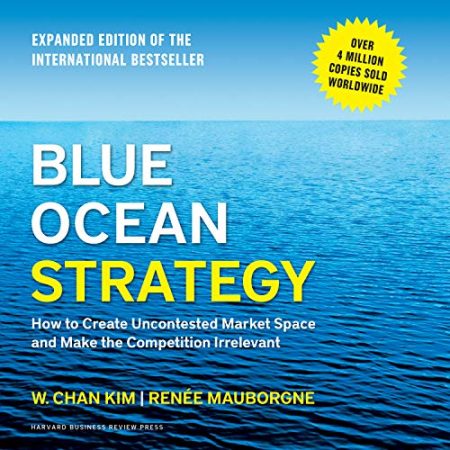
Blue Ocean Strategy has emerged as one of the more popular business strategies in recent memory. Why? The strategy aims to not just improve your competitiveness but to instead make your competition irrelevant.
Rather than beating competitors in markets already gripped in a death struggle, Blue Ocean Strategy suggests that companies create uncontested market space and new industries, or blue oceans.
Those who uncover blue oceans first may enjoy strong growth and minimal competition. They might also define the rules for the new industry.
Sound like pie in the sky? Throughout the essays found in the book “Blue Ocean Strategy Reader,” authors W. Chan Kim and Renee Mauborgne recount past examples of blue ocean success while also offering insights for those looking to uncover the next uncontested markets.
One frequently cited example is the entertainment company Cirque du Soleil, which created a blue ocean in what seemed like a declining red market. Traditional circuses were already going out of style in 1984 when Cirque du Soleil launched a new circus experience that appealed to upmarket patrons who traditionally enjoyed orchestras, ballet, and opera. Kim and Mauborgne argue that by doing so, Cirque du Soleil created a blue ocean.
Facing minimal competition in their blue ocean, Cirque du Soleil has grown from one show in one city to 19 shows spread over 300 cities and is closing in on $1 billion in annual revenues. Meanwhile, Ringling Brothers and Barnum & Bailey both shut down in 2017 after offering traditional circus experiences for nearly 150 years.
The essays in “Blue Ocean Strategy Reader” cover a range of topics and offer actionable insights.

How Public EV Charging Stations Work

A Social Network Just for AI? Bots Chat About Life, Love and More

Driver Dies After Crash While Fleeing Police on I-81

Laurel Ridge Honors Cynthia Schneider as Distinguished Alumna of the Year

New ‘Farm to Fam’ Initiative Launches, Bridging the Gap Between Local Farms and Families in Need

5 Tips for Great Family Easter Photos

Nicotine Pouches: A Worrying New Trend

Annual ‘Taste of Books’ Fundraiser Leads April Lineup at Samuels Library

Scientists Turn Lead Into Gold—But Only for a Moment

Virginia State Police Report Drug Seizures, Firearm Recoveries in Weekly Operation

Children Activities by Samuels Public Library for the Month of April

VDOT: Warren County Traffic Alert for March 30 – April 3, 2026

Front Royal Police Arrest Man in Series of Indecent Exposure Incidents

WCHS DECA Students Shine at State Conference, Advance to Nationals

Expert Tips to Make Spring Cleaning More Efficient

Questions Seniors Ask: Should I Use My IRA to Pay for a Car?

Students Honor Veterans Through EarlyAct Program at E. Wilson Elementary

US Senate Turns Down Photo ID Requirement for Voting, Slammed by Dems as ‘Theatrics’

Imaginations Filled with Dreams on Career Day at E. Wilson Morrison Elementary School

Potential 10-Cent Real Estate Tax Hike on Table as are Shared Town/County Funding of Tourism and EDA Activities

After Past Vetoes, Democratic-Controlled Legislature Sends Virginia Equal Pay Act to Governor

PALS and Parks Partnership Brings Flag Football Back to Warren County

Did You Know Smiling Has Many Benefits?

AI Tools Could Give Phishing Scammers a New Advantage
