
Home
Canine cataracts
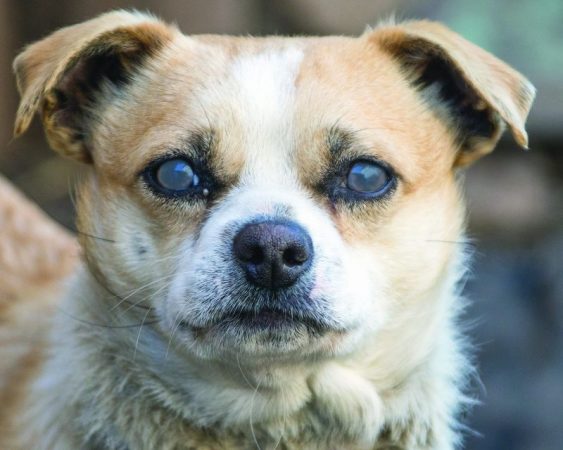
Your faithful companion is 10 years old. He’s in good shape, but you’ve begun to notice something: a white, gray or bluish cloud in his eyes. What’s going on?
A visit to your veterinarian will likely confirm that your dog has cataracts, a relatively common condition among older dogs.
Cataracts occur when proteins in the lens of the eye clump together and cloud an area of the lens. As a result, the passage of light into the eye becomes obstructed.
Small cataracts likely won’t disturb your dog’s vision too much, but if nothing is done about the issue and the lens becomes entirely opaque, your dog will lose his sight.
Causes
The most common cause of cataracts is aging. However, the genetic background of certain breeds, like poodles and Yorkshire terriers, make them more susceptible to hereditary cataracts. Other possible but less common eye issues in canines include retinal diseases and ocular trauma.
Treatments
There are various methods involving medication and/or surgery to slow the progression of cataracts. However, it’s impossible to stall the lens’ natural aging process and the recommended treatment will depend on the stage of the condition.
If you spot cataracts forming in your dog’s eye, visit your veterinarian right away. The sooner your canine gets diagnosed, the better the prognosis.

Uptick in Continued Virginia General Assembly Legislation Reflects Varied Motivations

Mini Quiches with Ham and Swiss Cheese

Tips to Help Employers Sort Job Applications More Efficiently

Town Council Finishes Retreat, Considers Memorandum of Understanding with Smithsonian for Water Conservation

Spanberger Amends, Signs Sweeping Gun Legislation Reshaping Virginia’s Firearm Laws

Governor Pitches Amendments to Prescription Drug Affordability Board Bill That Some Say ‘Nullify’ It

Debate Continues Over Tax Rate as Supervisor Offers New Option

Blue Ridge Wildlife Center Patient of the Week: Eastern Fence Lizard

Joyce Henderson Banks (1941 – 2026)
Accountability Before Adjustment

Supreme Court Ruling Revives Debate Over Conversion Therapy Bans, Including in Virginia

Growing Pains: Rising Diesel, Fertilizer Costs Spurred by Iran War Impact Virginia Farmers

Virginia, Other States Make It Easier for Physician Assistants to Practice

Working Part-Time After Retirement: For the Paycheck — and the Fun

Compressed Air Safety: Why 30 PSI Is the Limit for Cleaning

ORDER OF PUBLICATION: In the Circuit Court for Warren County, Virginia

Local NAACP Recalls Segregated Criser High/Elementary School During ‘Learn From the Past for a Better Future’ Event

Virginia Revenues Top Forecast, But Economic Concerns Remain

Governor Clarifies: Proposed Tax Changes Never Became Law

Driver Runs After Crash, Caught by Police Moments Later

Debate Continues Over Tax Rate as Supervisor Offers New Option

POLICE: 7 Day FRPD Arrest Report 4/13/2026

Spanberger Joins Other Governors in Push for PJM to Prioritize Ratepayer Protections

Cannabis Testing Challenges Persist as Virginia Retail Market Nears
