
Top Stories
Go Red for Women: Raising Awareness for Heart Health in February
February is Heart Month, and Go Red for Women Day is a crucial initiative dedicated to raising awareness about heart disease, the leading cause of death among women. Sponsored by the American Heart Association, this campaign encourages women to prioritize their heart health, recognize the warning signs of heart disease, and take steps toward prevention.
Valley Health is proud to support Go Red for Women Day on February 7, 2025, and invites the community to join in highlighting the efforts to combat cardiovascular disease in women. To mark the occasion, Valley Health’s Heart and Vascular team will be wearing red to show their support and raise awareness.
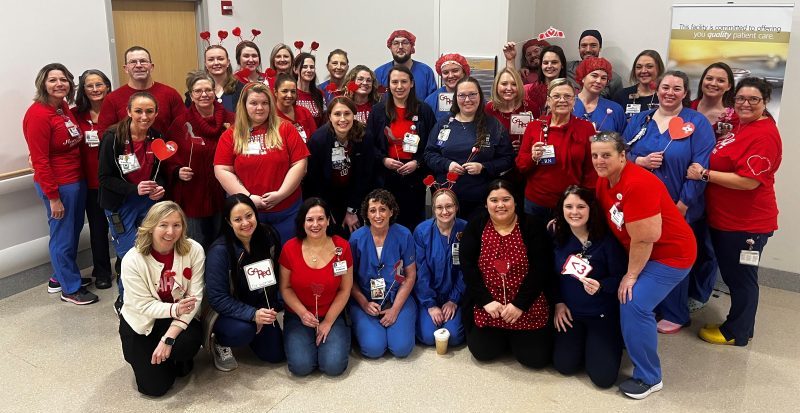
The Valley Health Heart & Vascular team members dressed in red to participate in “Go Red for Women,” a day designated by the American Heart Association to raise awareness of cardiovascular disease in women. Cardiovascular disease is the leading cause of death for women in the United States.
Understanding the Impact of Heart Disease on Women
Cardiovascular disease remains the greatest health threat to women, often going undiagnosed until it’s too late. The statistics are alarming:
- Cardiovascular disease is the number one killer of women, causing one in three deaths each year.
- Nearly 45 percent of women aged 20 and older are living with some form of cardiovascular disease.
- Cardiovascular disease kills more women than all forms of cancer combined.
Kayla Roberts, clinical manager for the cardiothoracic surgical program at Winchester Medical Center, emphasizes the need for women to be proactive in protecting their heart health.
“Many women are natural caregivers, focusing on the health of their families while often neglecting their own,” said Roberts. “Go Red for Women is about reminding them to take care of their hearts, understand the risks, and recognize the symptoms of heart disease before it’s too late.”
Recognizing the Signs of a Heart Attack
Many women do not experience the classic symptoms of a heart attack, such as sudden chest pain. Instead, they may have more subtle or atypical symptoms, including:
- Pain or discomfort in the chest, back, jaw, or arms
- Shortness of breath
- Nausea, dizziness, or extreme fatigue
- A feeling of impending doom or unexplained anxiety
“Many women dismiss their symptoms, thinking it’s stress or indigestion,” Roberts noted. “But those warning signs should never be ignored. If you feel something is wrong, seek help immediately.”
The Importance of Calling 911
Valley Health’s “Survive, Don’t Drive” campaign stresses the importance of calling 911 instead of attempting to drive to the hospital during a medical emergency.
“When you call 911, paramedics can begin treatment immediately and notify the hospital, so a specialized team is ready when you arrive,” Roberts explained. “Time is muscle—delaying treatment can cause irreversible heart damage.”
Simple Steps to a Healthier Heart
Preventing heart disease starts with small, manageable lifestyle changes:
- Schedule annual check-ups to monitor blood pressure, cholesterol, and other risk factors.
- Adopt a heart-healthy diet by eating more fruits, vegetables, and lean proteins while limiting processed foods and excess sodium.
- Stay active with at least 30 minutes of exercise most days—this can be as simple as walking, gardening, or even vacuuming.
- Manage stress through activities like meditation, journaling, or spending time with pets, which have been shown to reduce stress and improve emotional well-being.
Community Resources and Support
Valley Health and the American Heart Association offer educational tools, local wellness events, and heart screenings to help women take control of their heart health. Roberts highlighted an upcoming heart health fair at Apple Blossom Mall later this month, where attendees can receive free blood pressure checks and heart health information.
“Heart disease is preventable in many cases,” Roberts said. “By making heart health a priority today, you can add years to your life.”
For more information on heart disease prevention, visit the American Heart Association’s website, or to learn more about Valley Health’s approach to heart care, please visit Heart & Vascular Care in VA & WV | Experienced Cardiologists

4 Stimulating Activities for a Healthy Brain After 50

The First Amendment: America’s Unique Foundation of Freedom

How to Tackle Credit Card Debt

Summer Enrichment Camp Gives Teens Hands-On Learning Opportunities

VDOT: Warren County Traffic Alert for April 6 – 10, 2026

David Silek to Remain in Chairman’s Seat of WC Republican Committee Pending 6th District Appeal Decision

Sales Set to Bloom Like Daffodils This Spring

America 250: The Bookseller Who Helped Save the Revolution

Business Growth Series: Why Good Businesses Still Struggle to Grow

Brownies with Mini Chocolate Easter Eggs

Shenandoah Downs Opens 11th Season April 11 with Tribute to Roger Hammer

We Don’t Know Everything About DNA

How PAAS Came to Dominate the Easter Egg Dye Tradition

Spanberger Signs Bipartisan School-Safety, Student Support Bills Into Law

Melanie J. Pomeroy (1958 – 2026)

David Benjamin Heller (1990 – 2026)
1776 Wasn’t Just About Independence

Three-Tiered System for Urban Agriculture Based on Lot Size Takes Shape at Town Planning Commission Work Session

Child Abuse Awareness Month Brings Focus to Reporting, Prevention in Warren County

National Dental Hygienists Week: Is Your Oral Care Routine Optimal?

The Coin That Traveled Through Time and Space

One “What If?” Question Is Changing the Future of Farming

AA Speaker to Explain Recovery Program at United Methodist Men’s Dinner
Jeannette M. Hyland (1944 – 2026)
