
Automotive
How to avoid hydroplaning
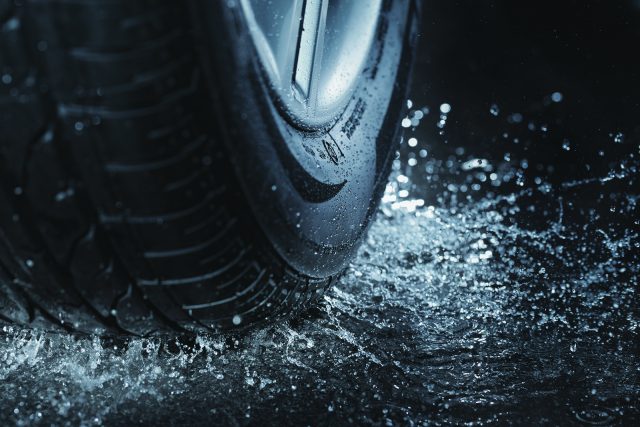
Your car can hydroplane on any wet surface, but it’s most likely to do so during the first ten minutes of a light rainfall. This is because rain stirs up oil and other substances on the road, which then pool and combine to create a slick surface that your tires may not be able to grip.
Drive defensively in the rain
If you’re driving in wet conditions, take these precautions to avoid hydroplaning.
• Slow down. When it starts to rain, reduce your speed. Your car is most likely to hydroplane when it’s moving at faster than 35 miles per hour. You should also avoid suddenly speeding up or slowing down.
• Stay away from standing water. Hydroplaning can occur even if there’s only a small amount of water on the road. If you see standing water, try to avoid it. Chances are, your car will slip or skid if you don’t.
• Turn off the cruise control. It’s best to be in full control of your car when road conditions are challenging. In addition, cruise control can make hydroplaning more dangerous because it prevents you from reducing your speed.
Don’t panic if you hydroplane
If your car does start to hydroplane, remain calm. Take your foot off the gas and slowly turn the steering wheel in the direction the car is turning. Don’t use your brake. You’ll feel it when your car regains contact with the road.
Tires and hydroplaning
The grooves that run along your tires are there to sluice water out of the way and enable your wheels to maintain contact with the road. Having tires that are in good condition can drastically reduce your likelihood of hydroplaning.

Standardbred Owners Ainspan, McDonald Each Score Thoroughbred Wins at Colonial Downs’ Virginia Derby Meet

Most Dangerous Cycling Scenarios Involving Cars

VDOT: Warren County Traffic Alert for March 23 – 27, 2026

Virginia State Police Seize $22.4 Million in Drugs, Recover Firearms in Weeklong Operation

Virginia Home Sales Rise in February as Inventory Grows, Spring Outlook Uncertain

Bing Crosby Stadium Hosts Warren County–Skyline Baseball Battle Tonight

Warren Supervisors Address Audit Contract, Permits, and Property Sale at March 17 Meeting

Here’s How Virginia Lawmakers Suggest the Next State Budget Handle Federal Health Care Funding Fallout

Spring Essentials Checklist: Prepare Your Home for Summer

Virginia Joins National Push for Refunds After US Supreme Court Voids Trump Tariffs

Four Reasons to Consider Hiring a Professional Cleaning Company

Ask the Expert : We Are Applying for a Mortgage Soon. What Kind of Documents Will We Need?

Charles Michael “Rusty” “Chuck” Fischbein (1944 – 2026)

Jerrold E. “Jerry” Groves (1931 – 2026)

Town Planning Commission Moves Forward with Industrial Zoning, Holds Preliminary Discussion of Urban Agriculture

Schools Push for Budget Flexibility, Consistent Funding as Needs Grow

Skyline High Teams, Athletes Successful Seasons and Performances Acknowledged – Oh, and Those Roosters

School Board Seeks to Restore Meals Tax Funding for School Facilities

Wasting Drinking Water: 3 Habits to Eliminate From Your Daily Routine

Medicare Launches TEAM Program to Improve Recovery After Surgery

Izaak Walton League Promotes Conservation and Outdoor Programs at Community Forum

POLICE: 7 Day FRPD Arrest Report 3/16/2026

Blue Ridge Wildlife Center Patient of the Week: Great Horned Owl

Airline CEOs Warn of Travel Strain Amid DHS Funding Uncertainty