
Automotive
A history of roads in Virginia: Into the 80s – new financing and building methods
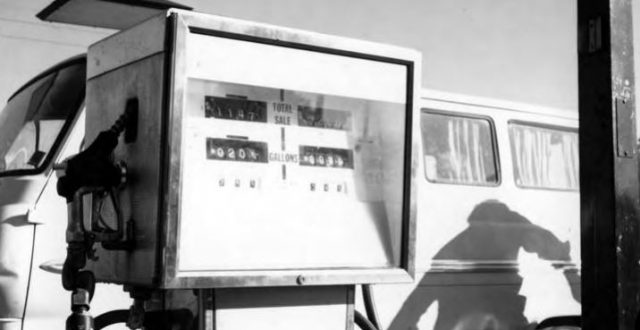
In 1980, the General Assembly approved an increase in the state motor fuel tax to provide millions of dollars more for the highway program.
In Virginia as in other states, the new decade was marked by a highway construction and improvement program caught in a tightening squeeze caused by inflation and a drop in revenue.
The dilemma was compounded by sharply higher maintenance expenses required simply to take care of the existing state road system and its bridges.
As a result, the amount of new construction fell to its lowest level in five years. In the 1978-79 fiscal year, 206 contracts totaling $326.5 million were awarded for work on 215 miles. The following year, the commission was able to award only 143 contracts, amounting to $190.6 million, to build or improve 90 miles of the system.

Without some action, it was estimated that by 1991 maintenance costs would take all the revenue generated by the gas tax, leaving no money at all for new construction.
Not only were construction funds decreasing, they were on a roller coaster ride. They plunged from $233 million in 1975 to $117 million two years later, only to rebound to $200 million in 1980 and then to drop again, to $95 million in 1982. Meaningful planning became impossible.
Coupled with spiraling costs, income from state highway-user taxes dropped below levels anticipated and appropriated.
Commissioner Harold C. King, a former Federal Highway Administration official who had been appointed to the state position in 1978, reported on the overall situation in a December 1979 letter to Gov. John N. Dalton and members of the General Assembly:

“Virginia’s highway construction and improvement program is in jeopardy. It is entirely possible that within the 1980-82 biennium, it will become necessary to forego any new state-financed improvements, and to reserve state construction money to match federal aid. In the 1982-84 biennium, it may be impossible to match federal aid, thus risking the loss of millions of dollars needed to complete our interstate routes and to improve bridges and other existing highway facilities.”
After much consideration, the 1980 General Assembly approved a 2-cents-a-gallon increase in the state motor fuel tax. The increase provided approximately $576 million more annually for the state highway program.
Barely had the state legislative session ended, however, when federal authorities announced the curtailment of the federal-aid program nationwide, dealing a second blow to an already sparse transportation budget.
After extensive conferences with federal authorities, the commission was authorized to begin projects totaling about $126 million, some $16 million below the level anticipated before the cutback was imposed.

By 1980, Virginia continued to maintain the nation’s third-largest highway system, with 52,600 miles of interstate, arterial, primary, and secondary roads, behind only North Carolina and Texas.
In addition, the state provided financial aid to 67 cities and towns with populations over 3,500 to assist them in maintaining about 8,100 miles of local streets.
At the beginning of the decade, the state system also included approximately 12,000 bridges, with approximately 500 more bridges within the municipalities. Even in a time of high fuel prices, motorists drove an average of more than 100 million miles daily on state highways and streets.
Approximately 3.2 million Virginians were licensed drivers in 1980, and 4 million motor vehicles were registered.

Produced by the
Virginia Department of Transportation
Office of Public Affairs
1401 E. Broad Street
Richmond, VA 23219
VirginiaDOT.org




UVA Health Review Examines Real-World Results of Incisionless Liver Tumor Treatment

Maximilian James Donora (1995 – 2026)

Dollars for Dolly Campaign Aims to Turn Small Gifts Into Big Community Impact

Clean Virginia: NextEra’s Utility Takeover Attempts, Alleged Political Moves Relevant to Merger Case

Commentary: If You Enjoy Virginia’s Wildlife, Thank a Hunter or Angler

Spanberger Presses Congress for AI Guardrails as States Forge Ahead

‘Drive Them Into Hell’: Trump Ponders Destruction of Iran at United Nations

National Chicken Month Celebrates a Versatile Source of Protein

Face Paint That Can Read Your Heartbeat

Leisa Wood (1961 – 2026)

GO VOTE: Because Complaining Alone Isn’t a Good Strategy

The Third Most Important Gift Is Laughter

Skates, Treats and Safety: Warren County Sheriff’s Office Foundation Pack October with Community Events

Celebrate Kids Day Returns Sept. 27 With Family Fun, Activities and a New Train Ride

Survey Finds That More Than Half of Virginia Families With Children Face Food Insecurity

Could Virginia’s New Law Allowing 1% Sales Tax for School Construction Need a Fix?

Now They Want to Rein It In

From Oil Field to Gas Pump: What Really Determines What We Pay?

When Fields Flood: How Farmers Protect Crops and Plan for the Future

Draw Your Circles: A Map of the People Who Matter

A Heartfelt Farewell and Thank You
Data Centers Are Necessary. That Doesn’t Mean Warren County Needs One

Diesel Prices Shoot Upward as Top Farm-State GOP Senator Begs Trump for Export Embargo

From One Barrel of Oil: What Do We Actually Get?
