
Interesting Things to Know
Longing for liberty
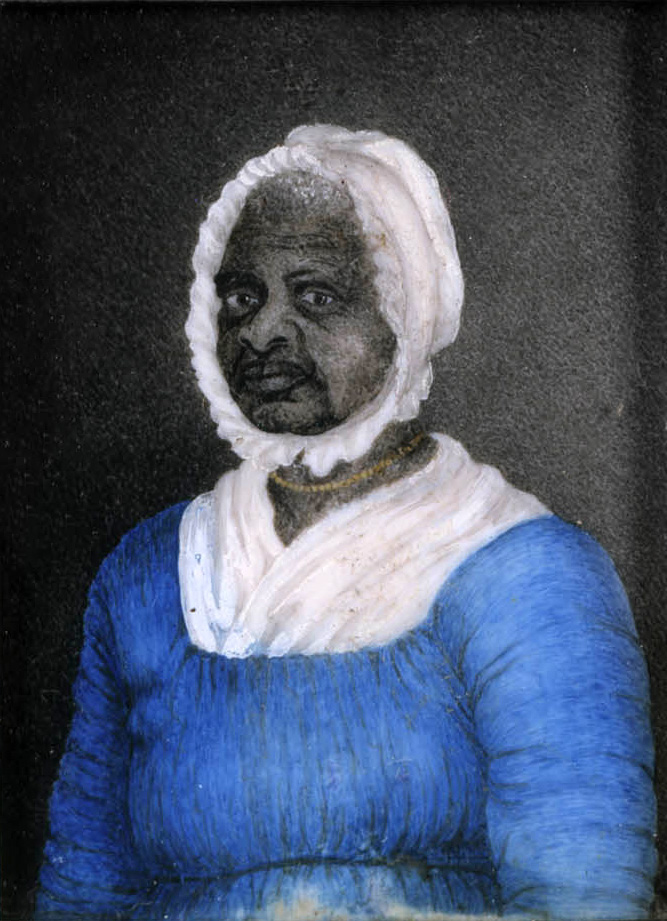 In the years after the American Revolution, the words equality and liberty were on the lips of people everywhere as newly minted states wrote them large in their constitutions.
No one understood the words better than Mum Bett, a woman enslaved to a Massachusetts judge. She heard the judge and his friends discussing the new state constitution and she took note of their words: All men are born free and equal and have certain natural, essential, and unalienable rights. She took the words so seriously that in 1781 she walked out of her slaveholder’s home, and she took those words to court.
In what was to be the first legal test of slavery in America, Mum Bett and her attorney found the courts “willing to consider that …slaves might be free and thus entitled to the same legal rights as anyone else,” according to the book “Written out of history: The
forgotten founders who fought big government” by Mike Lee.
The jury of Massachusetts citizens agreed with Mum Bett.
Mum Bett won the case plus damages. She walked in the world as a free woman. She immediately changed her name to Elizabeth Freeman. She then accepted a paid position as a housekeeper and nanny for her lawyer, Theodore Sedgwick, where she worked until she retired to her own home, bought and paid for with wages earned from her work.
Reflecting later on her life, Freeman said, “Anytime, anytime while I was a slave, if one minute’s freedom had been offered to me, and I had been told I must die at the end of that minute, I would have taken it, just to stand one minute on God’s earth a free woman, I would.”
In 1829, Elizabeth Freeman died free in her own home and was buried in the Sedgwick family plot.

Uptick in Continued Virginia General Assembly Legislation Reflects Varied Motivations

Mini Quiches with Ham and Swiss Cheese

Tips to Help Employers Sort Job Applications More Efficiently

Town Council Finishes Retreat, Considers Memorandum of Understanding with Smithsonian for Water Conservation

Spanberger Amends, Signs Sweeping Gun Legislation Reshaping Virginia’s Firearm Laws

Governor Pitches Amendments to Prescription Drug Affordability Board Bill That Some Say ‘Nullify’ It

Debate Continues Over Tax Rate as Supervisor Offers New Option

Blue Ridge Wildlife Center Patient of the Week: Eastern Fence Lizard

Joyce Henderson Banks (1941 – 2026)
Accountability Before Adjustment

Supreme Court Ruling Revives Debate Over Conversion Therapy Bans, Including in Virginia

Growing Pains: Rising Diesel, Fertilizer Costs Spurred by Iran War Impact Virginia Farmers

Virginia, Other States Make It Easier for Physician Assistants to Practice

Working Part-Time After Retirement: For the Paycheck — and the Fun

Compressed Air Safety: Why 30 PSI Is the Limit for Cleaning

ORDER OF PUBLICATION: In the Circuit Court for Warren County, Virginia

Local NAACP Recalls Segregated Criser High/Elementary School During ‘Learn From the Past for a Better Future’ Event

Virginia Revenues Top Forecast, But Economic Concerns Remain

Governor Clarifies: Proposed Tax Changes Never Became Law

Driver Runs After Crash, Caught by Police Moments Later

Debate Continues Over Tax Rate as Supervisor Offers New Option

POLICE: 7 Day FRPD Arrest Report 4/13/2026

Spanberger Joins Other Governors in Push for PJM to Prioritize Ratepayer Protections

Cannabis Testing Challenges Persist as Virginia Retail Market Nears
