
Legislative Update
Making the case for industrial hemp – Congressman Bob Goodlatte
Industrial hemp isn’t a new crop. In fact, hemp production was prevalent at the very beginning of our nation. Our Founding Fathers grew hemp for its fiber, and it was one of the largest cash crops in Colonial America. Thomas Jefferson even directed that “an acre of the best ground” at his Poplar Forest estate in Bedford County be kept as a permanent hemp patch. More recently, during World War II the federal government created a “Hemp for Victory” campaign to encourage cultivation of hemp fiber for the war effort.
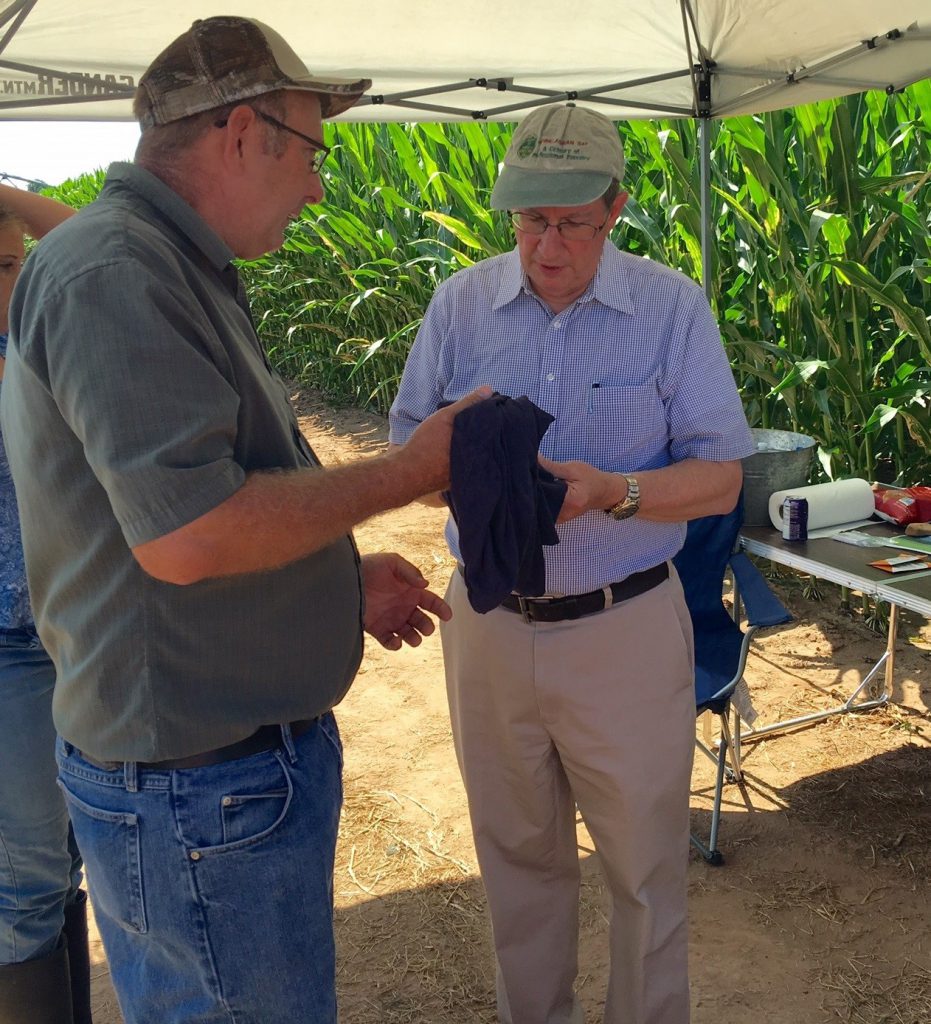
Examining fabric made from hemp fiber – one of the many uses of this crop.
However, despite the thousands of uses for hemp, including fabrics, paper, auto parts, carpet, construction materials, food, nutritional supplements, and cosmetics, commercial production of industrial hemp is no longer legally allowed in the United States.
Unfortunately, industrial hemp is often associated with its more well-known and dangerous cousin, marijuana. While marijuana is cultivated for its psychoactive effect, hemp is an agriculture crop cultivated for its fiber – you cannot get a “high” from it. The two varieties of cannabis are extremely different, and should not be lumped into the same category.

Frankly, leaving commercial industrial hemp production in the United States off the table is a missed opportunity. Hemp products are popular in the United States, but because of our nation’s restrictions, they have to be imported from countries like Canada and China. Some studies show that the sale of hemp products in the United States totaled over $600 million in 2016. Why not allow farmers in Virginia and across the country to tap into this market potential?
I’ve met many Virginia farmers who are ready to commercially produce and create a market for industrial hemp in the United States, but outdated, though well-intentioned, federal restrictions on the cultivation and commercialization of this crop stand in the way. That’s why I recently introduced the bipartisan Industrial Hemp Farming Act along with Congressmen James Comer (R-Ky.), Jared Polis (D-Colo.), and Thomas Massie (R-Ky.).
The Industrial Hemp Farming Act, which falls partly under the jurisdiction of the House Judiciary Committee, removes industrial hemp from the definition of a controlled substance and gives states the authority to carry out responsible hemp cultivation programs, should they so choose. The bill also permits increased research opportunities on hemp production at state departments of agriculture and universities.
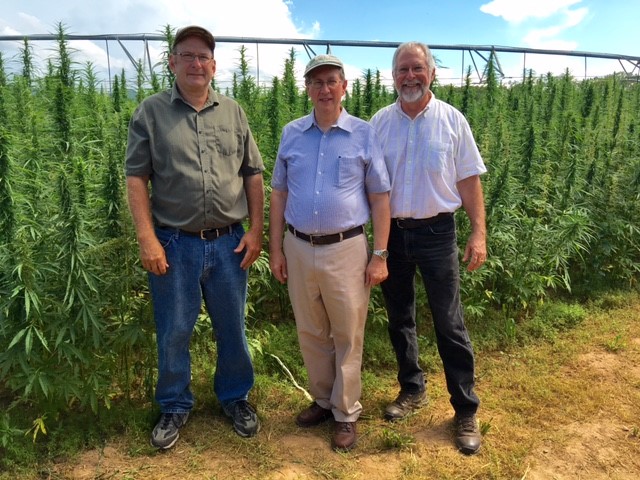 Last year, I had the opportunity to visit the Rockingham County farm of a participant in James Madison University’s industrial hemp research program to see firsthand how this crop is grown and harvested (Pictured on the above). As I have talked with farmers and researchers and learned more about hemp’s uses, it has become abundantly clear to me that we should take steps to start the responsible commercial production of industrial hemp in the United States. The Industrial Hemp Farming Act is the product of many months of robust discussion between lawmakers and stakeholders. I look forward to moving this legislation through the House, and opening up a new opportunity for America’s farmers and economy.

NEW – Rapid DNA Act signed into law! This bipartisan bill updates current law to allow Rapid DNA analysis machines to be used at local police stations. Rapid DNA technology expedites DNA analysis for suspect identification purposes and allows local law enforcement to accurately identify a suspect in 90 minutes.
Helping Out at Feeding America’s Foodie Truck
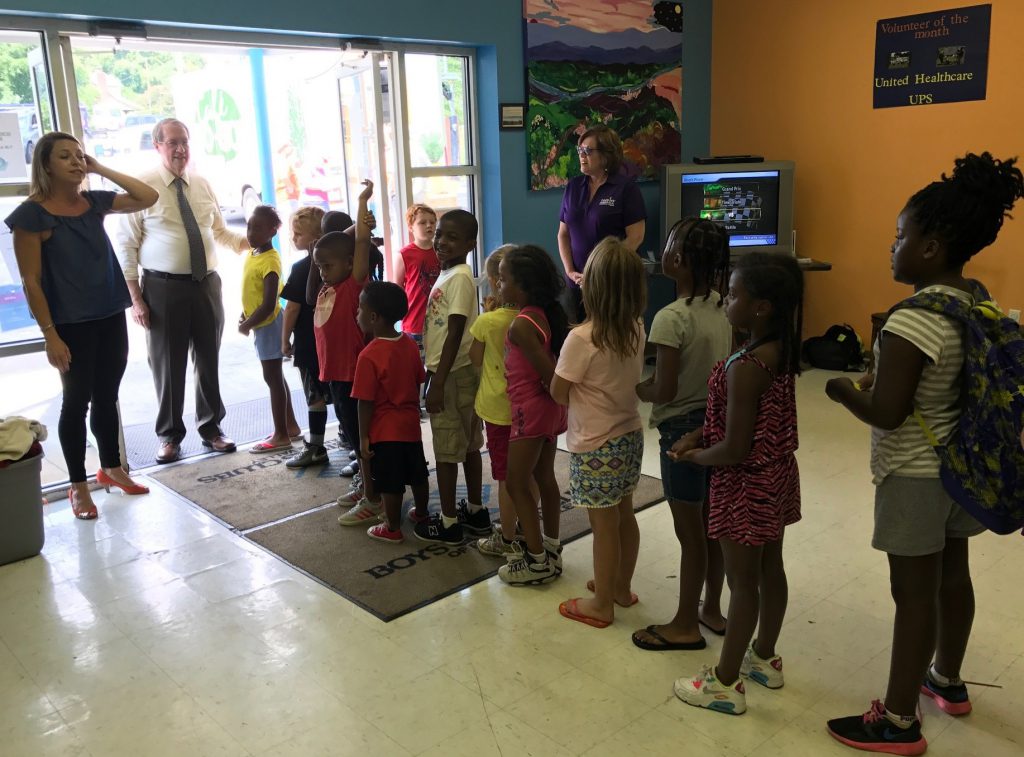
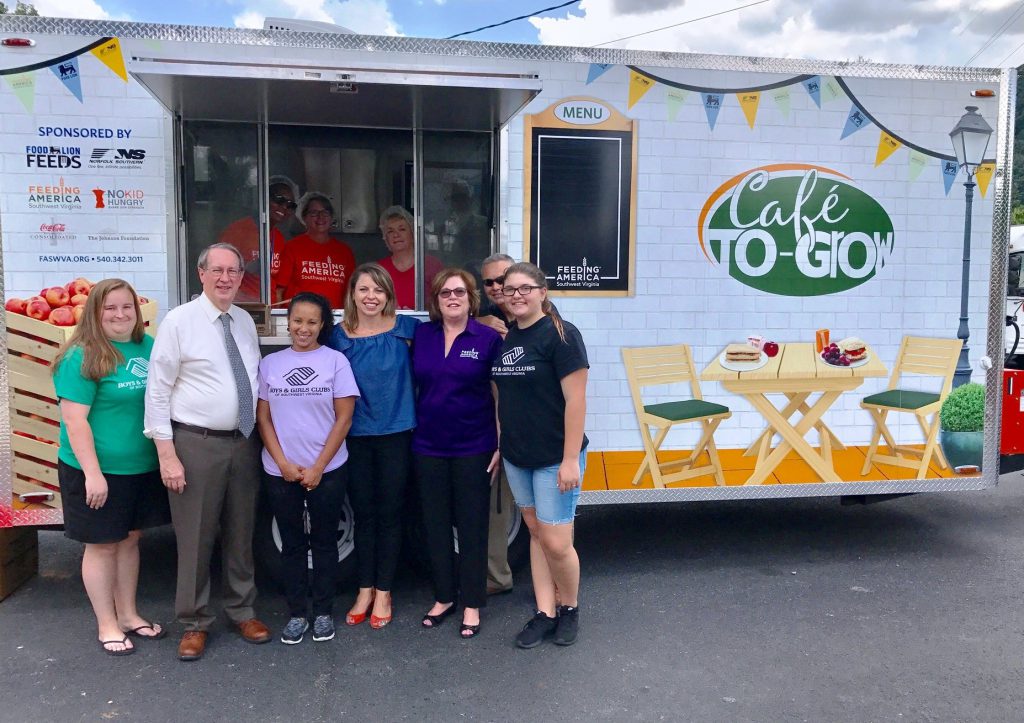 Recently, I had the opportunity to help out at Feeding America Southwest Virginia’s new Cafe to Grow foodie truck. Over the summer, they’ve served lunch at several locations in the Roanoke community as part of their Summer Food Service Program. I joined them for a stop at the Boys and Girls Club. This is a great resource for the community.
The First Air Force One
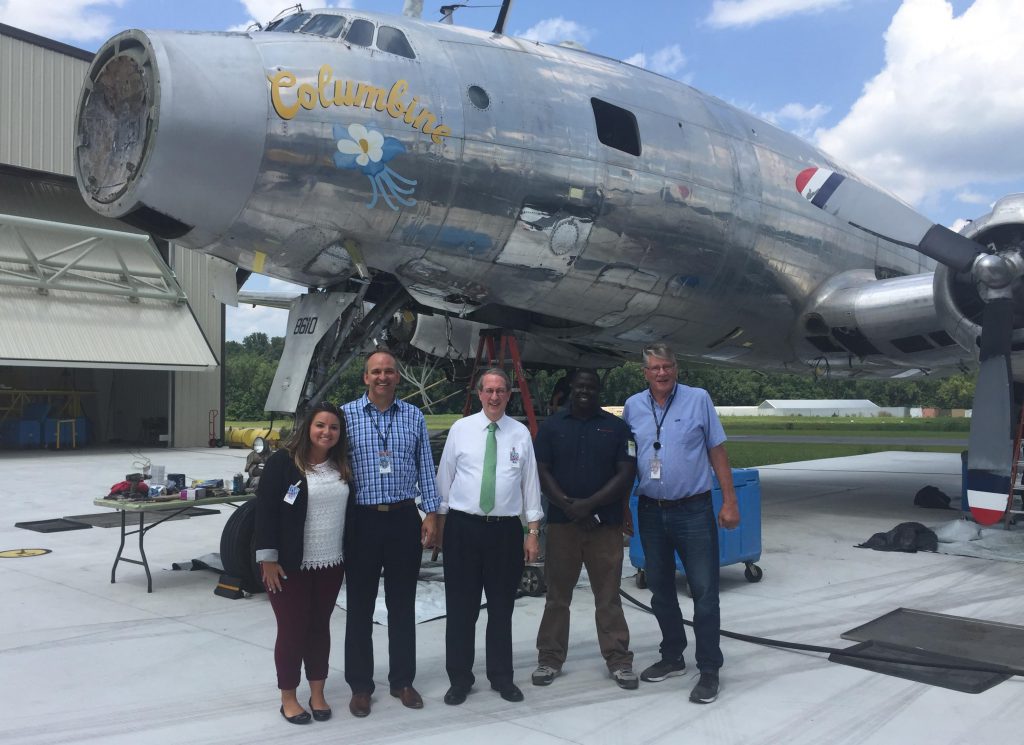 Did you know that the first Air Force One is in the Sixth District? On a tour of Dynamic Aviation in Rockingham County, I got to see the first plane designated “Air Force One” — President Dwight D. Eisenhower’s plane, the Columbine II. Thanks to the team at Dynamic Aviation for showing me this piece of history!

Should you have further questions, please visit the “Contact Bob” section of my website or call (202) 225-5431.




Mayor Lori Athey Cockrell Looks to Water, Economic Development and Rail Trail in Another Term

WCHS vs. Brentsville HS – Girls Volleyball – October 6, 2026

BMI Is Only One Piece of the Health Picture

The Eye Surgery Factory That Could Not Expand

Ancient Ownership of Israel

VDOT: Warren County Traffic Alert for October 5 – 9, 2026

Reaching Out Now Expands Programs and Opportunities for Warren County Youth

Dance and Arts VA Finds New Home, New Opportunities on Water Street

Ann L. Shuman (1933 – 2026)

Wendy Lee Whitacre-Stout (1966 – 2026)

Spanberger’s Energy Plan Keys in on Clean Energy to Meet Growing Demand and VCEA Goals

Jean Elizabeth Grubbs Fogle (1939 – 2026)

Feds Provide Guidance on New Federal K-12 Scholarship Tax Credit Program

Why Wait Till November? Mid-Term Election Early Voting Processes in Place Now

US Senate Leaves Nation’s Capital in Advance of Midterms With Much Still Undone

Business Growth Series: If You Don’t Control Your Day, It Controls Your Business

The End of a 20-Year Monopoly on the Credit Score
Voltron and Immigration

States OK Solar Panels for Balconies. Safety Guidelines Haven’t Caught Up

Trump TV Ads Paid for with $20M in Homeland Security Funds, Dems Find

Blue Ridge Wildlife Center Patient of the Week: Gray Treefrog

Birthday Twins: See Which Famous Face Shares Your Big Day

Meet-and-Greet Set Sunday for Republican-Endorsed Front Royal Candidates

Barbara Ann Mathews Smelser (1943 – 2026)
