
Automotive
The pros and cons of manual cars
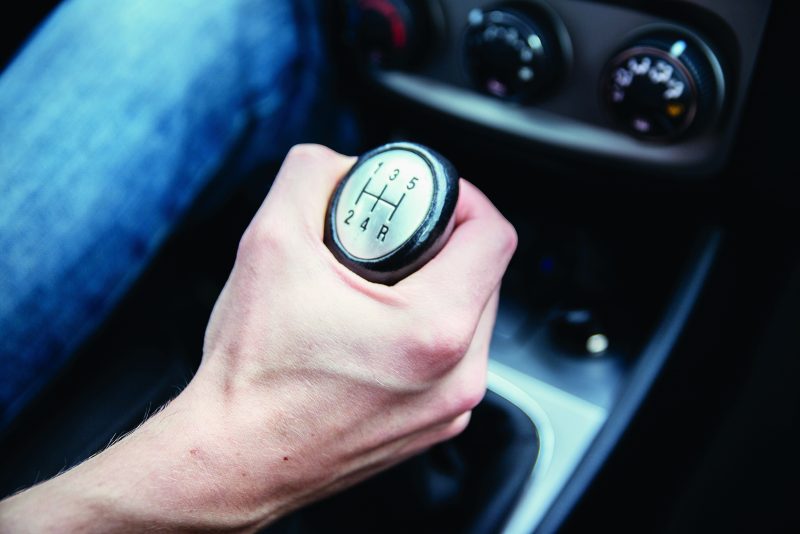
Although less common than they used to be, manual-transmission cars, with their gearboxes and clutch pedals, remain popular among a passionate subset of drivers. If you’re thinking about joining the club, here are the pros and cons of driving a stick.
What are the perks?
Manual cars have several notable advantages over their automatic counterparts, including the following:
• Greater control. A manual car will provide you with full power over accelerating and braking. This isn’t the case with an automatic, as the torque converter constantly propels the vehicle forward.
• Simpler maintenance. Manual transmissions are less complex than automatic transmissions. As a result, they generally require less frequent servicing and are cheaper to repair.

• Improved gas mileage. Having more control over your engine allows you to optimize fuel economy. An efficient driver of a stick shift can improve their gas mileage by as much as 15 percent.
• Lower price. Except for high-end sports cars, stick shifts usually cost less than their automatic counterparts.
What are the drawbacks?
There are also some potential downsides to opting for a stick shift:
• Steeper learning curve. It takes some initial instruction and practice to be able to drive a manual car. Drivers can expect to stall, jerk and face other obstacles when just starting out.

• Greater demands on your attention. Driving a stick requires more focus and an ability to multitask. In addition, it can be tedious if you’re frequently in stop-and-go traffic, as you’ll constantly have to shift gears.
• Smaller selection. Stick shifts are harder to come by than automatics, with only 13 percent of new cars sold in North America offering a manual-transmission option.
Do you think you’d enjoy driving a stick? If so, consider taking a few driving lessons. You’ll be able to learn the basics and see whether it suits you.




Middletown Man Killed In I-81 Crash In Frederick County

Cline Backs Veteran Cancer Screening Effort, Highlights Sixth District Programs

Sheriff Cline Details Flock Safeguards, Uses and Limits at Warren County Work Session

Flock Safety: A Tool for the Common Good

Melissa Ichiuji Studio Gallery Reopens With Two Fall Exhibitions

Just Hours Away: Festival Of Leaves Returns To Downtown Front Royal Saturday

Sheriff’s Office Addresses Use of ‘ALPR’ Cameras – Health Insurance, 4-H Week, and Parks & Rec Events Also Presented

Before Relying on a Model, Look at the Assumptions

The Question Is Not Which Apple Tastes Best

Brian Anthony Lamb (1980 – 2026)

Mary Brinham Walton (nee Arnold) (1947 – 2026)

Sandra Jo Alger (1941 – 2026)

All Warren County Schools Fully Accredited as State Releases New Performance Results

This Week’s Showtimes at Royal Cinemas as of October 9th

Samuels Public Library to Expand ‘Library of Things’ With $2,000 Grant

Ask Stewart: Why Do Leaves Turn Different Colors in the Fall?

After Statewide Tour, Virginia Lt. Gov. Hashmi Officially Opposes Dominion-NextEra Merger

Virginia Republicans Urge Spanberger to Call Special Session for Fuel-Tax Holiday

Kratom, 7-OH Laws Diverge Amid the Spread of Potent Synthetic Products

WCHS vs. Manassas Park – Varsity Football – October 9, 2026

A Golf Hazard With an Appetite

Lantern Tours Bring Stories Of New Market Battlefield To Life Oct. 24

Pork And Apples Have A Long-Standing Romance

Israel from Saul to Rome
