
Health
The top objects that changed safety, culture, and health
 One hundred objects have shaped public health and safety for the last 100 years, says Johns Hopkins Bloomberg School of Health.
On its Global Health Now Website, the school describes all 100 objects, some weird, some obvious, to celebrate its centennial. (globalhealthnow.org)
Here are some important ones:
Bike helmets – They have been around since 1860 but in wide use only since 1975. Helmet use reduces the odds of severe head injury by 50 percent. Since 1975, annual bicycle deaths have dropped about 25 percent.
Fly swatters – Imagine a more humble object that does so much. This was the invention of a Kansas Boy Scout troop that nailed spare pieces of window screen to yardsticks. The swatters were free at the Kansas State Fair. The swatter has been pivotal in the public health campaign against flies, which carry typhoid, cholera and infections.
Hard hat – So effective and necessary, hard hats have become virtually the icon of modern safety. First used by construction workers in the 1900s, the hard hat has evolved from hardened tar into the tough plastic gear we know today. Their suspended interior adds extra protection from falling objects. Their use in construction is now law.
Safety goggles – About 2,000 workplace eye injuries occur every day. About 70 percent are caused from flying or falling objects. Safety goggles alone prevent (or just make less severe) about 90 percent of these injuries.
Horseshoe crab – The blue blood of the horseshoe crab contains a critical agent for detecting deadly bacteria. The blood compound is so sensitive that it can detect the equivalent of one grain of sand in a swimming pool. In an era of chemical imitations of many natural things, the blood of the horseshoe crab has never been replicated. More than 600,000 are caught each year and bled. About 20 percent die in the process. The rest are returned to the sea.
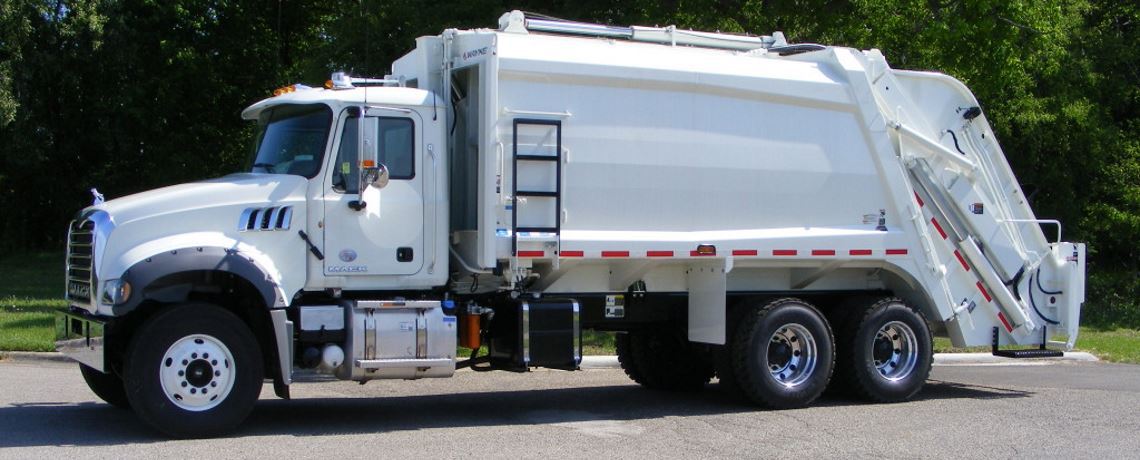
Garbage Trucks – Arguably one of the innovations that made modern life possible, the garbage truck allows us to take trash off the streets, out of sewers and rivers and out of sight and smell. That’s a good thing because each American generates about 7 pounds of trash every day. The first hydraulic garbage truck was patented in 1938.

Summer Enrichment Camp Gives Teens Hands-On Learning Opportunities

VDOT: Warren County Traffic Alert for April 6 – 10, 2026

David Silek to Remain in Chairman’s Seat of WC Republican Committee Pending 6th District Appeal Decision

Sales Set to Bloom Like Daffodils This Spring

America 250: The Bookseller Who Helped Save the Revolution

Business Growth Series: Why Good Businesses Still Struggle to Grow

Brownies with Mini Chocolate Easter Eggs

Shenandoah Downs Opens 11th Season April 11 with Tribute to Roger Hammer

We Don’t Know Everything About DNA

How PAAS Came to Dominate the Easter Egg Dye Tradition

Spanberger Signs Bipartisan School-Safety, Student Support Bills Into Law

Melanie J. Pomeroy (1958 – 2026)

David Benjamin Heller (1990 – 2026)

1776 Wasn’t Just About Independence

Three-Tiered System for Urban Agriculture Based on Lot Size Takes Shape at Town Planning Commission Work Session

Child Abuse Awareness Month Brings Focus to Reporting, Prevention in Warren County

National Dental Hygienists Week: Is Your Oral Care Routine Optimal?

The Coin That Traveled Through Time and Space

One “What If?” Question Is Changing the Future of Farming

AA Speaker to Explain Recovery Program at United Methodist Men’s Dinner
Jeannette M. Hyland (1944 – 2026)

Allen William Derflinger II (1959 – 2026)

Warehouse Clerk: A High-Demand Job—Even With Robots

FDA Cracking Down on Compounded GLP-1 Drugs
