
Health
CDC Monitors Rise in Cyclosporiasis Cases as Summer Produce Season Begins
Federal and state health officials are investigating an increase in cyclosporiasis cases across the United States as the peak season for the foodborne illness gets underway.
According to the Centers for Disease Control and Prevention (CDC), 145 people in 17 states became sick with cyclosporiasis after eating food in the United States between May 1 and June 16, 2026. Twenty people required hospitalization, but no deaths have been reported.
The Virginia Department of Health (VDH) is also investigating an increase in illnesses associated with the parasite and is working with local health districts to identify possible sources. Investigators are interviewing patients, reviewing recent food histories, and testing samples at the state’s public health laboratory.
At this time, health officials say there is no evidence of a single nationwide outbreak. Instead, several separate clusters of illness are under investigation, while other reported cases have not yet been linked to a common source.

What Is Cyclosporiasis?
Cyclosporiasis is an intestinal illness caused by the microscopic parasite Cyclospora cayetanensis. Although it was first identified in humans in 1979, it has become increasingly recognized in the United States over the past two decades through improved testing and disease surveillance.
Unlike many stomach illnesses, cyclosporiasis is not spread directly from person to person.
People infected with the parasite pass it in their stool, but the parasite must spend several days or even weeks in the environment before it becomes capable of infecting someone else. Most infections occur when people consume contaminated food or water.

Fresh Produce Often Implicated
Over the years, U.S. outbreaks have frequently been traced to imported fresh produce.
Foods previously associated with cyclosporiasis outbreaks include:
- Fresh raspberries
- Basil
- Cilantro
- Romaine lettuce
- Snow peas
- Salad mixes
Health officials emphasize that identifying the source of an outbreak can take weeks because fresh produce is highly perishable and often consumed long before illnesses are reported.

The Food and Drug Administration (FDA) is assisting the CDC and state health departments with traceback investigations to determine whether any common food items are linked to current illnesses.
Peak Season Is Now Underway
Cyclosporiasis cases occur year-round but increase sharply during late spring and summer.
The CDC considers the primary cyclosporiasis season to run from May 1 through Aug. 31, when fresh produce consumption is highest and previous outbreaks have most often occurred.

The agency continues to monitor cases throughout the year for signs of multistate outbreaks.
Symptoms Can Last for Weeks
Symptoms usually develop about one week after consuming contaminated food or water.
Common symptoms include:

- Frequent watery diarrhea
- Loss of appetite
- Weight loss
- Stomach cramps
- Bloating
- Gas
- Nausea
- Fatigue
- Low-grade fever
Unlike many foodborne illnesses, which resolve within a few days, cyclosporiasis symptoms may last several weeks and sometimes improve before returning if left untreated.
Some infected people have no symptoms but can still test positive.
Diagnosis Requires Special Testing
Because symptoms resemble those of many other gastrointestinal illnesses, routine stool testing may not detect Cyclospora.
Healthcare providers typically must specifically request testing for the parasite.
The illness is readily treated with prescription antibiotics, most commonly trimethoprim-sulfamethoxazole (TMP-SMX). People who cannot take sulfa medications should consult their healthcare provider about alternative treatment options.
Virginia Investigating Cases
The Virginia Department of Health said local health districts are interviewing people who became ill to determine where they may have been exposed.
State laboratory staff are also testing samples to confirm infections and assist with the ongoing investigation.
Physicians are required to report confirmed cases of cyclosporiasis to public health authorities under Virginia’s reportable disease regulations.
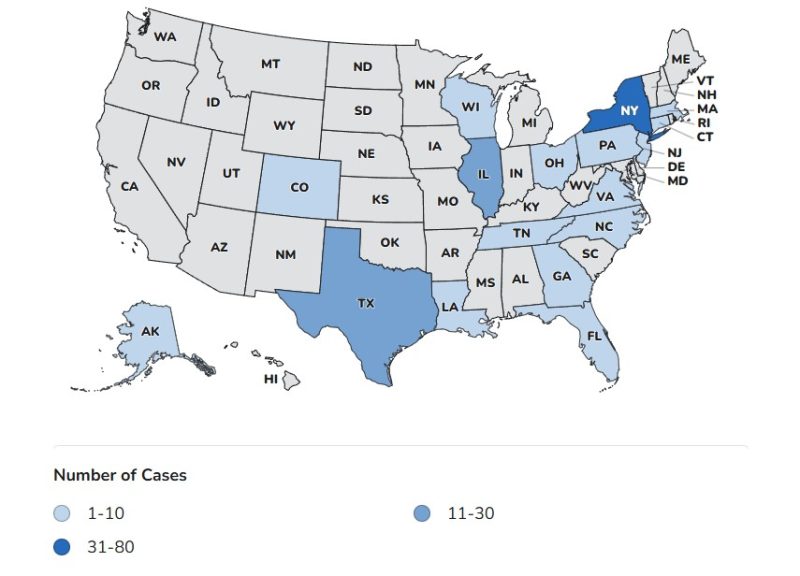
Current Numbers
As of June 16, the CDC reported:
- 145 U.S.-acquired cases in 17 states.
- 20 hospitalizations.
- No deaths.
- Patients ranged in age from 5 to 86 years, with a median age of 42.
- About 61% of patients were female.
An additional 45 travel-associated cases were reported among people who became infected while traveling outside the United States.
Protecting Yourself
While investigators continue searching for the source of current illnesses, health officials recommend practicing good food safety.
Consumers should:
- Thoroughly wash fresh fruits and vegetables before eating them.
- Refrigerate perishable produce promptly.
- Wash your hands before preparing food.
- Seek medical care if diarrhea lasts more than a few days or becomes severe.
Anyone experiencing symptoms of cyclosporiasis should contact a healthcare provider. Early diagnosis can shorten the illness and help public health officials identify potential sources before additional people become sick.




This Week’s Showtimes at Royal Cinemas as of August 20th

Spanberger Signs Executive Order to Boost Virginia’s Emergency Preparedness

Middletown Secures Third Straight Virginia Trees for Clean Water Grant

Warren Coalition Plans Recovery Month Kickball Game, Picnic to Support Local Recovery

Blue Ridge Wildlife Center Patient of the Week: Common Raven

DOJ Probes William & Mary Over Alleged Race-Based Scholarship Policies

Royal Oak Computers Moving After 35 Years in Downtown Front Royal

Why You May Feel Younger Than Your Actual Age

Virginia Launches 25th Anniversary ‘Drive Sober or Get Pulled Over’ Campaign

Selah Theatre Project to Open New Winchester Arts Center With ‘Come From Away’

Alongside Kiggans, US House Speaker Says Virginia’s 2nd District ‘Will Determine the Fate of the Country’

Virginia Secures $17 Million to Upgrade Rail Service and Improve Transportation Infrastructure

Mice May Drive Lyme Disease More Than Deer

College Football 2026: You Can Taste the Excitement!

Fall Is the Buyer’s Season — Start Now, Be Home by Christmas

AI Investment Boom Reaches Historic Scale, but Returns Remain Uncertain

Antique Tractor Preservation Day Celebrates the Machines and Families That Built Modern Agriculture

Shenandoah County School Naming Dispute Should Be Settled Through Mediation

Valley Health Unveils Mobile Mammography Unit to Expand Rural Screening Access

The Importance of Local Pride

Federal Judge Denies Hemp Entrepreneurs’ Request to Overturn Virginia’s New THC Limit

Dylan Wayne Mauck (2002 – 2026)

Hampton Leaders Cool to Limited Army Corps Flood Solutions

As Virginia Officials Weigh Data Center Pushback, Report Details Industry’s Public Service Funding
