
Interesting Things to Know
National Hurricane Preparedness Week – May 3 to 9, 2020
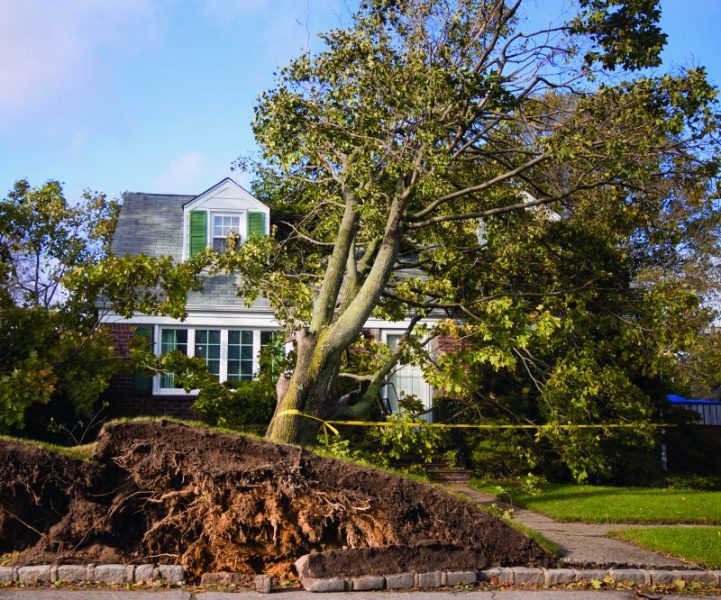
National Hurricane Preparedness Week takes place this year from May 3 to 9 and is an opportunity for Americans to learn about the five major hazards associated with hurricanes. Determining which of these pose a threat to your community is a crucial part of preparing your household for hurricane season.
1. Strong winds
Hurricane-force winds range from 75 to upward of 150 miles per hour, even as the storm moves inland. At these speeds, wind can severely damage buildings and power lines. Uprooted trees can block roads and debris may sail through the air.
2. Inland flooding
As a hurricane moves inland and slows, it produces more torrential rainfall. This increases the risk of flash floods and long-term flooding. Mountainous terrain can also increase the amount of rainfall produced by a hurricane.
3. Storm surge
Hurricane-force winds can cause an abnormal rise in the coastal sea level, sometimes upward of 20 feet. A storm surge can travel several miles inland and pose a threat to life and property. This hazard is often exacerbated by natural tides.

4. Rip currents
Storm surges and strong winds may create dangerous waves along the coast. When the waves break, they can produce deadly rip currents. These narrow, powerful channels of fast-moving water can pull even the strongest swimmers away from shore.
5. Tornadoes
Hurricane weather conditions include the two ingredients needed to produce a tornado: warm, moist air, and wind shear, a phenomenon characterized by abrupt changes in wind direction and speed. Tornadoes typically form within the outer edges of a cyclone.
For information on how to best prepare for a hurricane, consult the National Weather Service website at weather.gov/wrn/hurricane-preparedness.




Oatmeal: Why Some Swear by It and Some Swear at It

This Week’s Showtimes at Royal Cinemas as of July 24th

Marcelene Fay “Marci” Pinion (1958 – 2026)

Buford “Bo” Lynn Kibler (1942 – 2026)

A Path to Fiscal Responsibility and Public Wellness

Moving Data Center Regulations and Permitting Forward a Dominant Topic of Conversation for County’s Elected Officials

Screen Rules That Actually Work

Blue Ridge Wildlife Center Patient of the Week: American Barn Owl

After Taking Off in Charlottesville, Feds Plan National Electric Aircraft Charging Network Rollout

POLICE: 7 Day FRPD Arrest Report 7/20/2026

FDA: Taylor Farms iceberg lettuce sample produced a false positive for cyclospora

Data Centers Want to Build Their Own Gas Turbines. Would That Skirt State Renewable Energy Laws?

Legal Notice: Virginia Alcoholic Beverage Control (ABC) Authority

Removing a Senator
The Dillon Rule Doesn’t Say What Mr. Cuddeback Implies

Test Your Balance Before the Job Tests It for You
Legal Notice: Virginia Alcoholic Beverage Control (ABC) Authority

Late On Rent? New Virginia Law Gives Tenants More Time and Protection From Eviction

Virginia Schools Gain Spending Flexibility Under Federal Program

Three Useful Car Gadgets for a Better Summer Road Trip

When He Retires, Who Runs the Kitchen?

State of the Assistants: The Second Great Voice-Assistant War

Front Royal Family Practice Files $5-Million Civil Claim Against Valley Health and Warren Memorial Hospital

Virginia Violent Crime Fell Nearly 6% in 2025, State Police Report Shows
