
Local News
Blue Ridge Wildlife Center Patient of the Week: Eastern Gray Squirrel
Found a Baby Squirrel? Here’s What to Do.
With all of the heavy storms we’ve been experiencing lately, don’t be surprised if you find young squirrels on the ground.
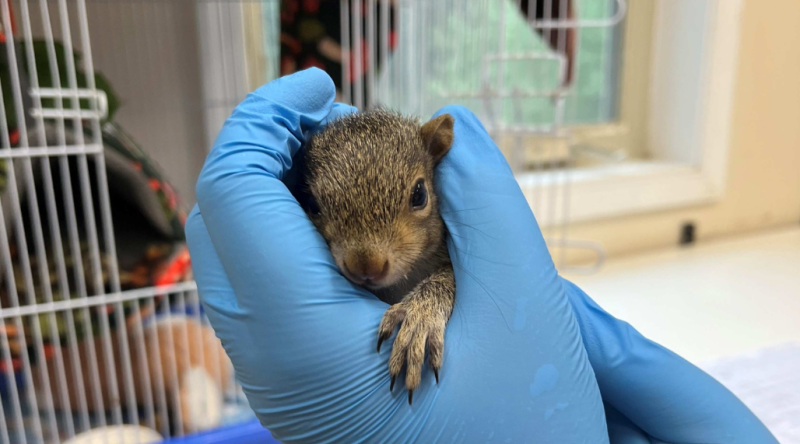
While it can be alarming, being out of the nest doesn’t always mean they have been abandoned.
Mother squirrels often maintain multiple nest sites, so if one nest is damaged or falls during a storm, she usually has a backup location ready. If the babies are warm, quiet, and appear uninjured, there is an excellent chance they can be reunited with their mother.
Please note that reunions should only be attempted during daylight hours. Mother squirrels are inactive at night and will not retrieve their babies until morning.

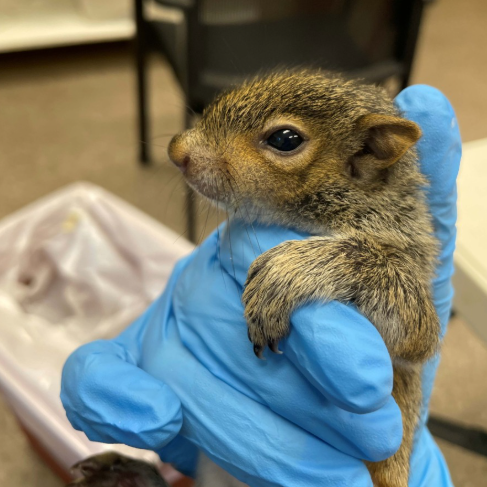
If a squirrel was in the mouth of a cat or dog, has visible wounds, feels cold to the touch, is quiet or unresponsive, or is otherwise acting abnormally, it should be evaluated by a permitted wildlife rehabilitator as soon as possible.
Never attempt to feed or raise wildlife yourself, as improper care can do more harm than good.
(See our guide for step-by-step instructions on safely reuniting baby squirrels with their mother.)
But aren’t there already plenty of squirrels? Why rehabilitate them? It’s a fair question, and one we hear often.

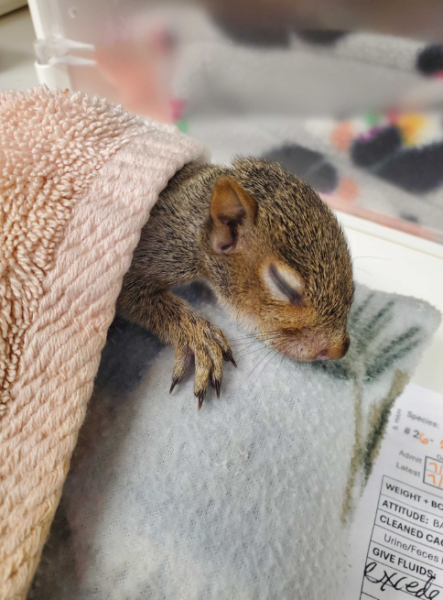
Every patient helps us provide better care for wildlife as a whole. Baby squirrels give our vet externs and rehabilitation interns invaluable experience treating tiny mammals, developing skills they later use to care for more vulnerable species such as flying squirrels, rabbits, bats, and endangered mammals.
Squirrels also contribute to important wildlife research. Because they are one of the most common mammals admitted to our hospital, they help us monitor disease trends, environmental health, and other factors that can impact wildlife populations across Virginia.
Each patient adds to a growing body of knowledge that helps us better understand and protect our native wildlife.
So while squirrels may be common, every one of them helps us improve wildlife medicine, advance conservation research, and train the next generation of wildlife professionals!

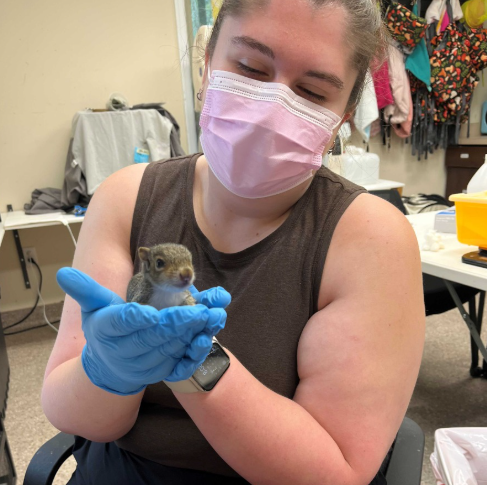
And whenever possible, the very best outcome is getting these babies back where they belong: with their mother in the wild.
Looking for an easy way to help native wildlife? Become a monthly BRWC donor! For as little as $5/month, you can provide year-round, sustainable support that helps us fulfill our mission.




Cline Accepts Three Debate Invitations in Sixth District Race

Lloyd, Silek Spar Over WCRC Membership Payment Methods as August 27 Meeting & Officer Appointments Loom

Warren County Sheriff’s Office Joins Saturation Saturday Ahead of Labor Day Weekend

A More Permanent Closure of a Portion of Church Street Denied at Town Council Meeting

Newtown Heritage Festival Rescheduled for Aug. 28-29 in Stephens City

Active Court Order Still Blocking Trump Effort to Restrict Vote-By-Mail

Donald “Don” Alan Burke Jr. (1952 – 2026)

Blue Ridge Wildlife Center Patient of the Week: Woodland Box Turtle

Christendom Graduate Jimmy Coffey Sets Sights on Major League Rugby

Helga Maria Hartmann (1933 – 2026)

Rena Mae Frye Dodson (1939 – 2026)

Love Revival, First Baptist Partner for Free Labor Day Community Cookout

Virginia Students Make Gains in Reading, Math as Schools Push Toward Pre-Pandemic Levels

This Week’s Showtimes at Royal Cinemas as of August 28th

“Remember the Little Guy”: Kaine Hears From Virginia Farmers as Canada Trade Fight Drives Up Concern

Commentary: The Thousand-Dollar Line

How Laughter Can Help During the Grieving Process

U.S. Supreme Court Lifts Pause on Trump Mail-Ballot Order

What to Do When Dehydration Becomes an Emergency

POLICE: 7 Day FRPD Arrest Report 8/24/2026

Laurel Ridge Community College Welcomes More Than 3,100 Students for Fall Semester

$8,000 Grant Advances Preservation Work at Historic Heater House

Virginia Considers Calls for Mandatory School Nurses as Healthcare Gaps Persist

Ask the Expert: What Happens to a Mortgage When a Spouse Dies?
