
Local News
Blue Ridge Wildlife Center Patient of the Week: Virginia Opossum(s)
These 7 opossums mark the 92nd through 98th Virginia Opossums we’ve released so far this year, and we have an additional 34 currently in care preparing for release!
Raising babies truly takes a village.
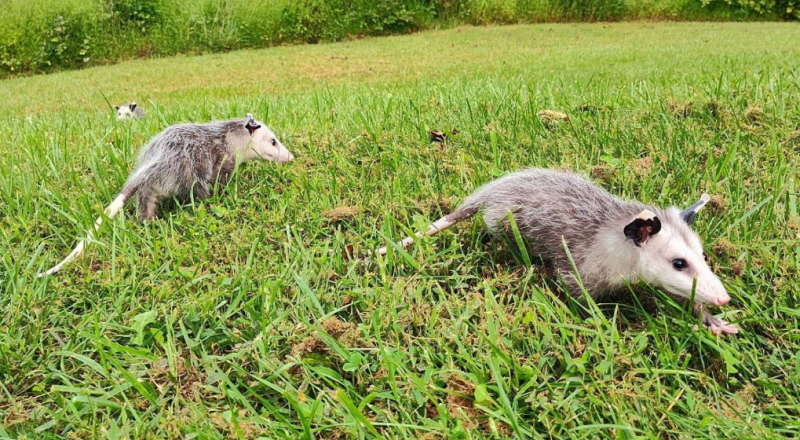
From the finders who went out of their way to rescue these babies, to the volunteers, interns, staff, and even other rehabilitators who spend their time feeding and caring for them day in and day out, to the transporters and landowners helping us get these grown juveniles back into appropriate habitat, every successful release represents the work of an entire community.
And these little marsupials have an important job to return to.

Virginia Opossums are incredibly useful members of our local ecosystems.
As opportunistic omnivores and scavengers, they eat insects, carrion, fallen fruit, and a wide variety of other foods.
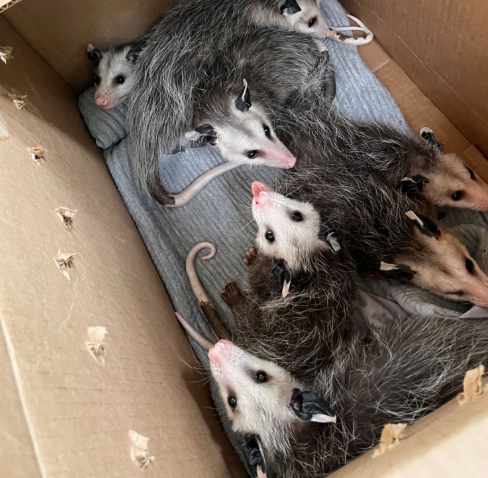
In doing so, they help recycle nutrients, clean up animal remains, control some invertebrate populations, and move energy through the food web.
They are also prey for many of our larger native predators.

They’re important to our work inside the Center, too.
Because we care for so many opossums each year, they provide invaluable opportunities for the next generation of wildlife professionals to learn.
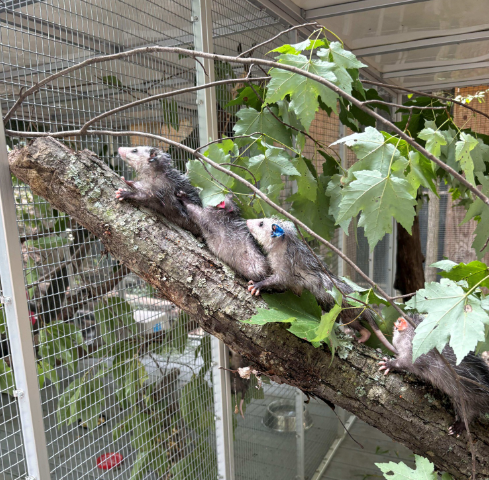
Our interns, veterinary students, fellows, and other trainees gain hands-on experience with everything from neonatal care and nutrition to physical examinations, diagnostics, wound management, medication administration, anesthesia, and release assessment.
Opossums can also tell us a great deal about the health of the environment they share with us.

As part of our One Health work, samples and information collected from wildlife patients can help researchers investigate parasites, infectious diseases, contaminants, toxins, and other health threats at the intersection of wildlife, environmental, domestic animal, and human health.
That means the impact of caring for one animal can extend far beyond that individual patient.
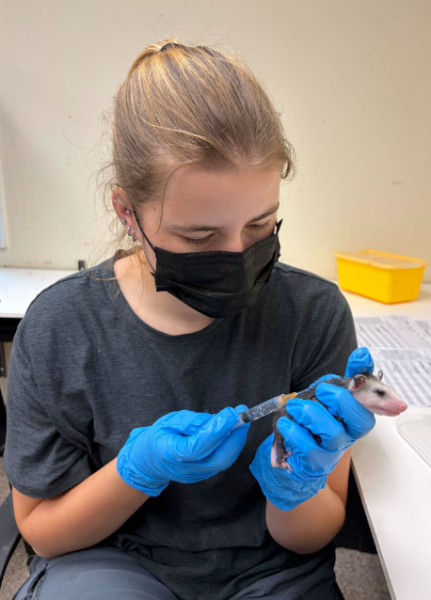
A baby opossum may someday return to the wild, contribute to a functioning ecosystem, help train a future wildlife professional, and add to what we know about the health of the world we all share.
We could not do what we do without the help of our amazing community. Thank you, from us AND our patients, for your continued support and care!


And a special thank you to Bruce Andrew Peters, who was kind enough to capture these wonderful photos of their release!
Looking for an easy way to help native wildlife? Become a monthly BRWC donor! For as little as $5/month, you can provide year-round, sustainable support that helps us fulfill our mission.




Barbara Ann Mathews Smelser (1943 – 2026)

Kathleen Frances Elar (1956 – 2026)

Happy Creek Crossing to Hold Vendor Interest Meeting Oct. 8 in Front Royal

If the Car Name Fits, Drive It

Front Royal Begins Smoke Testing Sewer System; Residents May See Smoke Around Homes

Trump Orders Federal Agencies to Replace ‘Artificial Intelligence’ With ‘Super Intelligence’

Town-Wide Weed Spraying Underway in Front Royal Through Oct. 6

Southbound I-81 Lane Closure Near Strasburg Expected to Cause Significant Weekend Delays

Virginia Democrats Warn More Healthcare Strains Loom After November Election

Legislation to Force Virginia Traffic Camera Fine Payments Will Make ‘Nightmarish’ Court Workloads

CDC’s Latest Youth Behavior Report Offers a Narrower Look at Teen Health

News Organizations Banned from White House Accuse Trump of First Amendment Violation

Virginia Education Board Approves New Rules for Local Student Assessments

FCC Halts Automatic Approval of Verizon Plan to End Legacy Landline Service in Virginia

Women in Agriculture Continue to Face Barriers as Their Role Grows

This Week’s Showtimes at Royal Cinemas as of October 1st

Surveillance, Outdoor Dining, and Other Community Concerns at Town Council Meeting

When Elected Officials Cross the Line

Trump Administration Revokes $810M Approved by Congress for Refugee Aid and More

The Signs Offer Quick Cash for Homes. But States Want More Oversight

This Drone Hunts Mosquitoes

William Morgan and the Anti-Mason Party

Luria and Kiggans Rematch in Virginia’s 2nd Congressional District Among Most-Watched Races In Nation

Youth Advocates Warn Higher Marijuana Fine Could Deepen Racial Disparities
