
Food
‘Pay what you can’ cafes spring up
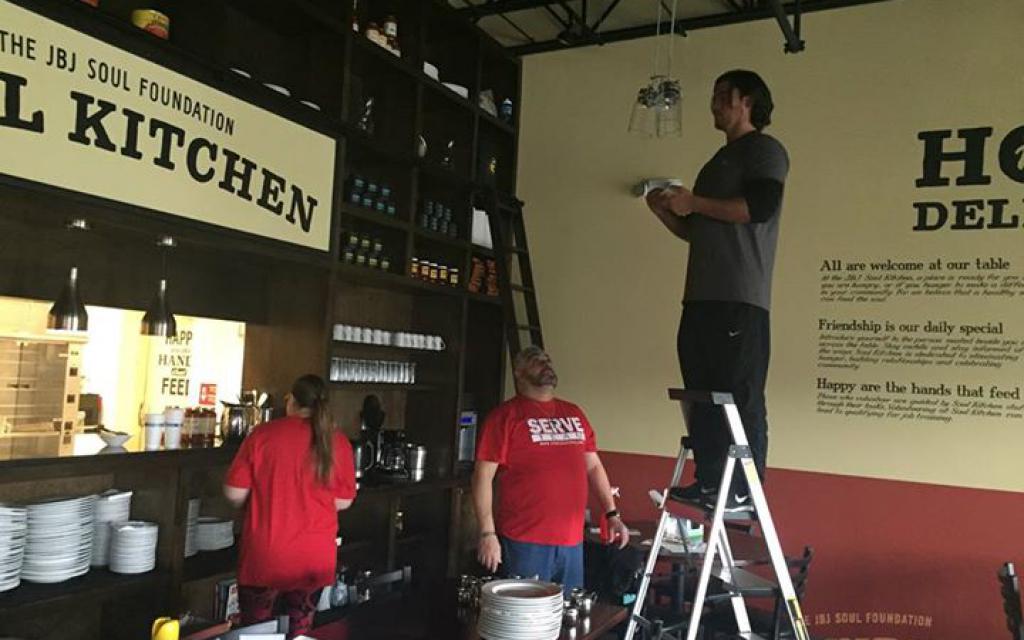 Pay what you can’ (PWYC) cafes and restaurants have sprung up around the world as a way of revolutionizing charitable food giving.
In the U.S., there are about 50 restaurants across the country exploring the model and these include the JBJ Soul Kitchen in New Jersey, set up by the Jon Bon Jovi Soul Foundation and the One World Cafe in Salt Lake City.
Non-profit PWYC establishments don’t rely solely on the sale of their food and service but adopt a mix of revenue generators including grants, donations (both of food and money), and “paying it forward” where patrons who can afford to, discreetly subsidize the meals of those who can either pay very little or not pay at all.
Working to throw off the stigma of food assistance, PWYC cafes and restaurants attempt to create a community, of both the needy and the non-needy, and serve menus that put them way beyond what could be considered a soup kitchen.

Location is also important, according to Mariana Chilton, a researcher AR Drexel University who started EAT (Everyone At The Table) in Philadelphia. Chilton told NPR, that the restaurant would need to draw on a variety of customers. EAT cafe’s location in Mantua, a couple miles from Philadelphia’s center, makes it an option for local hospital employees and college students to middle-class and low-income residents. and says Chilton.
EAT’s mission, like other PWYC eateries is to ensure that as many people as possible have access to nutritious food. Chilton, though, also had a personal desire to make dining-out accessible to those on a low income. At EAT, diners are offered a three course meal, with a choice of soup and salad, main course including a nightly special and two options for dessert. There is also a kids’ menu and specialty drinks at a fixed price. Patrons get a check, just as they would in any other establishment, but the total is only a suggested price. Only the server and diner will know, in the end, how much was paid.




The Platypus: A Truly Amazing Animal!

A Thing of the Heart: Two-Fold Outreach to Children and Award Presentation Brings Hike Kidz to Stone Branch Arts Center

Virginia State Police Seize Drugs Valued at More Than $830,000, Recover 13 Firearms

Commentary: We Hate Technology. Please Like and Share

One Medicare Open Enrollment Decision That Can Be Hard to Undo

Constitution 101: The Postal Clause

VDOT: Warren County Traffic Alert for October 12 – 16, 2026

UVA Poison Expert Warns of Emerging Synthetic Opioids That Fentanyl Tests May Miss

Pumpkins Will Take to the Skies at Front Royal Warren County Airport Oct. 24

Front Royal Remains Under Mandatory Water Conservation As Shenandoah River Flow Drops

Front Royal Women’s Resource Center Opens 2027 Dare to Dream Grant Applications

Warner, Mizusawa Outline Competing Approaches to Disability Policy

Fable Greenhouse and Gardens Breathes New Life into Former Horton’s Nursery

Louise Virginia “Mom” Messer (1936 – 2026)

Business Growth Series: Doing Everything Yourself Is Slowing You Down

The Mystery of the Purple Seal

Front Royal Outdoors Founder Don Roberts Named 2026 Protector of the Shenandoah

Front Royal Man Held Without Bond Following Child Sexual Abuse Material Investigation

Performing Arts Center Pointing to 2027 Opening as Local Entertainment, Business, and Educational Partner

Town Planning Commission Continues to Prepare for the Arrival of Cannabis on the Local Market

Warren County Schools Improve, But Federal Rules Lower Seven Ratings

Spanberger Announces $1.3 Million in Scholarships and Incentives for Nursing Students

The First Long-Distance Phone Call Came With Receipts
Middletown Man Killed In I-81 Crash In Frederick County
