
Legislative Update
Sixth District Perspectives with Congressman Ben Cline – November 14, 2021
Honoring our Nation’s Veterans
On the eleventh hour, of the eleventh day, of the eleventh month, the guns of World War I finally fell silent, and the armistice with Germany went into effect. Out of the ashes of this day rose what was originally called Armistice Day, but since 1954 has been recognized and set aside as Veterans Day.
As we celebrated Veterans Day this week, we recognized the roughly 20 million living veterans who have served this country in both war and peace, and as a Nation, we extended a hand of gratitude to all our Veterans who put their lives on the line daily to protect freedom on our soil and around the globe.
As a Member of Congress, advocating for our Veterans and their families is a top priority. My district offices in Harrisonburg, Lynchburg, Roanoke, and Staunton help Veterans with their claims with the Department of Veterans Affairs, and in Washington, I am always looking for new ways to do more to support those who have supported us.
Supporting Veterans:
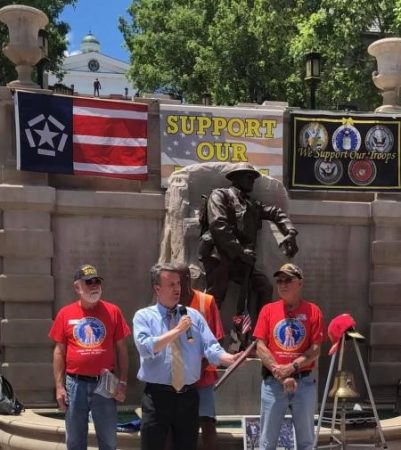
During his second inaugural address, President Abraham Lincoln made clear, for the first time, the national obligation, “To care for him who shall have borne the battle and for his widow, and his orphan.” Since coming to Congress, I have tried to make sure that President Lincoln’s charge is followed and have remained committed to caring for Veterans and their families. Our Nation’s 20 million living Veterans span numerous generations. From the World War II era to the Global War on Terror, these heroes face differing challenges as they age. Veteran care is complex and generational, and with the ending of the war in Afghanistan, the needs of Veterans from that era will become paramount. We must never neglect their care and continue to improve the VA system that cares for them. Below are several actions I have taken throughout the past year in the 117th Congress to support our service members.

Introduced: HR 4433, Veterans Entrepreneurship Act
This bipartisan legislation will expand the options under which Veterans can access their benefits in the GI Bill. Currently, GI Bill benefits can only be used to help Veterans further their education. However, not all Veterans wish to continue their education after returning to civilian life. Many wish to pursue professional development, enter the workforce, or start their own small business. This legislation will allow funds under the GI Bill to be applied to special business training programs or resource grants to help Veterans achieve their goals. The bill establishes a 3-year pilot program where 250 Veterans will participate in a training program and receive assistance in putting together a business plan that, if approved, will win them a grant which they can use to realize their plan. The Veterans Entrepreneurship Act is grounded in the idea of allowing Veterans to choose how to best use their earned benefits to help accomplish their goals. Learn more here.

Cosponsored: HR 2974, Military Spouse Hiring Act
Military spouse unemployment rates surged during the COVID-19 pandemic up to 38 percent. This bill would help close that gap by expanding the Work Opportunity Tax Credit to include the hiring of qualified military spouses, allowing employers to claim a tax credit equal to a portion of the wages paid to those spouses.
HR 3674, Vet Center Support Act
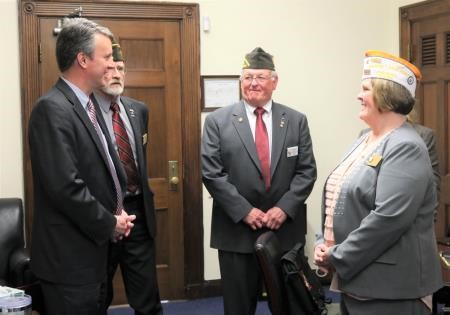
This legislation would identify barriers to constructing new Vet Centers and increase staff capacity to assess how well Veterans’ mental health needs are being met in underserved areas. Vet Centers are community-based health providers that offer mental health services and readjustment counseling to Veterans, active duty, National Guard members, Reservists, and their families. Yet, despite their proven track record of suicide prevention and excellent care, as well as the growing demand for their services, the number of these facilities has not increased to sufficient levels to meet the need of Veterans.

HR 2192, Camp Lejeune Justice Act of 2021
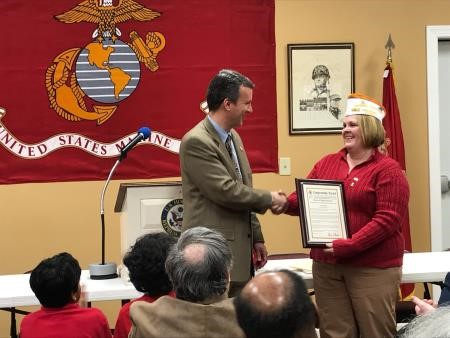
Over a 30-year period spanning the 1950s through the 1980s, thousands of Marines, their families, civilian workers, and personnel used government-provided tap water that was contaminated with harmful chemicals, found at levels ranging from 240 to 3400 times the levels permitted by safety standards. These exposures likely increased the risk of cancers, such as renal cancer, multiple myeloma, leukemia, and more. It also likely raised their risk of adverse birth outcomes, along with other negative health effects. The Camp Lejeune Justice Act allows a member of the U.S. Armed Forces, and/or their family members, that were injured or died as a result of the contaminated water at Camp Lejeune to file under the Federal Tort Claims Act for fair compensation. This type of claim would already be permitted anywhere else in the United States, but because of a unique provision in North Carolina law, this legislation is necessary for those harmed at Camp Lejeune to seek justice.

HR 1217, Veterans’ 2nd Amendment Protection Act
This legislation prohibits the VA from transmitting personally identifying information of a Veteran or a beneficiary to the National Instant Criminal Background Check System (NICS) solely on the basis that such Veteran or beneficiary has an appointed fiduciary to manage their benefits unless there is an order or finding of judicial authority that such Veteran or beneficiary is a danger to themselves or others. We must protect the Second Amendment rights of all Americans, especially Veterans, and this bill seeks to accomplish that goal.
H.R. 1476, PFC Joseph P. Dwyer Peer Support Program Act
The Dwyer Program in New York established a successful peer-to-peer support model to provide a safe, confidential, and educational platform where all Veterans are welcome to meet with other Veterans in support of each other’s successful transition to post-service life. The program seeks to build vet-to-vet relationships that enhance positive change through common experiences, learning, and personal growth. H.R. 1476 would expand the Dwyer Program to the national level by authorizing the Secretary of Veterans Affairs to make grants to state and local entities to carry out peer-to-peer mental health programs all across our Nation and help ensure all of our Veterans have access to the support they need.
HR 1448, PAWS for Veterans Therapy Act
As many as 20% of Veterans who return from combat suffer from PTSD, and on average, 20 Veterans die a day from suicide. The PAWS for Veterans Therapy Act, which has been signed into law, creates a pilot program that will expand opportunities for Veterans to get involved with training and adopting service dogs. Studies show that service animals can help reduce depression, anxiety, anger, and alcohol and substance abuse, as well as lessen sleep disturbances. Further, properly trained service dogs can alert Veterans to PTSD triggers, such as crowded areas or unanticipated risks, and provide security and a calming effect to alleviate anxiety.
Advocacy Letters:

Letter on Rolling to Remember
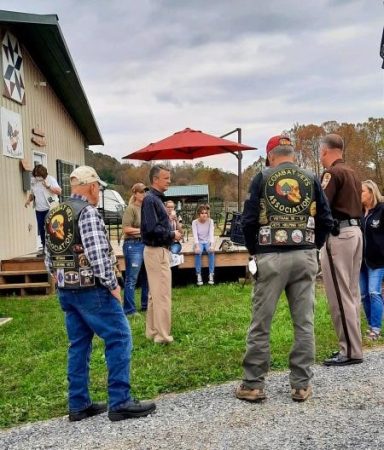
My colleagues and I urged President Biden to reverse his Administration’s decision that stripped Rolling to Remember of a permit to use the Pentagon’s parking lot during their Memorial Day motorcycle rally in D.C. Rolling to Remember is an annual motorcycle demonstration to raise awareness of the critical issues facing our Nation’s Veteran and to demand action for the 82,000 service members missing in action, as well as raise awareness of the 20+ Veterans who die by suicide each day. The letter can be found here.
Letter Supporting Rural Veterans
My colleagues and I brought VA Secretary McDonough’s attention to the 4.7 million Veterans who live in rural communities who have decreased proximity to a VA center near them, less access to care, fewer physician practices and transportation options, and a myriad of other concerns that need to be on the top of the VA’s agenda. While we are pleased the VA’s FY 2022 budget request includes increased funding for telehealth services and rural Veteran transportation services, improving healthcare outcomes for rural Veterans must be a top priority. The Letter can be found here.
Letter Supporting ATLAS Program Expansion
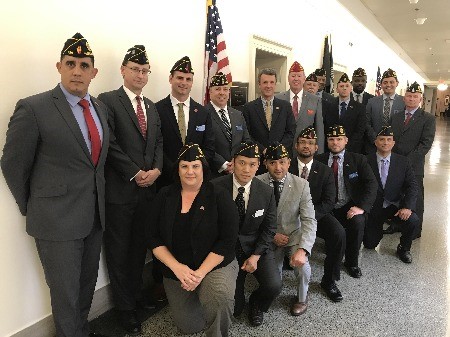
I encouraged VA Secretary McDonough to expand the Accessing Telehealth through Local Area Stations (ATLAS) Program to deliver more Veteran-centric telehealth to the Sixth District. The ATLAS Program is a collaboration between the VA, Veterans of Foreign Wars (VFW), The American Legion, and Philips, a leading health technology company, to build and donate 8×8 enclosure rooms called pods to be placed on location at VFW halls and Legion posts. The healthcare pods offer Veterans the convenience of consulting with their VA clinicians in a space closer to home as opposed to traveling to the nearest VA facility, which may be hours away. Using telehealth technology such as these pods improves access to care for Veterans in underserved areas where there are limited healthcare providers.
Resources for Veterans:
Please know that my District offices are here to assist constituents who are having difficulties dealing with a Federal agency. If you are struggling to receive the benefits you have earned from the Veterans Benefits Administration or are having issues making a doctor’s appointment with the Veterans Health Administration, caseworkers at one of my offices listed at the bottom of this page may be able to help.

Further, those who served often experience scenes and situations that civilians could not even begin to imagine. These experiences can often lead to Post Traumatic Stress Disorder (PTSD) and other emotional and mental struggles. If you are experiencing hardship, particularly following the recent withdrawal from Afghanistan, there are resources available. The Veterans Crisis Line below is confidential and can be reached 24/7.
Thank you for the opportunity to serve as your Congressman. If my office can ever be of assistance, please contact my Washington office at (202) 225-5431.
Follow me on Facebook, Instagram, and Twitter for the latest updates.





The Hidden Cost of Empty Storefronts

DOJ Targets 3 More States in Effort to Axe In-State Tuition for Immigrants

Program Connects Deployed Service Members with Foster Homes for Pets

Warren County Celebrates First Customer Connection Through All Points Broadband Expansion

Dominion Asks SCC to Recover an Additional $922 Million for Fuel Costs Over Multiple Years

Aging in Place: County Planning Commission Considers an Option for the Elderly

Virginia’s Vaccine Recommendations, Requirements Won’t Change After Trump Order, Officials Say

Trump Administration Urges Supreme Court to Rule Soon on Limiting Vote-by-Mail in Midterms

Virginia Resident Seeks Answers from State Education Superintendent Over Genocide Definition

Foster Families Needed Across Northern Shenandoah Valley to Keep Children Close to Home

Data Center Debate Draws Crowd as Residents Demand Transparency, Local Control

Blue Ridge Arts Council Wraps Up 37th Gazebo Gatherings Season with Ryan Jewel Concert

$1.65-Million Auction Dent Put in $10-Million Debt to First Bank & Trust on ITFederal Developmental Loan to FR-WC EDA

Where Motive and Opportunity Align on Zoning Code

What Candidates Have Planned for Virginia’s Coast Could Decide a Key Congressional Race

This Week’s Showtimes at Royal Cinemas as of August 14th

Lt. Gov. Hashmi Hits the Road to Hear from Virginians on Dominion-NextEra Merger

Trump Urges Shift in Childhood Vaccine Recommendations, Calls for Splitting Up MMR Vaccine

David Andrew Burke (1985 – 2026)

Suzanne H Conner (1946 – 2026)

Rushmark Properties Withdraws Data Center Zoning Text Amendment and Conditional Use Permit Applications

Socialism’s Advance and Proven Failures Should be a Warning for Virginia

Secrets We Lost Forever

When Children Cannot See Clearly, They May Not Know to Say So
