
Automotive
A history of roads in Virginia: Unexpected setbacks come in the new century
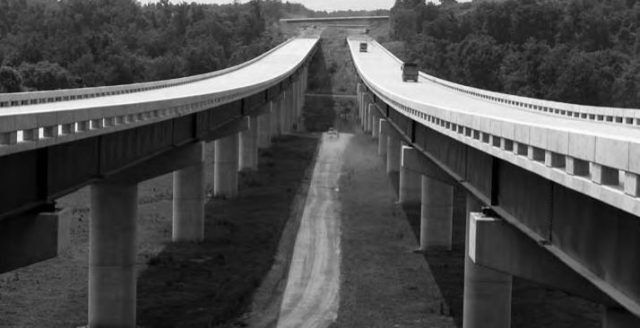
The Madison Heights Bypass through Amherst and Campbell counties draws traffic away from the
crowded Route 29 corridor.
Even before taking office in 2002, Gov. Mark R. Warner expressed concern about financing and scheduling highway projects, as well as about cost overruns for new projects and inadequate budget projections to maintain the highway infrastructure. The construction program so dramatically enlarged just two years earlier by the previous administration and the General Assembly was being severely crimped by the downturn in the economy. Rosy revenue projections foreseen for transportation in late 2001 were realized as untenable in 2002. Project cost estimates did not adequately account for inflation and were significantly low. The available funding and the extensive improvements in the transportation system called for were recognized as incompatible.
The new governor called for a “realistic and achievable” Six-Year Program for transportation improvements and directed VDOT to produce it. Secretary of Transportation Whittington W. Clement, recently appointed by the governor, indicated a sharp reduction in the construction program was necessary, saying, “We can’t do it all, but whatever it is, we’re going to do it well.”
Gov. Warner also appointed a new commissioner of transportation, Philip A. Shucet, and within weeks he and VDOT staff prepared a Six-Year Program that reduced the previously approved program by nearly a third. At the same time, Virginia’s aging highway system required more maintenance, further reducing available funding for new construction. Virginia, which long held “pay as you go” as its transportation funding philosophy, had to use Federal Reimbursement Anticipation Notes (FRANs), or special-use bonds, to help cover some construction projects’ costs.
“No doubt, tough decisions are being made to deliver a transportation program that is truly credible and realistic,” Secretary Clement said.
It appeared to be the beginning of an era of retrenchment, but at the same time, 1,157 projects across the state remained in the $7.3 billion Six-Year Program. And, simultaneously, motorists across Virginia rated highly the service they received from roads and highways, even in areas where traffic congestion was problematic.
The transportation theme of the new century, however, had been changed from spending and building to one of a realistic, credible, and systematic improvement process.

Cline Targets Virginia Policies in New Immigration Enforcement Bill

Seconds That Saved a Life: Chester Gap First Responders Show Value of Rural Coverage

Spanberger Creates New Cabinet Position, Appoints SELC’s Josephus Allmond Chief Energy Officer

Debra M. Wolford (1958 – 2026)

Vacant Lots on Grand Avenue Keep Their R-1 Designation at Town Council Meeting

Redistricting, Legislative Issues Discussed at GOP Gathering

Front Royal Welcomes New Wellness Studio Focused on Mind, Body, and Community

On 16th Anniversary of Affordable Care Act, Virginia’s Federal Lawmakers and Health Leaders Weigh Risks

Your Age Shouldn’t Stop You From Changing Careers

World Cheese Day Celebrates One of the World’s Favorite Foods

Blue Ridge Wildlife Center Patient of the Week: Mourning Dove

POLICE: 7 Day FRPD Arrest Report 3/23/2026

Documentary Screening at Laurel Ridge Highlights Hidden Struggle of Student Hunger

US Senate Confirms Mullin as Next Homeland Security Boss

Dominion Produces First Power From Coastal Virginia Offshore Wind Project

Rebecca Joy Knight Pucher (1953 – 2026)
Clarence Patrick “Stinker” “Wooley” Deavers (1957 – 2026)

Four Weeks Before April 21 Referendum, Early Voting Shows Stronger Turnout in GOP-Leaning Areas

After Bills Passed, NoVa Lawmakers Urge SCC to Consider Burying Transmission Lines

Next Generation of Conservation Leaders Selected for Shenandoah Valley Fellowship

Using an Exfoliant to Care for Your Skin: Beneficial at Any Age

Airport Chaos: TSA Agents Skip Work, Security Lines Expand, Trump Sends in ICE to Assist

Spotlight on Beekeeping: The Sweet Work Behind Honey

Federal Guidelines Signal Comeback for Full-Fat Dairy
