
Health
Watch for early signs of ‘frozen shoulder’
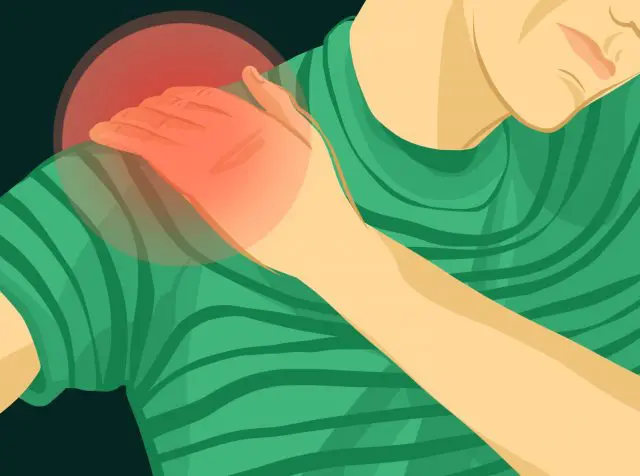
Doctors are concerned that cases of frozen shoulder are on the rise. Surgeons at the Mayo Clinic in Rochester, Minn., say that because of increases in obesity, diabetes, and an aging population, the increase is a continuing concern.
Frozen shoulder is a condition in which the shoulder capsule contracts or becomes inflamed, causing adhesions and scarring that “freeze” the shoulder. Inactivity after even a minor injury can bring it on, though it usually begins spontaneously. Symptoms include pain in the shoulder, especially when attempting to raise the arm.
When raising an arm straight up, normal range of motion allows the arm to be raised as high as top of the head. A person with severe frozen shoulder can move a straight arm only waist high or lower.
Orthopedists say that if patients and doctors understood the risks and symptoms, the disorder could be successfully treated by physical therapy. Early diagnosis when the condition is still “freezing” is the key. Early therapy lessens the severity and lifespan of the disease.

The National Center for Biotechnology Information, estimates that 2 percent to 5 percent of the population are affected by frozen shoulder at some point. It is most common in people between the ages of 40 and 60 and somewhat more common in women. About 10 percent to 20 percent of people with diabetes are likely to develop the condition.
Shoulder ligaments are normally elastic and tighten when you reach up high. In a frozen shoulder, the joint gets smaller. Ligaments adhere to the shoulder or tighten at its resting position.
Movement becomes painful and difficult, or even impossible.
Doctors have also found that a shot of cortisone into the shoulder may prevent a full-blown case of the disease.

For severe cases, surgery may be required, although the NCBI says it is unclear whether surgery actually helps relieve pain.
Stretching and physical therapy can improve joint mobility in early phases. But these exercises must be done carefully, without force or excessive pain.
The good news is that frozen shoulder can get better without treatment, but it can take a while. The first phase of the condition may last from 2 to 10 months with pain as you move the shoulder upward and back. In the second phase, the shoulder freezes with less pain by limited movement. This could last a year. In the third phase, the pain goes away and the shoulder gradually improves.
It can take months or years for flexibility to return.





WCHS vs. Manassas Park – Varsity Football – October 9, 2026

A Golf Hazard With an Appetite

Lantern Tours Bring Stories Of New Market Battlefield To Life Oct. 24

Pork And Apples Have A Long-Standing Romance

Israel from Saul to Rome

Front Royal Council Weighs ACES Role, Cannabis Rules and Riverton Sewer Project

Bob Cullers To Share Family’s Civil War Story at Warren Rifles Museum

Bruce Rappaport Seeks Second Term, Calls for Smart Growth and Protection of Front Royal’s Character

I-81 South Lane Closure Near Staunton Tuesday Night Through Wednesday Morning

Festival of Leaves, Not Just a Festival
What Will We Do with What We Know?

Blue Ridge Wildlife Center Patient of the Week: Barred Owl

POLICE: 7 Day FRPD Arrest Report 10/5/2026

William Robert Swiger (1939 – 2026)

Hilda Foster Cornwell (1934 – 2026)

Workforce Training Program Earns Another No.1 Ranking for Virginia

Virginia Board of Education Reinstates Adult Education Advisory Committee After 3 Years

WCHS vs. Skyline HS – Girls Volleyball – October 8, 2026

Amber Veitenthal Seeks Another Term, Says Front Royal Should Be Selective About Growth

State Regulators to Allow Part of NextEra’s Political Past to be Examined in Dominion Merger Case

US House Dems’ Campaign Chief Predicts They’ll Gain Majority Control in Midterms

The Barrel Worked, the Business Plan Didn’t

Samuel’s Public Library Packs October With Programs for All Ages

EPA to Give $90M for Clean Water and Restoration Projects in Chesapeake Bay Watershed, 28 in Virginia
