
Health
What is the paleo diet?
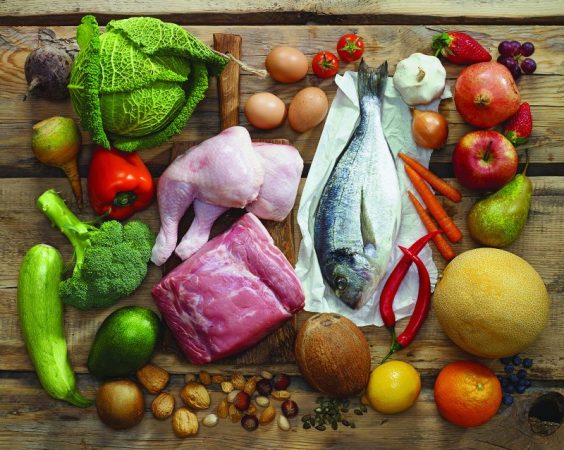
The paleo diet dates back to a 1985 medical paper defending the idea that modern dietary habits are less healthy and less natural than those of our hunter-gatherer ancestors. However, the diet only became the full-on fad it is today after the book The Paleo Diet by Loren Cordain was published in 2002.
A paleo diet emphasizes foods that would have been available before the development of agriculture, such as lean meats, fish, nuts and vegetables. Anything relying on agriculture is eliminated from the diet. This includes dairy, cereals, legumes and sugary foods.
Proponents of the paleo diet tout that it improves intellectual and athletic performance and promotes weight loss. It’s also believed to help individuals gain muscle mass, reduce fatigue, stave off digestive irregularities and prevent conditions such as rheumatoid arthritis and heart disease.
Despite these claims, however, the health benefits of the diet haven’t been strongly established. Additionally, while eating more vegetables and cutting out processed foods and sugar is definitely a good idea, there are risks associated with the diet.

For starters, eliminating entire food groups can lead to nutritional deficiencies. More¬over, the diet is high in red meat. Heavy consumption of red meat has been associated with increased risks of digestive cancers, heart disease and stroke. In addition, while fish is a healthy source of protein, varieties like tuna and northern pike may contain high amounts of mercury, which is toxic.
In sum, while the paleo diet offers some benefits, following it also comes with a fair amount of risk. If you’re interested in changing your diet, be sure to consult with a health care professional to make sure it’s the right choice for you.




From Workers’ Parades to Backyard Cookouts: How Labor Day Began

Is It Too Late to Sign Up for the All About Trees Class This Year?

The Envelope That Decides Next Year

The Emergency Fund You’ll Actually Build

Stronger, Not Bigger: Rethinking Economic Development in Warren County

Kenneth Lewis Smith (1939 – 2026)

Strong Families Build a Stronger Warren County

The Science Prizes That Make You Laugh, Then Think

Grill the Perfect Corn on the Cob, Then Dress It Up

The Famous Last Words No One Wrote Down

US Supreme Court Again Urged to Permit Trump Vote-by-Mail Restrictions

President Trump’s Beef Policy May Help Food Prices, But At What Cost?

Virginia Attorney General Creates Worker, Federal Accountability Units as Office Highlights Meta Settlement

VDOT: Warren County Traffic Alert for September 7 – 11, 2026

Twenty-Five Years Later, Remembering When We Stood Together

U.S. Adds 162,000 Jobs in August as Manufacturing and Construction Hiring Rises

Spanberger Taps Daniel Young to Lead Government Watchdog Office

Update: Cline Appears Without Democratic Opponent at Winchester Congressional Event

UVA Health Experts Urge Athletes to Recognize Concussion Warning Signs as Fall Sports Begin

Bumblebees Solve Puzzle Without Training, Study Finds

Business Growth Series: “What If” Thinking Is Costing You Money

Blue Ridge Area Food Bank Calls on Community to Take Action Against Hunger in September

Virginia State Police Seize Guns, Nearly $200,000 in Cash During Weekly Crime Operations
The Queen is Gone. There Will Never Be Another
