
Seasonal
Nutcrackers have origins deep in human history
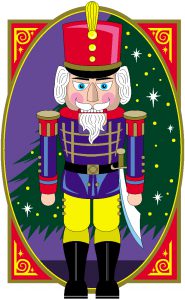 Nuts have been a staple of the human diet for millennia and where there are nuts, so there are also nutcrackers.
Nutcrackers, today one of the symbols of Christmas, have a long evolution from simple stones to elaborate, and mostly decorative, figurines.
The oldest existing metal nutcrackers were made about 300 BC and were levers. By the 13th century, iron and brass nutcrackers began to take on shapes, and after the 15th century wood carvers began to make lovely, intricate figures.
The colorful wooden soldier figures were first seen in the Erzgebirge regions of Germany during the 1800s. In 1872, Wilhelm Fuchtner, known as the “father of the nutcracker,” initiated the first mass production of nutcrackers in the shape of human figures. Sometimes those figures were of real people such as queens and kings. That tradition continues today when you can buy nutcrackers wryly made into the likeness of politicians.

Nutcrackers became associated with Christmas during the Victorian era when children began to receive small nutcrackers in their Christmas stockings.
Today, their popularity has been enhanced by the traditional performances of Tchaikovsky’s “Nutcracker Suite” ballet during the Christmas season.
While some decorative nutcrackers can still crack nuts, most are decorative pieces brought out as the tree goes up and the wreath goes on the door.




Business Growth Series: Why Simple Businesses Grow Faster

As Student Well-Being Concerns Grow, Virginia Advocates Push for Stricter School Tech Guidelines

With Six West Nile Cases Reported Statewide, Infected Mosquitos Are on the Rise in Virginia Beach

Commentary: A Pesticide-Free Farm Can Have Worse Soil Than One Sprayed With Roundup

Warren County Sheriff’s Office Foundation Expands Community Programs, Plans Fall Events

New Proposal from Grid Operator PJM Would Require Data Centers to Gring Their Own Power

Apple Wallet Adds Driver’s Licenses and IDs for Virginia Residents

Samuels Library Sets September Lineup With SamiCon, Community Programs and Family Activities

Virginia to Receive $353 Million in Landmark Meta Child-Safety Settlement

Trump’s Second-Term Immigration Agenda Extends Beyond Border Enforcement

Reverend Michael Duesterhaus (1965 – 2026)

Groovy for a Good Cause: Vintage Fashion Show Supports Bridge of Hope

Why More Robots Can Mean More Workplace Injuries

American Legion Post 53 Builds New Pavilion for Veterans and Community

Missing Bricks Led to Discovery of Structural Concerns at E. Wilson Morrison

Spanberger Orders State Agencies to Prepare for Medicaid, SNAP Changes

Amazon Changes Course on Water Use for King George Data Center Campus

Tree Stewards Prepare for 30th Anniversary While Offering Community Tree Care Class

Challenges and Future Uncertainties

Our Young People Are a Reflection of Our Community

America 250: The Battle of Long Island

Pasta e Ceci: An Ancient Roman Comfort Dish Made Simple
How Soon Until We Have A Chinese-Style Surveillance State?

Cline Accepts Three Debate Invitations in Sixth District Race
