
Local News
Blue Ridge Wildlife Center Patient of the Week: Babies!
Baby Season is in Full Swing!
Every spring and summer, our wildlife hospital enters what we simply call “baby season.” And right now…we are in the thick of it.
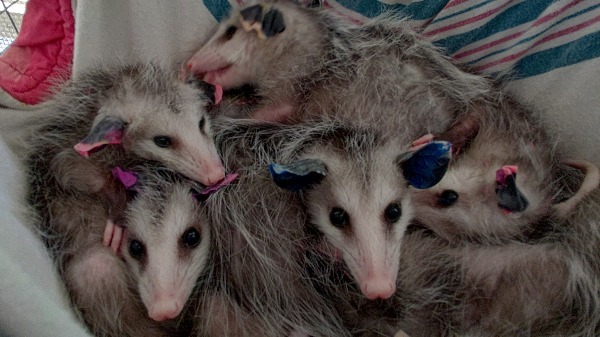
Between April and September, our Center admits 80% of our annual patients. During this same period, our wildlife hotline averages around 200 calls every single day as community members seek guidance about injured, orphaned, and sick wildlife.
On any given day, our nursery may hold tiny squirrels needing around-the-clock feedings, nestling songbirds recovering from injuries, infant opossums clinging to soft surrogates, or young rabbits quietly tucked away in incubators.
At the same time, our veterinary and rehabilitation teams are balancing an influx of trauma patients, responding to hotline emergencies, and working to determine which young animals truly need intervention.

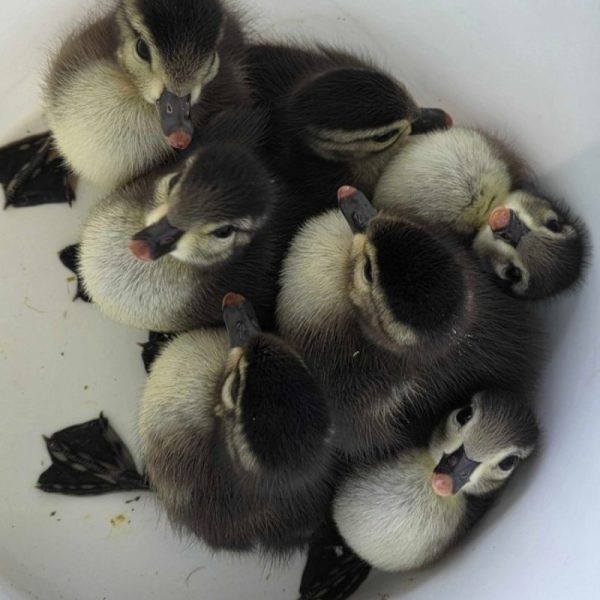
While many people associate baby wildlife with springtime, the reality is far more intense behind the scenes.
Young animals are incredibly fragile patients. Their small size, rapidly developing bodies, and specialized nutritional and environmental needs make treatment and rehabilitation particularly challenging. Many require feedings every few hours, precise temperature and humidity control, specialized formulas, and careful monitoring to ensure healthy development.
Adding to the challenge, many young animals arrive due to human-related causes. Tree work, free-roaming cats, lawn equipment, vehicles, habitat destruction, and unnecessary human intervention all contribute to the thousands of orphaned or injured babies admitted to wildlife hospitals each year.
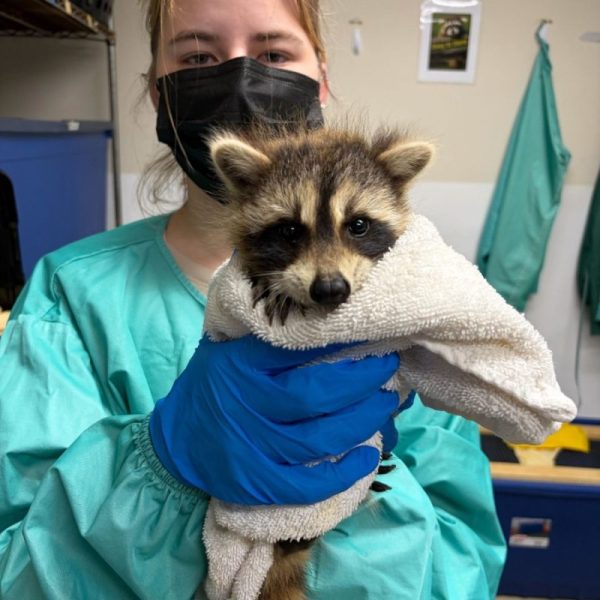
One of the most important things people can do for wildlife during baby season is pause before intervening.

Many young animals that appear abandoned are actually being cared for by their parents nearby.
Fledgling songbirds spend time on the ground while learning to fly, young rabbits are often left alone for most of the day, and fawns may remain quietly hidden while their mothers forage.
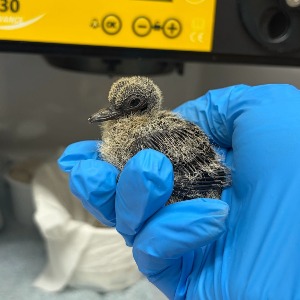
If you find a young wild animal, the best first step is always to contact a licensed wildlife rehabilitator before attempting rescue. In many cases, the safest and healthiest outcome is reunification with the parents whenever possible.
Despite the long hours and overflowing incubators, baby season is also one of the most rewarding times of year.

Watching these tiny patients grow, develop, and eventually return to the wild reminds us why this work matters so deeply.
As always, thank you for helping make this lifesaving work possible. Your support allows us to provide specialized medical care to thousands of vulnerable wild patients each year…including the tiniest ones.
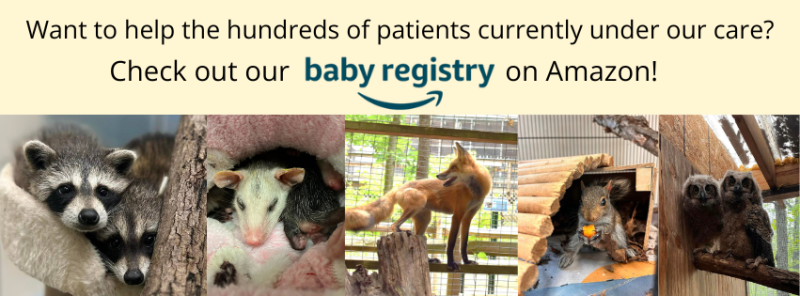
Looking for an easy way to help native wildlife? Become a monthly BRWC donor! For as little as $5/month, you can provide year-round, sustainable support that helps us fulfill our mission.




The House and Senate Both Released New Budgets. Here’s How They Align and Diverge.

‘It’s Outrageous’: Spanberger Navigates Budget Fight, Democratic Unrest Six Months Into Governorship

How Public Education has Transformed in Virginia Since the Nation’s Founding

Tangier Island: Rising Waters, Eroding Shores, Dwindling Time

Ceasefire Reached with Iran, Ending Hostilities and Opening Strait of Hormuz

Larry D. “Dick” Smelser (1950 – 2026)

Carol L. Goddard (1948 – 2026)

Fauquier Health Reports More Than $40 Million in 2025 Community Impact

Commentary: As Virginia’s Data Center Industry Expands, Should Warren County Be Part of the Future Digital Economy?

Good, Bad and Ugly

This Week’s Showtimes at Royal Cinemas as of June 19th

From Wallpaper Cleaner to Toy Box Legend

Expert Tips for Loading a Moving Truck Properly

Intimacy Remains an Important Part of Life for Many Older Adults

Trump Proclaims Flag Day and National Flag Week Ahead of America’s 250th Anniversary

United States Army Marks 251 Years of Service
National Parks Shouldn’t Be Political Billboards

Ask the Expert: Should I Refinance to Pull Cash Out of My Home?

Market Value, Not Tax Assessment, Should Guide Home Listing Price

Natural Cemeteries Offer a Greener Way to Plan Final Resting Places

Ole Timer’s Antiques Celebrates 25 Years on Front Royal’s Main Street

Protecting the Valley: Lessons from Prince William County’s Data Center Boom

VDOT: Warren County Traffic Alert for June 15 – 19, 2026

Beth Macy Brings Congressional Campaign to Warren County Democratic Gathering
