
Local News
Blue Ridge Wildlife Center Patient of the Week: Southern Flying Squirrel
The most common rodent you never see:
Southern flying squirrels are quite common across Virginia, but since they’re nocturnal and much smaller than Eastern Gray Squirrels, people rarely see them and often have no idea they even exist!
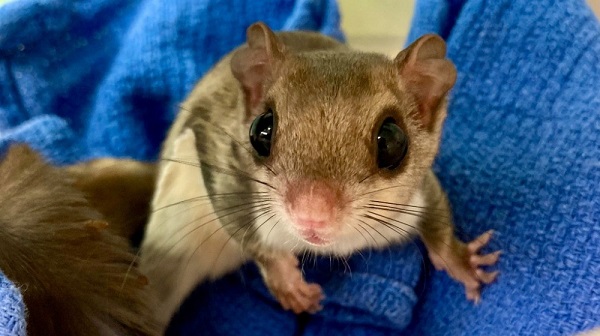
Photos / Blue Ridge Wildlife Center
Unfortunately, cats are quite skilled at finding these nocturnal tree squirrels. Approximately 60% of our adult flying squirrel patients, including this one, come the Center as confirmed cat attack victims.
This patient is very lucky. He had minimal wounds and is doing well on pain medications and antibiotics.

In general, only about 30% of cat attacked patients survive to release. We have already received over 480 confirmed cat attack patients so far in 2021. We hope that this flyer will be in that minority!
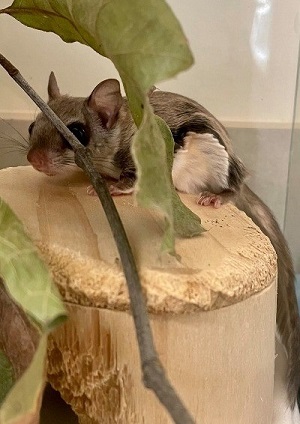
Though feral cats are estimated to cause two thirds of cat-related wildlife deaths, the patients we see are almost always from owned cats when they bring animals to their owners, or when the finder interrupts a neighbor’s cat with an animal.
Please help our native wildlife by keeping cats indoors, or leashed/in an enclosed space when outside.
Cats cannot change their instincts, but as the species that domesticated them, it is our moral responsibility to do everything we can to keep cats safe and healthy, as well as protect the health of humans and wildlife from the dangers outdoor cats pose.

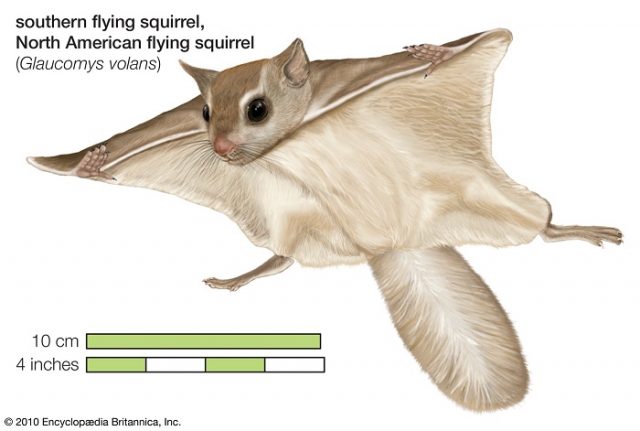
Despite the name, flying squirrels do not actually fly. They have a fold of skin between their front and back legs that allows them to glide between trees. Their long, flat tail steers them in flight like a rudder. Some can cover more than 150 feet in a single glide!
To donate to Blue Ridge Wildlife Center, click here.




ORDER OF PUBLICATION: In the Circuit Court for Warren County, Virginia

Business Growth Series: If You’re Burned Out, Your Business Shows It

Support Scott Lloyd in Warren GOP Leadership Vote

Mexican-Style Grilled Corn on the Cob Adds Bold Flavor to Summer Cookouts

This Week’s Showtimes at Royal Cinemas as of July 31st

Definition and Prohibition of Data Centers Recommended Unanimously at Special Town Planning Commission Meeting

Assistant F&R Chief Gerry Maiatico Responds to South Warren Citizen Concerns About Service Reduction

Virginia Launches New Unit Targeting Illegal Vapes and Intoxicants

Charity, Refugees & Our Constitution

How the 8th Congressional District Democratic Primary Reflects Party’s Shifting Identity and Priorities

Virginia’s Disability Services Gap Persists Despite Progress, Leaves Young Adults Vulnerable

Loudoun County, Other Virginia Localities Consider Hitting the Brakes on Data Center Development

Opposite Shores to Perform July 30 at Gazebo Gatherings

‘People Movers’ Out, More Parking In: Trump Announces $22.5B Washington Dulles Makeover

TSA Shares Passengers’ Personal Information With Immigration Enforcement, Documents Show

Obamacare Enrollment Declines in 49 States; Virginia Saw 8% Drop

Virginia Voters Could Gain a Bigger Voice in Choosing the 2028 Presidential Nominees

Virginia Education Department Seeks New Student Assessment Vendor

Pro-Data Center Industry Group Behind Ad Campaign in Oregon, Virginia, Five Other States

Grilled Beef Salad Makes a Fresh, Protein-Rich Summer Meal

Warren County Welcomes Nearly 50 New Teachers, Looks Ahead to New School Year

Naomi Ruth Davis Eaton (1934 – 2026)

Scott Edward “Scotty” Taylor (1971 – 2026)

Brown Water, Dust and Loud Noises: Louisa Homeowner Sues Amazon Over Data Center Construction
