
Interesting Things to Know
The ancient (and modern) art of embroidery
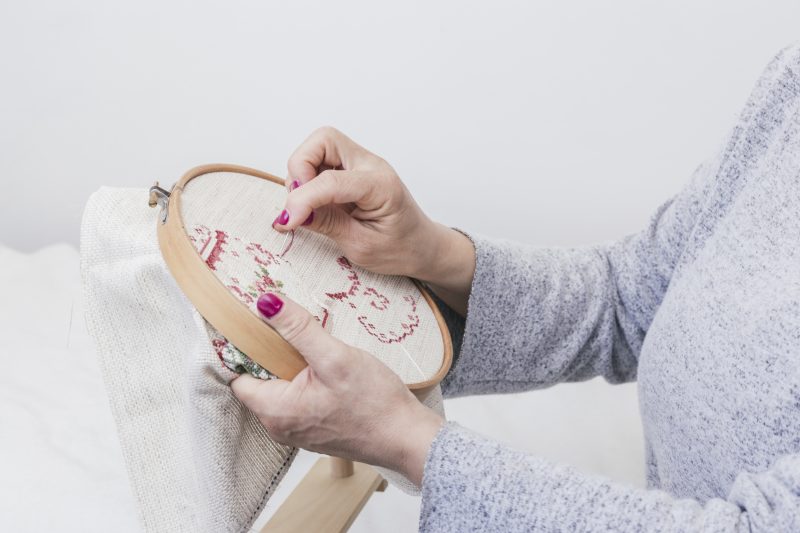
Philosophers have always debated what it truly means to be human, but perhaps one of the most fundamental truths is this: To be human is to decorate.
Even in the face of tremendous hardship, humans have always looked for beauty and tried to create some of their own.
So it makes sense that humans developed embroidery as soon as they learned how to weave fabric and that the practice of using needles and fibers to decorate clothing was universal across every ancient civilization. Archaeologists have uncovered the fossilized remains of heavily decorated clothing from the Upper Paleolithic period, roughly 30,000 to 40,000 years ago. Ancient Egyptian tomb paintings depict embroidered clothing and other textiles, and ancient Greek vases depict Persian soldiers dressed in quilted and embroidered armor. Some ancient embroidery still survives today, most famously the Bayeux Tapestry, a 70-meter-long masterpiece that depicts the Norman conquest of England. For many centuries in many cultures, embroidery was considered a required skill for girls in order to find suitable husbands.
|And even though a hand-embroidered tablecloth is no longer considered necessary for a modern woman to get married, the ancient tradition of embroidery continues and thrives today, and if you’re interested in joining the thousands of years of stitchers before you, it’s surprisingly cheap and easy to get started. You can pick up a beginner’s embroidery kit at any craft store or visit Etsy to choose from a huge array of fully-equipped kits with your choice of design. Look for pre-printed fabric and a smaller size — wait until you’re a little more experienced to attempt your own Bayeux Tapestry. Most beginner’s kits will include fabric, floss, and perhaps a few needles, but some may also offer a hoop or other accessories. If a hoop isn’t provided, you’ll need to get one of your own — make sure to choose a size that fits your project. You’ll also want to pick up a few extra needles, a small pair of embroidery scissors, a needle threader if you need the extra help and some plastic bags or a compartmented box to organize floss.

Stitching books are also useful, but the internet is also full of fantastic stitching resources, including video tutorials for even the most complicated stitches. However you tackle the project, with a little time and effort, you’ll take your place in history.




Mayor Lori Athey Cockrell Looks to Water, Economic Development and Rail Trail in Another Term

WCHS vs. Brentsville HS – Girls Volleyball – October 6, 2026

BMI Is Only One Piece of the Health Picture

The Eye Surgery Factory That Could Not Expand

Ancient Ownership of Israel

VDOT: Warren County Traffic Alert for October 5 – 9, 2026

Reaching Out Now Expands Programs and Opportunities for Warren County Youth

Dance and Arts VA Finds New Home, New Opportunities on Water Street

Ann L. Shuman (1933 – 2026)

Wendy Lee Whitacre-Stout (1966 – 2026)

Spanberger’s Energy Plan Keys in on Clean Energy to Meet Growing Demand and VCEA Goals

Jean Elizabeth Grubbs Fogle (1939 – 2026)

Feds Provide Guidance on New Federal K-12 Scholarship Tax Credit Program

Why Wait Till November? Mid-Term Election Early Voting Processes in Place Now

US Senate Leaves Nation’s Capital in Advance of Midterms With Much Still Undone

Business Growth Series: If You Don’t Control Your Day, It Controls Your Business

The End of a 20-Year Monopoly on the Credit Score
Voltron and Immigration

States OK Solar Panels for Balconies. Safety Guidelines Haven’t Caught Up

Trump TV Ads Paid for with $20M in Homeland Security Funds, Dems Find

Blue Ridge Wildlife Center Patient of the Week: Gray Treefrog

Birthday Twins: See Which Famous Face Shares Your Big Day

Meet-and-Greet Set Sunday for Republican-Endorsed Front Royal Candidates

Barbara Ann Mathews Smelser (1943 – 2026)
