
Local News
Blue Ridge Wildlife Center Patient of the Week: Chimney Swift
Renest is always best!
In the past few weeks, we have started taking more and more calls about Chimney Swift nestlings who have fallen out of their nests. Luckily, most have been successfully renested! Unfortunately it was not possible to renest these babies, so they were brought in for care.
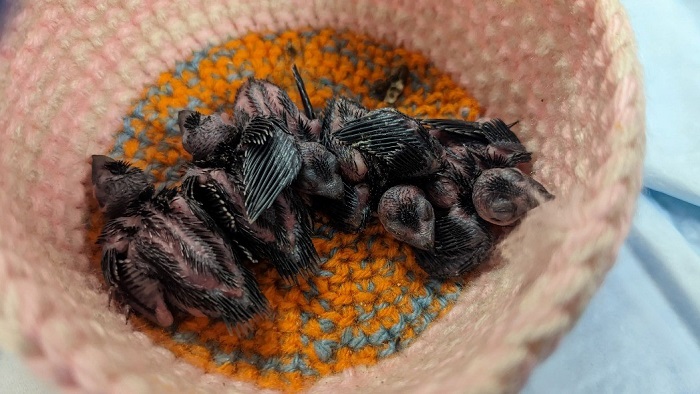
Photos / Blue Ridge Wildlife Center
Chimney Swifts are specialized insectivores that eat and drink on the wing (in flight). As their name implies, they typically roost and nest inside brick or masonry chimneys, though they occasionally find natural sites in hollow trees.
Most of the calls we take about these birds come when their stick-and-saliva nests break off from the inside of the chimney and the babies fall to the fireplace.

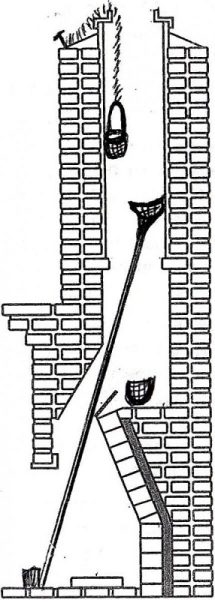
Renesting is a bit different in these species compared to most other birds we treat. A makeshift nest (we recommend a small, wicker-style basket) must be placed on the smoke shelf, above the damper, or lowered down into the chimney from the top with the rope secured externally. The nest can also be secured to a stick or broom handle and wedged up the chimney.
Once these guys start to grow feathers and open their eyes, reuniting can be as simple as placing the baby over the smoke shelf – they are amazing climbers and can get themselves back up to the nest. There is a high success rate in renesting these babies when these techniques are used!
Use this excellent renesting diagram from our friends at the Wildlife Center of Virginia to better visualize these techniques:

If you cannot stand the sound of Chimney Swifts (they are quite loud), consider capping your chimney once the fireplace is out of use in late winter/early spring.

These birds are in decline and need many of these roosting sites—if you have a brick/masonry chimney and don’t mind these residents, consider leaving it uncapped and cleaning your chimney regularly in early spring so that they have a good surface to build upon.
If you don’t have a chimney (or prefer to keep your chimney capped) but want to help this species, consider building a nesting tower.

Looking for an easy way to help native wildlife? Become a monthly BRWC donor! For as little as $5/month, you can provide year-round, sustainable support that helps us fulfill our mission.




Leisa Wood (1961 – 2026)

GO VOTE: Because Complaining Alone Isn’t a Good Strategy

The Third Most Important Gift Is Laughter

Skates, Treats and Safety: Warren County Sheriff’s Office Foundation Pack October with Community Events

Celebrate Kids Day Returns Sept. 27 With Family Fun, Activities and a New Train Ride

Survey Finds That More Than Half of Virginia Families With Children Face Food Insecurity

Could Virginia’s New Law Allowing 1% Sales Tax for School Construction Need a Fix?

Now They Want to Rein It In

From Oil Field to Gas Pump: What Really Determines What We Pay?

When Fields Flood: How Farmers Protect Crops and Plan for the Future

Draw Your Circles: A Map of the People Who Matter

A Heartfelt Farewell and Thank You
Data Centers Are Necessary. That Doesn’t Mean Warren County Needs One

Diesel Prices Shoot Upward as Top Farm-State GOP Senator Begs Trump for Export Embargo

From One Barrel of Oil: What Do We Actually Get?

CNN, MS Now, Politico Sue Trump Over White House Ban

Virginia-Made Marine Mattress Nominated for 2026 Manufacturing Cup

Virginia Works Plans October Job and Resource Fairs in Front Royal, Winchester

UVA Health Prince William Medical Center Earns Third Consecutive Magnet Recognition

Virginia Hunger Study Finds 37% of Blue Ridge Households Faced Food Insecurity

WCHS Volleyball Hosts Manassas Park on Sept. 22

ORDER OF PUBLICATION: In the Circuit Court for Warren County, Virginia

The Papers You Would Grab in Ten Minutes

Spanberger’s Carbon Tax Sets New Record, Could Add $1 Billion to Electricity Costs in One Year
