
Local News
Blue Ridge Wildlife Center Patient of the Week: Common Five-lined Skink
This small reptile has a clever way of staying alive.
Not all wildlife patients arrive with dramatic injuries. Some, like this Common Five-lined Skink, come in with conditions that are easy to overlook but can have serious consequences if left untreated.
This skink was admitted with retained shed, where sections of old skin fail to fully come off during the normal shedding process.
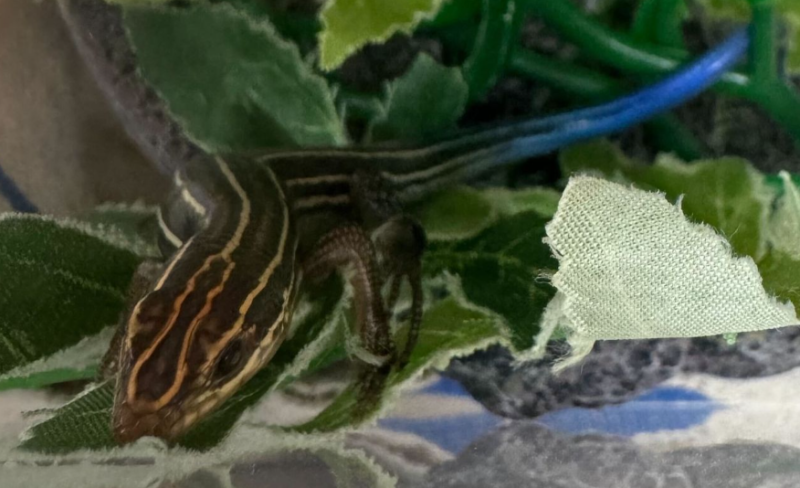
In reptiles, shedding is critical for maintaining healthy skin and allowing for growth. When shed is retained, it can tighten around the body, restrict circulation, and create openings for infection.
These cases are often tied to environmental conditions such as inadequate humidity, but can also be influenced by nutrition or underlying health concerns.

With supportive care and proper environmental conditions, this patient responded quickly. After a short stay, the retained shed resolved, and this skink is now on track for release back into the wild.
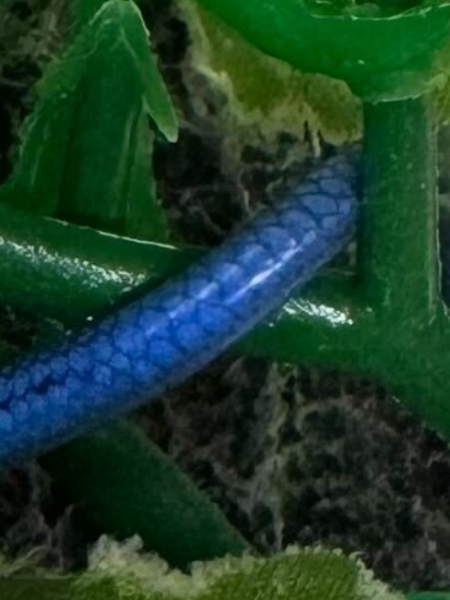
Juvenile Common Five-lined Skinks have bright, electric blue tails. This coloration plays a direct role in survival.

Predators are more likely to focus on the highly visible tail rather than the head or body, increasing the chances that the skink can escape!
That strategy works even better because skinks have the ability to drop their tails through a process called caudal autotomy.

When grabbed by a predator, the tail can detach at specific fracture points. The detached tail continues to move, drawing attention away while the skink escapes.
Over time, the tail will regrow, though it is usually shorter and structurally different than the original.
Skinks play an important role in maintaining balance in their ecosystems. As insect predators, they help control populations of beetles, spiders, and other invertebrates, while also serving as prey for a wide range of native species.
Cases like this are a reminder that even small shifts in habitat conditions can impact wildlife health!

Providing natural spaces with leaf litter, logs, and undisturbed ground cover helps support normal behaviors like shedding and gives species like skinks the conditions they need to thrive.
Looking for an easy way to help native wildlife? Become a monthly BRWC donor! For as little as $5/month, you can provide year-round, sustainable support that helps us fulfill our mission.




Barbara Ann Mathews Smelser (1943 – 2026)

Kathleen Frances Elar (1956 – 2026)

Happy Creek Crossing to Hold Vendor Interest Meeting Oct. 8 in Front Royal

If the Car Name Fits, Drive It

Front Royal Begins Smoke Testing Sewer System; Residents May See Smoke Around Homes

Trump Orders Federal Agencies to Replace ‘Artificial Intelligence’ With ‘Super Intelligence’

Town-Wide Weed Spraying Underway in Front Royal Through Oct. 6

Southbound I-81 Lane Closure Near Strasburg Expected to Cause Significant Weekend Delays

Virginia Democrats Warn More Healthcare Strains Loom After November Election

Legislation to Force Virginia Traffic Camera Fine Payments Will Make ‘Nightmarish’ Court Workloads

CDC’s Latest Youth Behavior Report Offers a Narrower Look at Teen Health

News Organizations Banned from White House Accuse Trump of First Amendment Violation

Virginia Education Board Approves New Rules for Local Student Assessments

FCC Halts Automatic Approval of Verizon Plan to End Legacy Landline Service in Virginia

Women in Agriculture Continue to Face Barriers as Their Role Grows

This Week’s Showtimes at Royal Cinemas as of October 1st

Surveillance, Outdoor Dining, and Other Community Concerns at Town Council Meeting

When Elected Officials Cross the Line

Trump Administration Revokes $810M Approved by Congress for Refugee Aid and More

The Signs Offer Quick Cash for Homes. But States Want More Oversight

This Drone Hunts Mosquitoes

William Morgan and the Anti-Mason Party

Luria and Kiggans Rematch in Virginia’s 2nd Congressional District Among Most-Watched Races In Nation

Youth Advocates Warn Higher Marijuana Fine Could Deepen Racial Disparities
