
Local News
Blue Ridge Wildlife Center Patient of the Week: Northern Raccoon
These masked bandits play an important role!
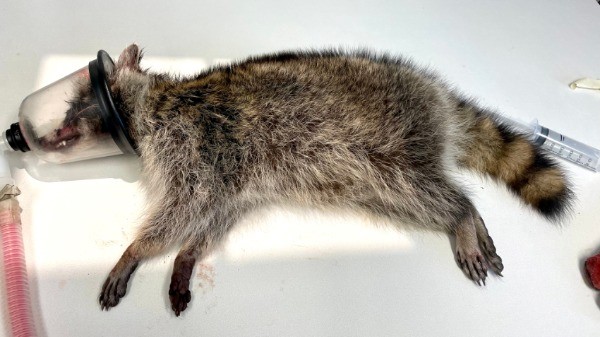
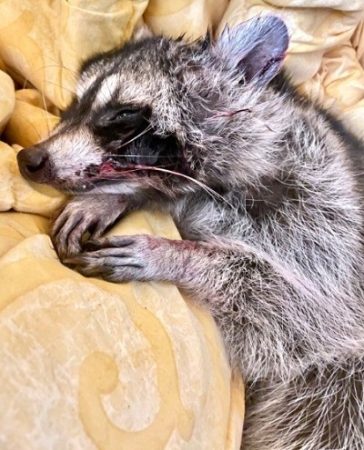
This adult raccoon came to the Center from Stafford County, VA after being found circling with blood on her face.
Photos / Blue Ridge Wildlife Center
On physical examination, this patient was exhibiting neurological signs consistent with head trauma from a vehicle collision, though we cannot rule out infectious diseases such as rabies or distemper.
In addition to head trauma, this raccoon suffered damage to her eye, leaving her with poor vision on the left side. Palpation and x-rays confirmed that there were no fractures and no significant internal bleeding.

If you ever find a raccoon (or any wild animal) that appears injured or sick, please call us before taking action. Far too often a person with the best intentions will feed, water, or handle a raccoon without the proper protection. Raccoons are considered a high-risk rabies vector species, meaning they are more likely than some other species to transmit the rabies virus to humans, though any mammal, including humans, can become infected with rabies, which is fatal. The only way to test for rabies is with brain tissue samples, which means the animal has to be euthanized, even if they are healthy. Keeping hands-off with wildlife could quite literally save their life!
Luckily this patient was contained properly, and with strong pain medications, this raccoon is looking, and surely feeling, much better. We hope to see the neurological signs improve over the next few days to weeks.
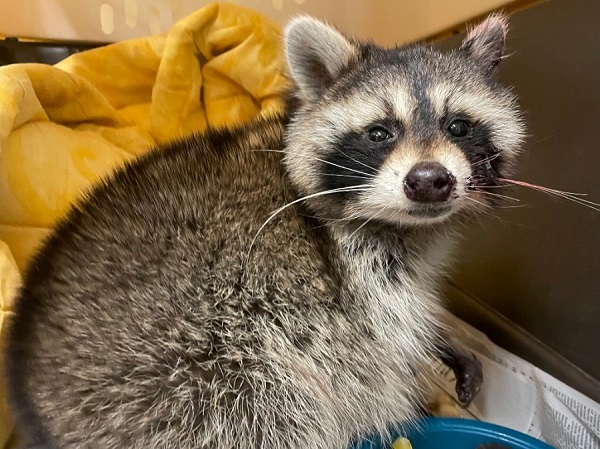
Though some people find raccoons to be a nuisance, they actually play an important role in the ecosystem!
They occasionally scavenge, which cleans up our environment, but they also help prey populations (such as insects and small mammals and other species many consider pests) from growing out of control.

When they do get into trouble with humans, it is often due to the human’s behavior. Please remember to secure your trash, patch up holes in attics & outbuildings, and make sure any animal enclosures (such as chicken coops) are secure.




Business Growth Series: If You Don’t Control Your Day, It Controls Your Business

The End of a 20-Year Monopoly on the Credit Score

Voltron and Immigration

States OK Solar Panels for Balconies. Safety Guidelines Haven’t Caught Up
Trump TV Ads Paid for with $20M in Homeland Security Funds, Dems Find

Blue Ridge Wildlife Center Patient of the Week: Gray Treefrog

Birthday Twins: See Which Famous Face Shares Your Big Day

Meet-and-Greet Set Sunday for Republican-Endorsed Front Royal Candidates

Barbara Ann Mathews Smelser (1943 – 2026)

Kathleen Frances Elar (1956 – 2026)

Happy Creek Crossing to Hold Vendor Interest Meeting Oct. 8 in Front Royal

If the Car Name Fits, Drive It

Front Royal Begins Smoke Testing Sewer System; Residents May See Smoke Around Homes

Trump Orders Federal Agencies to Replace ‘Artificial Intelligence’ With ‘Super Intelligence’

Town-Wide Weed Spraying Underway in Front Royal Through Oct. 6

Southbound I-81 Lane Closure Near Strasburg Expected to Cause Significant Weekend Delays

Virginia Democrats Warn More Healthcare Strains Loom After November Election

Legislation to Force Virginia Traffic Camera Fine Payments Will Make ‘Nightmarish’ Court Workloads

CDC’s Latest Youth Behavior Report Offers a Narrower Look at Teen Health

News Organizations Banned from White House Accuse Trump of First Amendment Violation

Virginia Education Board Approves New Rules for Local Student Assessments

FCC Halts Automatic Approval of Verizon Plan to End Legacy Landline Service in Virginia

Women in Agriculture Continue to Face Barriers as Their Role Grows

This Week’s Showtimes at Royal Cinemas as of October 1st
