
Local News
Local physician launches a bid to save a life
After a decade of medical service in Honduras, the story of one life on the brink
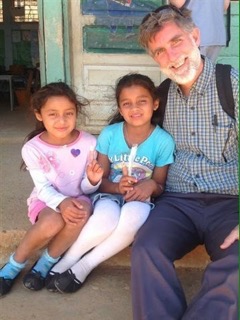
Dr. Tommy Ball with two school children in the Cedros community in the San Marcos District, Intibuca province of Honduras. COURTESY PHOTOS TOMMY BALL
It’s been more than a decade since Dr. Tommy Ball, M.D. of Front Royal Family Practice began flying to Honduras to provide free quality health care to the needy (mostly children) of that country. This year, in November, he led a team of 11 volunteers including Dr. Kirsten Wiitala, resident in training at the Family Practice, returning with a sad story about a young man named Henry.
Instead of writing about the SAGE/Shoulder to Shoulder program which, during each of three 10-day visits annually by medical people from Front Royal, Richmond and Fairfax County, I’m about to let Dr. Ball, who lives in Browntown with wife Christine Hartman, tell in his own words Henry’s story from the time he met the then 13-year-old in 2008.

That was the year Ball diagnosed the elementary school lad with aortic stenosis, a serious heart disease. Everything that could be done within mainly financial boundaries has been done so far for Henry, but it’s crunch time again – Henry needs a new heart valve and time is of the essence. If he doesn’t get one within two years, he may die before his 23rd birthday.
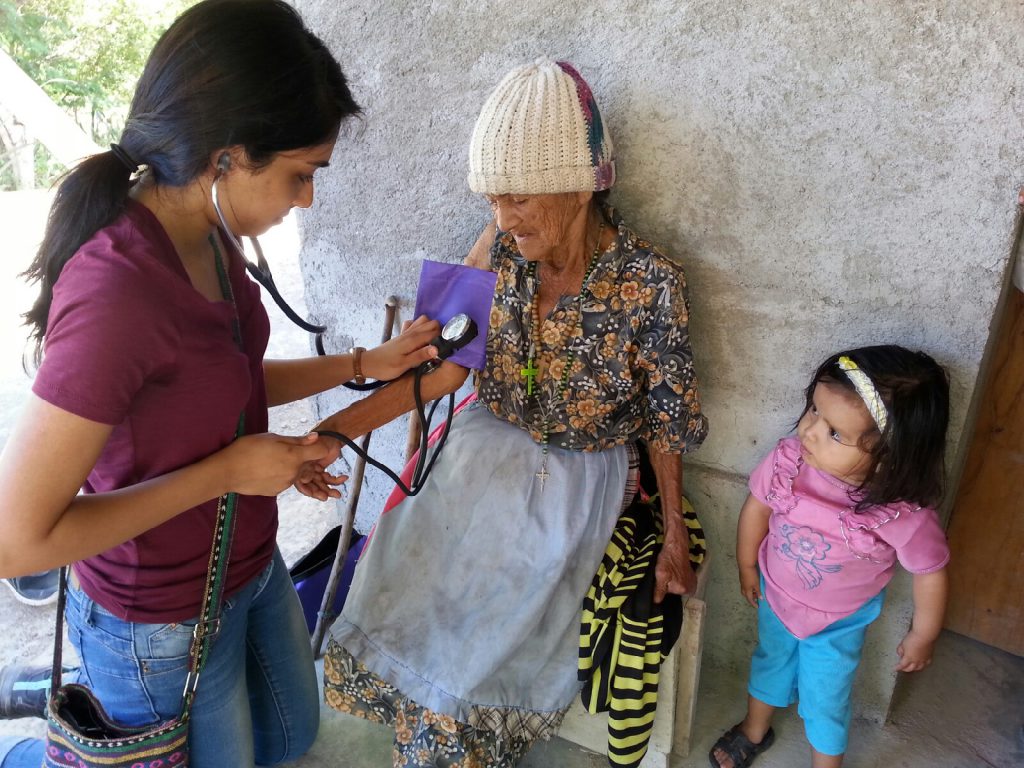
Medical student Sheila Kaypur examines a patient on a home visit in the community of La Majada.
We asked Dr. Ball for a photograph of Henry and got one from several years back. Henry is now a handsome young man of 21 who lives in the Honduran countryside and helps his parents on their small farm. The Royal Examiner is pleased to help in passing along Henry’s story via our new online newspaper. We might add that it is rare that a doctor becomes so emotionally involved in a patient, but obviously Dr. Ball feels this is a special case needing special attention.
“Henry Ballardo Lopez looked like just another elementary school kid when we, a medical brigade group, visited his school in 2008 in the mountains of rural Honduras,” Dr. Ball told me in a recent interview.

“When I put a stethoscope on his chest, however, I realized his pronounced heart murmur was different. Some questioning revealed that Henry struggled to keep up when playing with other kids. He often had to stop and rest … due to fatigue and shortness of breath. He was 13 at the time.
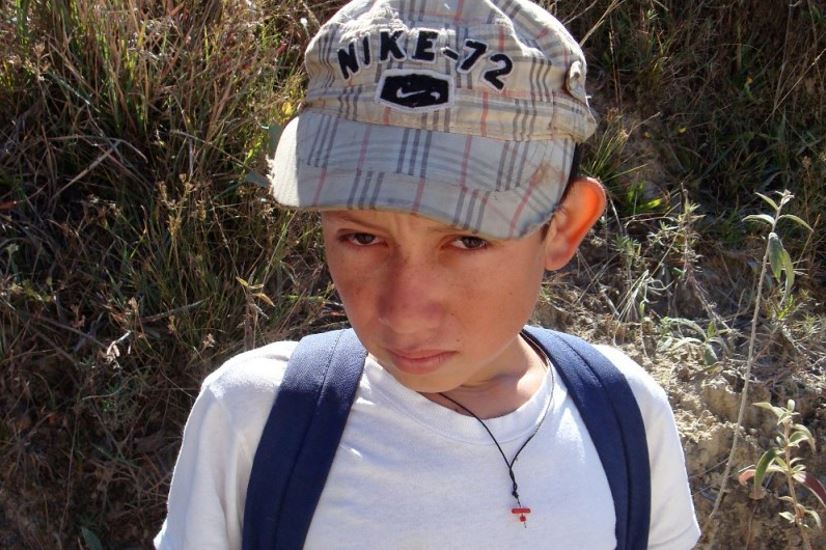
Henry when Dr. Ball first met him in 2008. He is now a 21-year-old helping his parents on their small farm despite his heart condition.
“Medical care is very limited (in rural Honduras) and no-one had ever noticed his heart murmur. (At that time) with the support of our ‘Shoulder to Shoulder’ team, we were able to connect Henry with a Honduran cardiologist who performed an echocardiogram.”
The EKG confirmed Dr. Ball’s earlier diagnosis of bicuspid aortic valve with early stenosis.

Dr. Ball continued: “Medications were able to help some. Henry has been able to live a good life thus far. He has grown into a fine young man…however, he is beginning to have more symptoms. He is more fatigued and short of breath…(further examinations) have determined that it is time to replace the heart valve…(but) there is no public hospital in Honduras for Henry to get a new heart valve.
“Now, we are looking internationally. We have so far raised $6,000 to help Henry with transportation and other costs. While that probably would have been enough (if the surgery could be performed in Honduras) we realize that it is nowhere near the costs in the United States or at a private hospital.
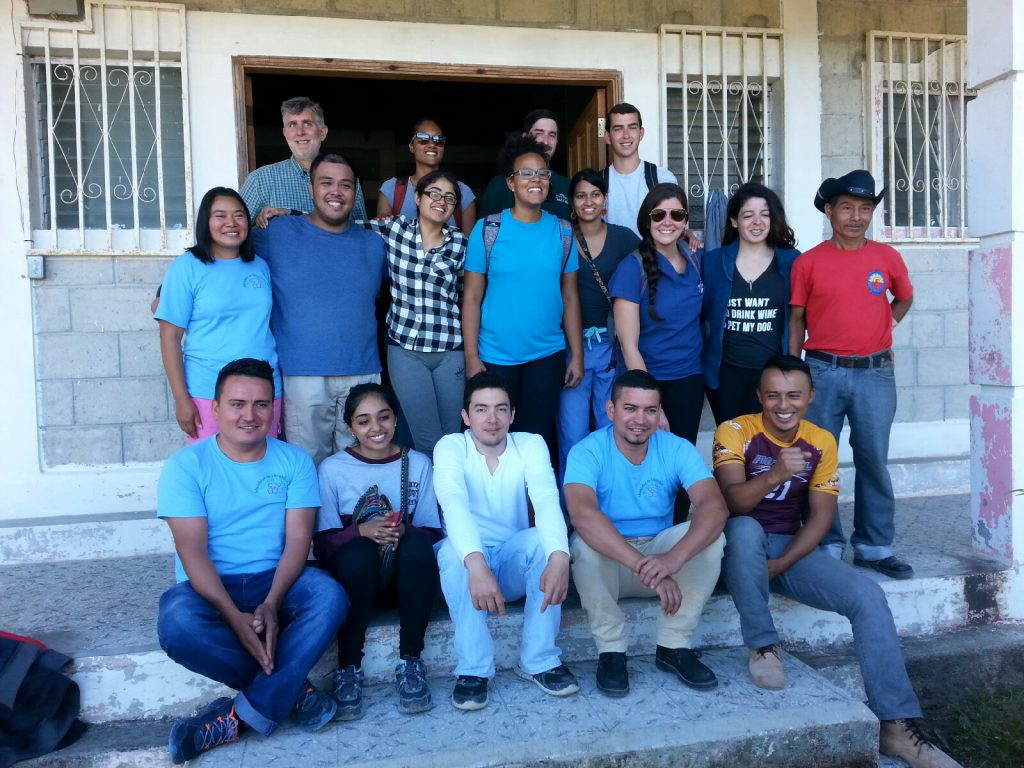
The Honduras SAGE team (Students And Global Community Engagement) at their clinic in Pinares.
“So now we are seeking a partner in the U.S. who may be able to provide the charity care that Henry now needs. But we need to act quickly. Our goal is a new valve by mid-2017.” (See below for contact information).

Meanwhile, Ball commented on another successful health visit to Honduras Nov. 3-12. and his team’s ability to provide medical examinations, vitamins and limited medications to the needy, a “bus man’s holiday,” he called it. Patients line up at a clinic and pay 50-cents per patient for treatment (average wage for subsistence farmers in rural Honduras is two dollars a day).
For the public to donate to the Henry fund, contact Dr. Ball at taball@valleyhealthlink.com
For a cardiothoracic surgery team to take on Henry’s case, contact sage-community.com
Author’s note: SAGE (Students And Global Community Engagement) has joined with “Shoulder to Shoulder”, sponsored locally by Valley Health of Winchester.





Virginia Health Committee Considers Mandating Licensed Nurses in Every School

After Obama-Era Chesapeake Bay Executive Order Rescinded, Environmental Groups Brace for Fallout

Federal Judge Strikes Down SNAP Deadline That Put Virginia at Risk of Added Costs

Children Activities by Samuels Public Library for the Month of October

$5,000 Match Challenge to Support Warren County Children on Give Like Dolly Day

October 23rd Set for Post-Discovery Motions Hearing in Bradley Treece Gunfire Incident With Neighbors

Virginia State Police Seize More Than $1 Million in Drugs During Weeklong Operations

Jolissa Steele Shifflett Mathews (1944 – 2026)

False Birth Control Claims are Proliferating, Survey Says

Business Growth Series: Your Work Environment Is Affecting Your Growth

Frog Hunting Offers Virginians a Different Kind of Outdoor Adventure

How the Tech Bros Shop for a House

County Supervisors Fill Vacant Planning Commission Seat, Look to Future on Processes and Capital Improvements

America 250: ‘I Only Regret That I Have but One Life to Lose for My Country’

Building Gas Plants More Important Than Dominion Sale, Data Center Politics

Home Inspectors Help Buyers and Sellers Understand a Property’s Condition

Bowling Together: Why Work Is More Than a Paycheck

This Week’s Showtimes at Royal Cinemas as of September 24th

POLICE: 7 Day FRPD Arrest Report 9/21/2026

Blue Ridge Wildlife Center Patient of the Week: Eastern Cottontail

UVA Health Review Examines Real-World Results of Incisionless Liver Tumor Treatment

Maximilian James Donora (1995 – 2026)

Dollars for Dolly Campaign Aims to Turn Small Gifts Into Big Community Impact

Clean Virginia: NextEra’s Utility Takeover Attempts, Alleged Political Moves Relevant to Merger Case
