
Local News
Blue Ridge Wildlife Center Patient of the Week: American Black Bear
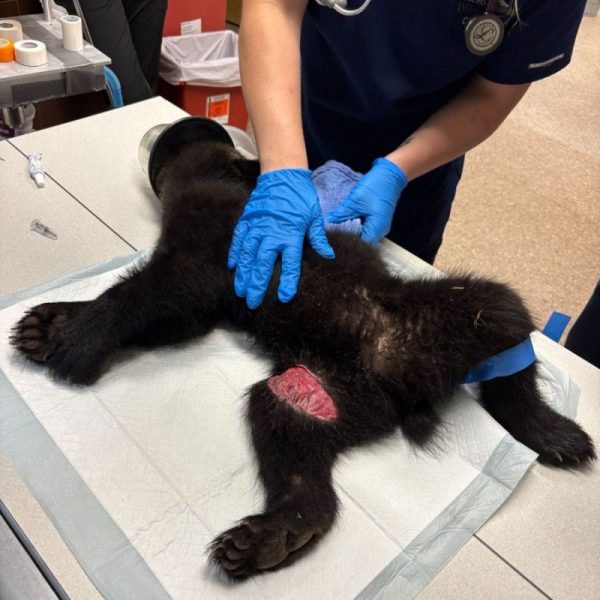
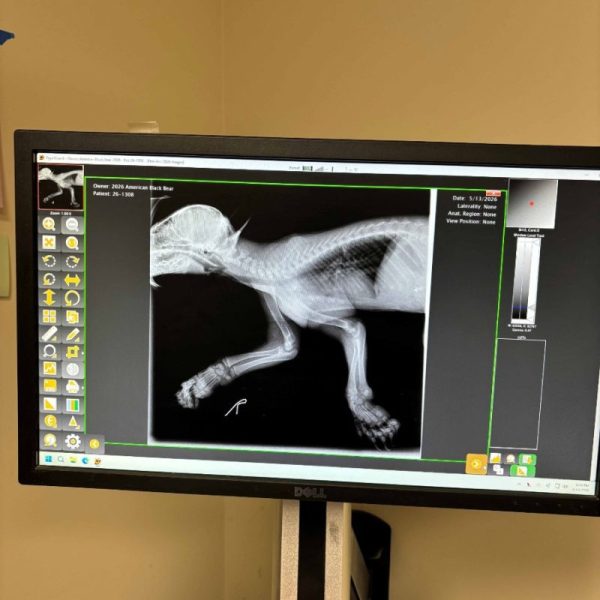
This young American Black Bear cub arrived at the Center last week after being found in Frederick County trapped in fencing. By the time she was rescued, the youngster was extremely weak and suffering from a significant wound to the inside of her right knee.
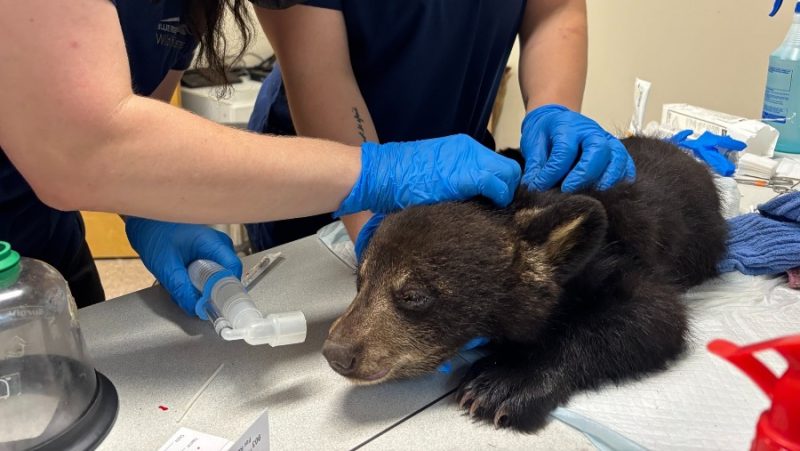
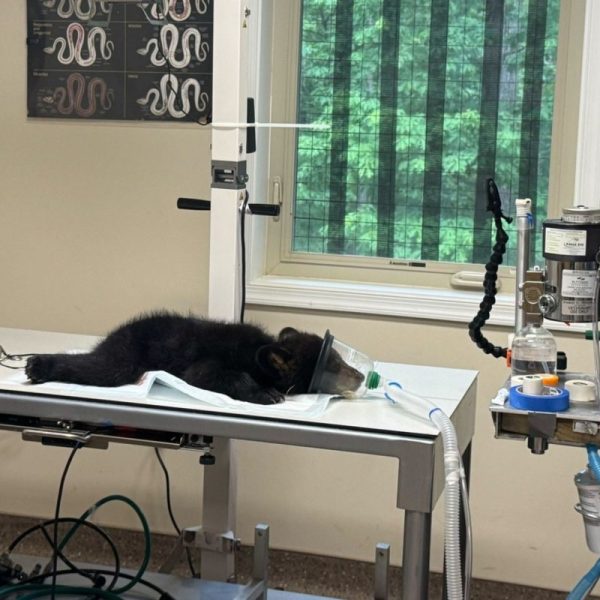
Our veterinary team immediately stabilized the cub, cleaned and treated the wound, started pain medications and antibiotics, and prepared her for transfer to the experts at Wildlife Center of Virginia (WCV) in Waynesboro, where she will continue her recovery.
In Virginia, black bears are considered a specially regulated species because of the significant public safety concerns and the complexity of properly rehabilitating them.
The Virginia Department of Wildlife Resources (DWR) only permits a very limited number of facilities to rehabilitate bears, and currently WCV is the primary facility in Virginia authorized and equipped to handle orphaned and injured bear cubs long-term.

WCV has specialized infrastructure and protocols that most wildlife centers, including BRWC, do not have. This includes:
- Large, secure bear-specific enclosures designed to safely contain growing cubs
- Staff specifically trained in bear behavior, handling, and chemical immobilization
- Coordination with DWR on release planning and monitoring
The state tightly restricts bear rehabilitation because improperly raised bears can become habituated to people, which creates serious risks both for humans and for the bears themselves.
A bear that loses its natural fear of people often cannot be safely released and may ultimately be euthanized.
Centers like ours are still allowed to provide emergency stabilization and short-term medical care when needed, especially if transport to WCV cannot happen immediately.

That initial care can be critical for injuries, dehydration, shock, or pain management before transfer.
Cases like this are also an important reminder of the risks certain types of fencing can pose to wildlife.
Loose mesh fencing, partially collapsed fencing, and unsecured netting can easily entangle animals ranging from snakes and birds to deer and bears. Regularly inspecting fencing and removing unused materials can help prevent these dangerous injuries.
If you encounter a bear in distress, it is important not to intervene without professional guidance.

Even young bears can be unpredictable and dangerous, especially when frightened or injured. If you are concerned about a bear, contact the Virginia Department of Wildlife Resources Wildlife Conflict Helpline, or Wildlife Center of Virginia directly if you find a cub in need of medical attention.
While we are grateful to have been able to provide this cub with initial medical care, we are equally grateful to know she is now headed to WCV, where she will receive the specialized care she needs for the best possible chance at returning to the wild.
Click here to see WCV’s update on this patient!
Looking for an easy way to help native wildlife? Become a monthly BRWC donor! For as little as $5/month, you can provide year-round, sustainable support that helps us fulfill our mission.





Barbara Ann Mathews Smelser (1943 – 2026)

Kathleen Frances Elar (1956 – 2026)

Happy Creek Crossing to Hold Vendor Interest Meeting Oct. 8 in Front Royal

If the Car Name Fits, Drive It

Front Royal Begins Smoke Testing Sewer System; Residents May See Smoke Around Homes

Trump Orders Federal Agencies to Replace ‘Artificial Intelligence’ With ‘Super Intelligence’

Town-Wide Weed Spraying Underway in Front Royal Through Oct. 6

Southbound I-81 Lane Closure Near Strasburg Expected to Cause Significant Weekend Delays

Virginia Democrats Warn More Healthcare Strains Loom After November Election

Legislation to Force Virginia Traffic Camera Fine Payments Will Make ‘Nightmarish’ Court Workloads

CDC’s Latest Youth Behavior Report Offers a Narrower Look at Teen Health

News Organizations Banned from White House Accuse Trump of First Amendment Violation

Virginia Education Board Approves New Rules for Local Student Assessments

FCC Halts Automatic Approval of Verizon Plan to End Legacy Landline Service in Virginia

Women in Agriculture Continue to Face Barriers as Their Role Grows

This Week’s Showtimes at Royal Cinemas as of October 1st

Surveillance, Outdoor Dining, and Other Community Concerns at Town Council Meeting

When Elected Officials Cross the Line

Trump Administration Revokes $810M Approved by Congress for Refugee Aid and More

The Signs Offer Quick Cash for Homes. But States Want More Oversight

This Drone Hunts Mosquitoes

William Morgan and the Anti-Mason Party

Luria and Kiggans Rematch in Virginia’s 2nd Congressional District Among Most-Watched Races In Nation

Youth Advocates Warn Higher Marijuana Fine Could Deepen Racial Disparities
