
Health
Understanding aphasia
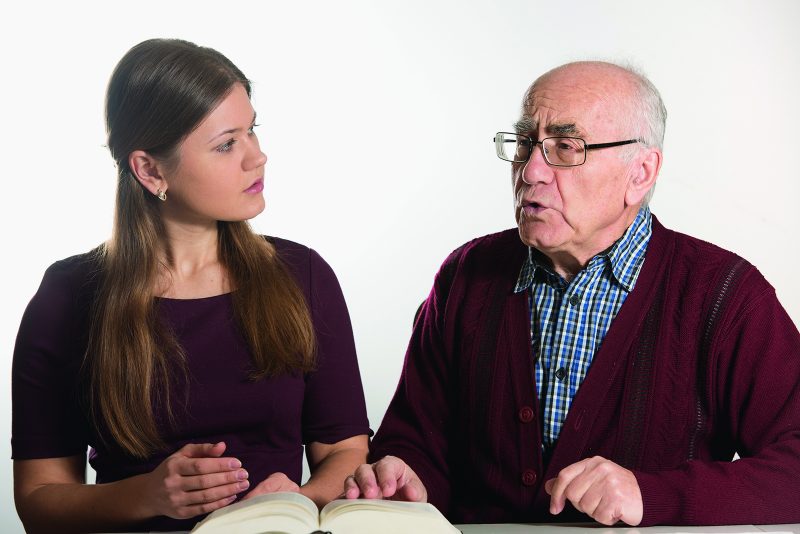
Aphasia is a disorder that affects verbal and written communication skills such as the ability to read, write, speak, listen, and understand speech. This impairment is caused by damage to one or more areas of the brain that control language, usually due to a stroke, brain tumor, dementia, or other neurological disorder. Aphasia can also be triggered by a head injury or infection.
While older adults are more susceptible, aphasia can affect people of all ages. Symptoms depend on the location and severity of the brain damage. Common variations of the disorder include:
- Global aphasia. This is the most severe type of aphasia, characterized by little or no ability to speak and understand spoken language. A person with global aphasia will also be unable to read and write.
- Wernicke’s aphasia. Also known as fluent aphasia, this type is characterized by long or disconnected sentences that include incorrect or nonsense words. A person with this form of the disorder will also struggle to comprehend speech.
- Broca’s aphasia. Also known as non-fluent aphasia, this variation of the disorder is characterized by limited vocabulary, short statements, and laborious speech. However, a person with Broca’s aphasia will often retain the ability to understand spoken language.
Speech-language therapy is often recommended for treating aphasia. Depending on the location and severity of the brain damage, patients may recover some or all of their communication skills over time. For more information about this disorder, visit the National Aphasia Association website at aphasia.org.




Patricia Ann “Patty” Vaught Brown (1961 – 2026)

Warren County Fire and Rescue to Kick Off Fire Prevention Week Oct. 4

Literacy Volunteers Students Earn Publication in Statewide Magazine

Virginia Transportation Board Schedules Fall Meetings, Including Stops in Weyers Cave and Culpeper

VDOT: Warren County Traffic Alert for September 14 – 18, 2026

Shenandoah River State Park Packs September With Fishing, Night Hikes, Pawpaws and More

How 9/11 Changed the Way America Surveils Its Citizens

Virginia General Fund Revenues Up 5.4% Through August

Virginia State Police Report More Than $580,000 in Drug Seizures During Weeklong Operations

The Night British-Held New York Burned

Spanberger Marks 25th Anniversary of 9/11 at Arlington Fire Station

Frustrations, Remorse and Pain Surface on 25th Anniversary of Sept. 11 Attacks

Twenty-Five Years After the Towers Fell
9/11: Honoring Our First Responders and Remembering the Role of Our Teachers

How the US House Could Overturn the Midterm Election Results

Front Royal Marks 25 Years Since 9/11 With Remembrance at the Gazebo

Beth Macy Discusses Sixth District Campaign, Health Care, Farming and Data Centers

Neurofeedback Specialist to Offer Free Community Program at Samuels Public Library

Warren County Wildcats Host Strasburg Under Friday Night Lights – September 11

Seeing, Listening and Supporting Our Seniors
Virginia’s 6th District Deserves Better Representation

David James “Dave” Lyons (1972 – 2026)

Two Killed in Fiery I-81 Crash Near Exit 310 in Frederick County

Business Growth Series: If You’re Not Listening, You’re Losing Customers
