
Punditry & Prose
Broken Heart Syndrome. Real or myth?
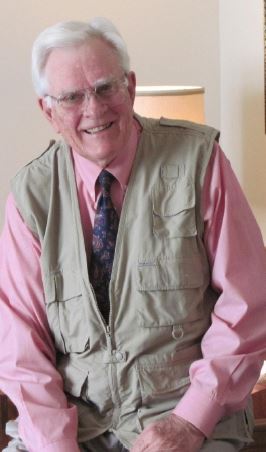
Article by Larry W. Johnson
“She died of a broken heart.” I can hear my grandmother, Mrs. Nolie Johnson, of Coats, North Carolina, saying that. Though she was a perceptive woman, it seemed to me at the time simply an expression. As a college student questioning everything and everybody I though that “logically” that didn’t make sense.
I knew from reading the classics and history that there were times the cause of death was attributed to a broken heart, but until I heard my grandmother, who I called “Mama Johnson,” say that, I didn’t think much about it. And even then I passed it off as an empathetic statement from a loving, but simple country woman.
But all these years later I’m brought up short. The Mayo Clinic Health Letter has an article that totally supports Nolie Johnson’s theory of “dying of a broken heart.”
Called a “stress-induced cardiomyopathy or apical ballooning syndrome,” it mimics a heart attack. In response to some severe emotional happening, the left ventricle, the heart’s main pumping chamber, is temporarily weakened. The heart is under attack. Stress causes our bodies to release hormones that may be responsible.
“There is no specific therapy for the broken heart syndrome,” says the Mayo newsletter writer. It can require hospitalization. But medications are given, like ACE inhibitors, beta blockers or diuretics to reduce the heart’s workload. If treated successfully, Mayo says, it passes in about four weeks.
So never underestimate or ridicule the pain of another who has a broken heart, whatever the reason.
Nolie Johnson would recognize the symptoms immediately, and she would recommend coming to Jesus and giving Him your burdens.
But sometimes we need someone to help us walk through that process of letting our burdens rest with God.
If you are struggling with the death of a loved one, a broken relationship, a job loss or anything else that is breaking your heart, remember that Jesus lives to take our burdens.
And you might find it helpful to schedule a counseling appointment with Miss Nolie’s grandson, who has learned a lot since those college days when he thought his grandmother was just a simple country woman.
What you can do for a friend whose heart is broken. Assure them that you care and acknowledge there is loss. It is real, you will tell them. It is natural to grieve if a loved one
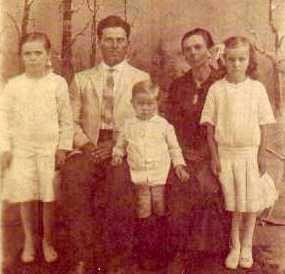
Mrs. J.L. Johnson is fourth from the left. Known to all her friends as simply “Miss Nolie.” She had love for all who were “broken hearted.” Now science confirms what she knew all along. Picture dated 1915.
has died. If the person has been abandoned, offer your presence and your time if he or she will permit that. Don’t belittle the person or expect them to quickly rebound. Don’t express your opinion that what they are hurt over is not so bad as they might think. This may be true but what is needed most is understanding. As time passes encourage new things. Be patient. Encourage prayer. If things don’t improve, suggest seeing a counselor, a physician, or a pastor. If your friend is suicidal or has suicidal ideations, take it seriously and get help right away. If you are in this kind of situation with a friend or loved one and are worried, you might find a talk with a counselor helpful as well, for yourself and for suggestions on helping your friend.
Some of the Symptoms of Major Depression
- Feeling sad, empty, tearful.
- Diminished interest in pleasure in almost all activities.
- Weight loss. Or major weight gain.
- Insomnia or hypersomnia nearly every day/night.
- Fatigue or loss of energy.
- Feeling worthless and guilty without cause.
- Diminished ability to think or concentrate; being indecisive.
- Recurring thought of death, not just fear of dying but with ideations without a plan.
If any of the symptoms of depression are affecting someone you know and love, or especially if talk of suicide has occurred, help is available. We encourage finding help fast.
If suicide seems imminent call 911.

Skyline High School Celebrates the Class of 2026

L. Allen Neal Says Smart Growth and Town-County Cooperation Are Key to Front Royal’s Future

Supreme Court of Virginia Strikes Down Redistricting Amendment, Keeps Current Maps In Place

Business Growth Series: Where Are People Seeing Your Business Right Now?

Shenandoah River State Park Announces Junior Ranger Camp Dates

Public Health Officials Warn of Rise in Measles, as Virginia Hantavirus Patient Under Monitor

Warren Coalition Brings Back ‘Let’s Get Cheesy’ for a Night of Food, Laughter and Community Support

Save the Date: Wild Night at the Museum

Nadene Joyce Thomas Murphy (1941 – 2026)

Virginia Hemp Growers Worry About the Future of Their Industry Amid State and Federal Shifts

Gov. Spanberger Signs Wetlands, PFAS and Flooding Bills

Brian Ruffner (1969 – 2026)

County Approves Adjusted Riverbend Farm Campground Proposal in Panhandle Road Area, Considers Staffing Issues

In Favor of Permeable Surface, Town Planning Commission Advances Reduction of Divisibility Per Lot

New Market Battlefield to Mark 162nd Anniversary of Civil War Battle

‘Killing Our Vote’: GOP States Rush to Break Up Black Districts After US Supreme Court Case

Warren County High School Celebrates the Class of 2026

Warren County Addresses Chester Gap Emergency Services Response Coverage Changes Effective July 1st

Warren County High School Awards Over $750,000 in Scholarships to Class of 2026 at Academic Honors Night

Paul Anka to Perform at Shenandoah University on Aug. 15

VDOT Releases Statewide Plan to Expand Multiuse Trails Across Virginia

Warren County DSS to Host Community Resource Fair at Samuels Library

Blue Ridge Wildlife Center Patient of the Week: Common Five-lined Skink

Trump Proclaims May as National Physical Fitness and Sports Month
