
Interesting Things to Know
Cultures Around the World Mark the Spring Equinox With Unique Traditions
Each year, the arrival of spring is marked by the vernal equinox, the moment when day and night are nearly equal in length around the world. This year, the spring equinox occurs on March 20 at 10:46 a.m., signaling the official start of spring in the Northern Hemisphere.
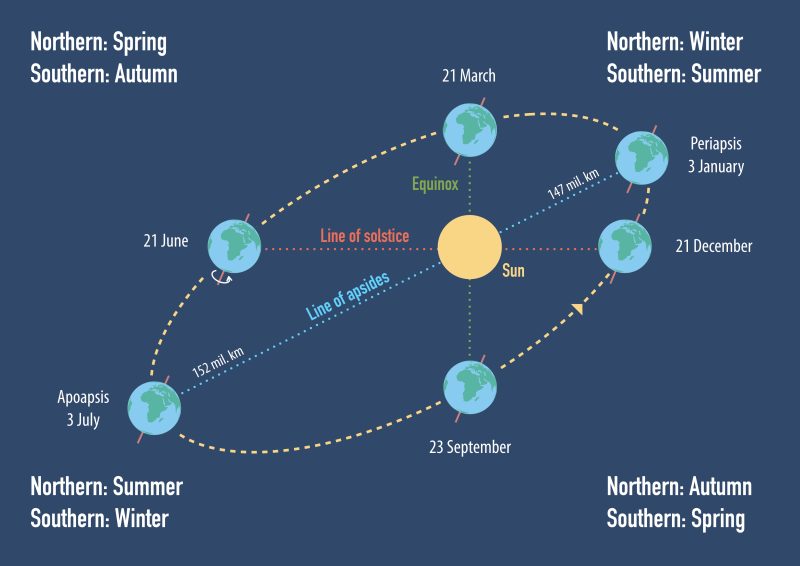
While many people simply welcome warmer weather and longer days, cultures around the globe celebrate the equinox with traditions ranging from fiery festivals to ancient architectural spectacles.
One of the most dramatic celebrations takes place in Zurich, Switzerland, where locals symbolically chase away winter by burning a figure known as the Boogg. The tradition dates back to the Middle Ages. The Boogg, whose name roughly translates to “bogeyman,” is typically built as an 11-foot-tall snowman-like effigy and placed atop a large bonfire.
As crowds gather, the effigy is set ablaze. The climax arrives when flames reach the Boogg’s head, which is packed with firecrackers. When it finally explodes, spectators cheer as the fiery display signals the end of winter and the arrival of spring.

Thousands of miles away in Mexico’s Yucatán Peninsula, the spring equinox draws visitors to the ancient Mayan city of Chichén Itzá. At the site’s famous pyramid, El Castillo, the setting sun creates a remarkable illusion tied to Mayan astronomy and architecture.
As the sun lowers in the sky, shadows form along the pyramid’s northern staircase, appearing like a serpent slithering down the steps toward a stone snake head at the base. The effect honors Kukulkan, the feathered serpent deity worshiped by the Maya, and symbolizes the return of life and the beginning of the planting season.
In Japan, the equinox is marked by a quieter but deeply meaningful observance known as Shunbun no Hi, or Vernal Equinox Day. The holiday falls during the Haru no Higan, a seven-day period when families remember and honor their ancestors.
During this time, many Japanese families visit gravesites, clean the burial areas, and leave offerings such as flowers, incense, and sweet rice balls as symbolic nourishment for departed loved ones. The observance reflects the belief that the equinox, when day and night are balanced, symbolizes harmony between the physical and spiritual worlds.

Shunbun no Hi also coincides with another beloved sign of the season: the start of cherry blossom blooms, when Japan’s famous sakura trees begin to flower.
From burning winter effigies in Europe to ancient solar displays in Central America and quiet family rituals in Japan, the spring equinox has inspired traditions for centuries. Though the customs differ widely, they share a common theme: celebrating renewal, balance, and the long-awaited arrival of spring.




Front Royal Women’s Resource Center Opens 2027 Dare to Dream Grant Applications

Warner, Mizusawa Outline Competing Approaches to Disability Policy

Fable Greenhouse and Gardens Breathes New Life into Former Horton’s Nursery

Louise Virginia “Mom” Messer (1936 – 2026)

Business Growth Series: Doing Everything Yourself Is Slowing You Down

The Mystery of the Purple Seal

Front Royal Outdoors Founder Don Roberts Named 2026 Protector of the Shenandoah

Front Royal Man Held Without Bond Following Child Sexual Abuse Material Investigation

Performing Arts Center Pointing to 2027 Opening as Local Entertainment, Business, and Educational Partner

Town Planning Commission Continues to Prepare for the Arrival of Cannabis on the Local Market

Warren County Schools Improve, But Federal Rules Lower Seven Ratings

Spanberger Announces $1.3 Million in Scholarships and Incentives for Nursing Students

The First Long-Distance Phone Call Came With Receipts

Middletown Man Killed In I-81 Crash In Frederick County

Cline Backs Veteran Cancer Screening Effort, Highlights Sixth District Programs

Sheriff Cline Details Flock Safeguards, Uses and Limits at Warren County Work Session

Flock Safety: A Tool for the Common Good

Melissa Ichiuji Studio Gallery Reopens With Two Fall Exhibitions

Just Hours Away: Festival Of Leaves Returns To Downtown Front Royal Saturday

Sheriff’s Office Addresses Use of ‘ALPR’ Cameras – Health Insurance, 4-H Week, and Parks & Rec Events Also Presented

Before Relying on a Model, Look at the Assumptions

The Question Is Not Which Apple Tastes Best

Brian Anthony Lamb (1980 – 2026)

Mary Brinham Walton (nee Arnold) (1947 – 2026)
