
Local News
Blue Ridge Wildlife Center Patient of the Week: Bald Eagle
This juvenile Bald Eagle was released on Wednesday in Stafford County after nearly a month in care!
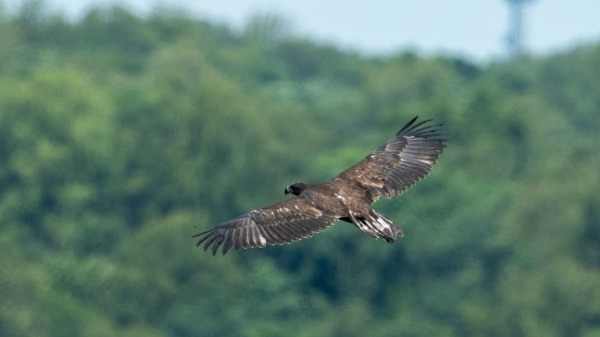
In May, we received two juvenile Bald Eagles after a severe storm left them grounded, soaked, and unable to return to their nest. Although they were reported from two different addresses, the locations were only a few hundred feet apart. Given their age and proximity, it is very likely they were siblings.
Despite their impressive size, both of these eagles were juveniles and born earlier this year. Bald Eagles do not earn their famous white head and tail until they are around 4 to 5 years old. Until then, they sport a patchwork of brown and white feathers, making them look very different from the adults most people recognize.
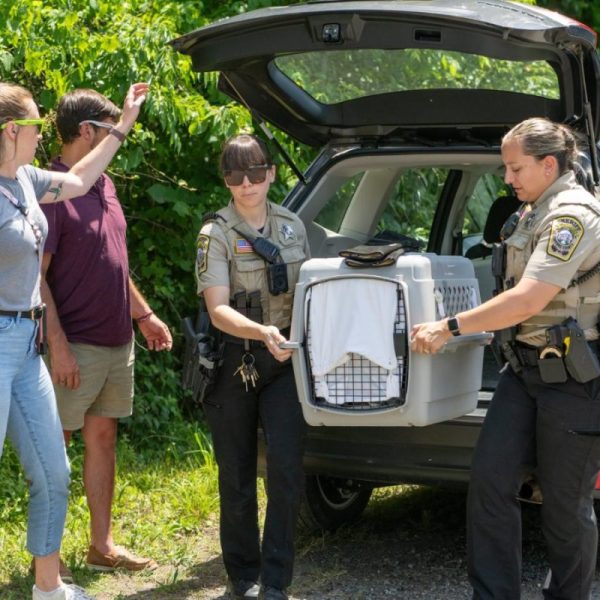
The first eagle was simply wet, cold, and exhausted. After a short stay to dry out and recondition its feathers, that bird was returned home.

This eagle’s injuries were more serious.
On examination, we discovered a fractured keel, the avian equivalent of a sternum.
Fortunately, the fracture was well-aligned and stabilized by the surrounding muscle, allowing it to heal without surgical intervention.
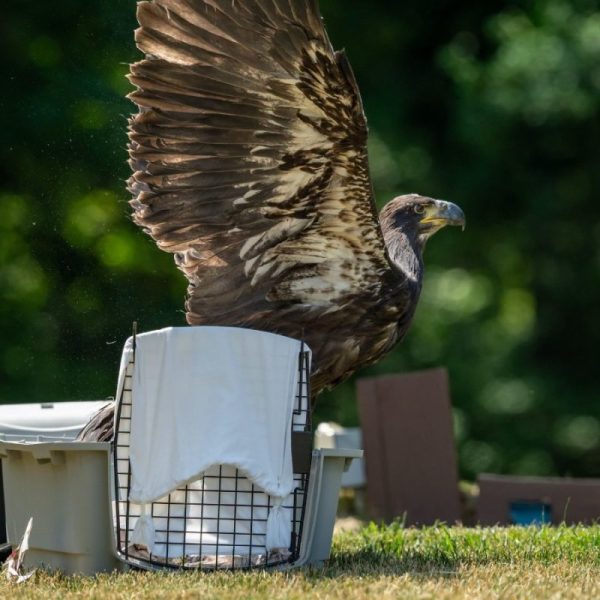
After several weeks of cage rest, pain management, and carefully monitored flight conditioning, this young eagle was cleared for release.

We are incredibly grateful to the animal control officers of the Office of Stafford County Sheriff – David “DP” Decatur, Sheriff, as well as our dedicated volunteer transporters, for helping get this eagle and so many other wildlife patients safely to our hospital and back home again.
Bald Eagles are one of America’s greatest conservation success stories. The widespread use of DDT nearly drove them to extinction by causing eggshells to become so thin that they broke during incubation. After DDT was banned in 1972, eagle populations slowly recovered, and the species was removed from the federal endangered and threatened species list in 2007.
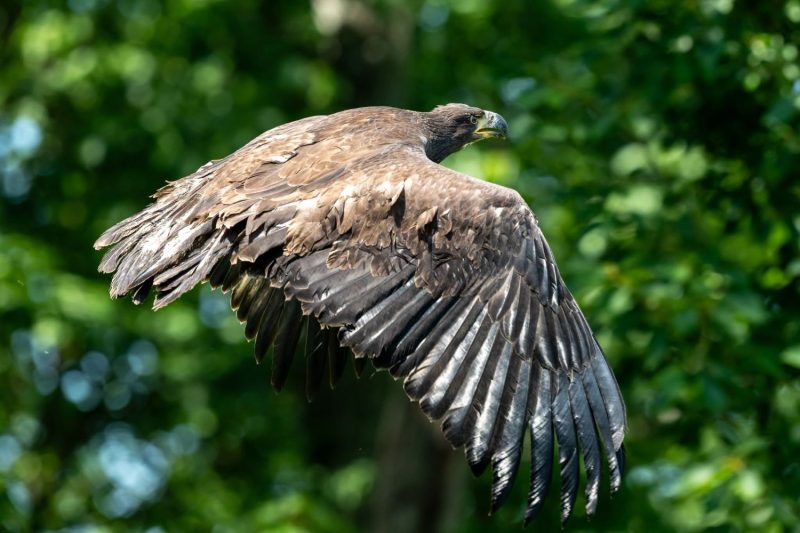
While Bald Eagles are doing well in our region today, human-caused threats remain. More than 90% of the Bald Eagles admitted to our hospital have elevated blood lead levels.
Watch the full release video here.

In fact, another adult Bald Eagle from Stafford County was admitted the day after this juvenile arrived and died within 24 hours from severe lead poisoning.
Lead poisoning affects more than just the individual bird. Adult eagles suffering from lead toxicity are often unable to hunt and provide food for their young, putting entire families at risk.
One of the most impactful ways you can help protect our national bird is by switching to non-lead ammunition and non-lead fishing tackle.
Looking for an easy way to help native wildlife? Become a monthly BRWC donor! For as little as $5/month, you can provide year-round, sustainable support that helps us fulfill our mission.





Agritourism Summit Brings Farmers, Tourism Leaders and State Officials Together in Frederick County

Terry Wayne Foster (1962 – 2026)

Cottonwood Ranch Hosts Saturday Social With Live Music, Wine and Local Food

Business Growth Series: Why Simple Businesses Grow Faster

As Student Well-Being Concerns Grow, Virginia Advocates Push for Stricter School Tech Guidelines

With Six West Nile Cases Reported Statewide, Infected Mosquitos Are on the Rise in Virginia Beach

Commentary: A Pesticide-Free Farm Can Have Worse Soil Than One Sprayed With Roundup

Warren County Sheriff’s Office Foundation Expands Community Programs, Plans Fall Events

New Proposal from Grid Operator PJM Would Require Data Centers to Gring Their Own Power

Apple Wallet Adds Driver’s Licenses and IDs for Virginia Residents

Samuels Library Sets September Lineup With SamiCon, Community Programs and Family Activities

Virginia to Receive $353 Million in Landmark Meta Child-Safety Settlement

Trump’s Second-Term Immigration Agenda Extends Beyond Border Enforcement

Reverend Michael Duesterhaus (1965 – 2026)

Groovy for a Good Cause: Vintage Fashion Show Supports Bridge of Hope

Why More Robots Can Mean More Workplace Injuries

American Legion Post 53 Builds New Pavilion for Veterans and Community

Missing Bricks Led to Discovery of Structural Concerns at E. Wilson Morrison

Spanberger Orders State Agencies to Prepare for Medicaid, SNAP Changes

Amazon Changes Course on Water Use for King George Data Center Campus

Tree Stewards Prepare for 30th Anniversary While Offering Community Tree Care Class

Challenges and Future Uncertainties

Our Young People Are a Reflection of Our Community

America 250: The Battle of Long Island
