
Business
How corporate culture, work-styles have changed
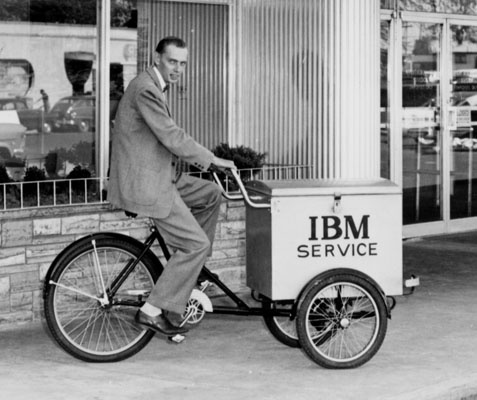 In May, IBM began calling its remote workers back to regional offices in a reversal of the dramatic changes the company has made in the last 10 years.
Famous for nearly a century for its conservative dress code and standards, IBM once expected its largely male workforce to wear pin-striped suits, white button-down shirts, ties and wing tips. And, indeed, in 1918, according to the IBM Archives, the all-male workers were dressed identically, sporting even the same haircut. They couldn’t drink or smoke, according to USA Today.
By 1953, the sales force sported different colored double-breasted suits and hats were evidently not mandatory. By 1978, hair was longer and ties wider but the required suit remained.
However, in the 1990s, Big Blue caught up with office fashion. Workplace casual was acceptable for men and women. While women were previously pictured as wearing only low-key skirts and sweaters, by the 1990s, they, too, were wearing pants.
Clothing wasn’t the only thing to change. In the 1990s, according to the Harvard Business Review, IBM had dropped the requirement to ‘badge in’ for work. Ironically, though this was considered old-fashioned then, higher security now does require identification.
In one way, IBM set the tone for future work way back in the 1930s. The company encouraged team sports, like baseball teams. It created a company song book, company newsletter and, in 1936 founded a symphony. Ordinary workers received insurance, lunched in company cafeterias, and had paid vacations.
Note that all these perks were mainly group perks. In 2017, companies like Google and Facebook, founded by young people, began to offer individualized perks: eggs to nap in, exercise, child care, laundry service, and yoga.
While modern corporations still believe in remote workers, some, like Apple and Google, have built headquarters geared to their young workforce. Apple’s spaceship and Google’s Googleplex have become work destinations, not just the office.




Business Growth Series: If You’re Burned Out, Your Business Shows It

Support Scott Lloyd in Warren GOP Leadership Vote

Mexican-Style Grilled Corn on the Cob Adds Bold Flavor to Summer Cookouts

This Week’s Showtimes at Royal Cinemas as of July 31st

Definition and Prohibition of Data Centers Recommended Unanimously at Special Town Planning Commission Meeting

Assistant F&R Chief Gerry Maiatico Responds to South Warren Citizen Concerns About Service Reduction

Virginia Launches New Unit Targeting Illegal Vapes and Intoxicants

Charity, Refugees & Our Constitution

How the 8th Congressional District Democratic Primary Reflects Party’s Shifting Identity and Priorities

Virginia’s Disability Services Gap Persists Despite Progress, Leaves Young Adults Vulnerable

Loudoun County, Other Virginia Localities Consider Hitting the Brakes on Data Center Development

Opposite Shores to Perform July 30 at Gazebo Gatherings

‘People Movers’ Out, More Parking In: Trump Announces $22.5B Washington Dulles Makeover

TSA Shares Passengers’ Personal Information With Immigration Enforcement, Documents Show

Obamacare Enrollment Declines in 49 States; Virginia Saw 8% Drop

Virginia Voters Could Gain a Bigger Voice in Choosing the 2028 Presidential Nominees

Virginia Education Department Seeks New Student Assessment Vendor

Pro-Data Center Industry Group Behind Ad Campaign in Oregon, Virginia, Five Other States

Grilled Beef Salad Makes a Fresh, Protein-Rich Summer Meal

Warren County Welcomes Nearly 50 New Teachers, Looks Ahead to New School Year

Naomi Ruth Davis Eaton (1934 – 2026)

Scott Edward “Scotty” Taylor (1971 – 2026)

Brown Water, Dust and Loud Noises: Louisa Homeowner Sues Amazon Over Data Center Construction

Does Extreme Heat Cause Train Derailments? A Virginia Railroad Expert Weighs In
